
Last updated September 23, 2026
Free visual inspection and a written scope of work before any mitigation begins - photos, moisture readings, and drying logs go in your claim file
The scope we write is the scope we bill. Anything new gets shown to you, in writing, before we touch it.
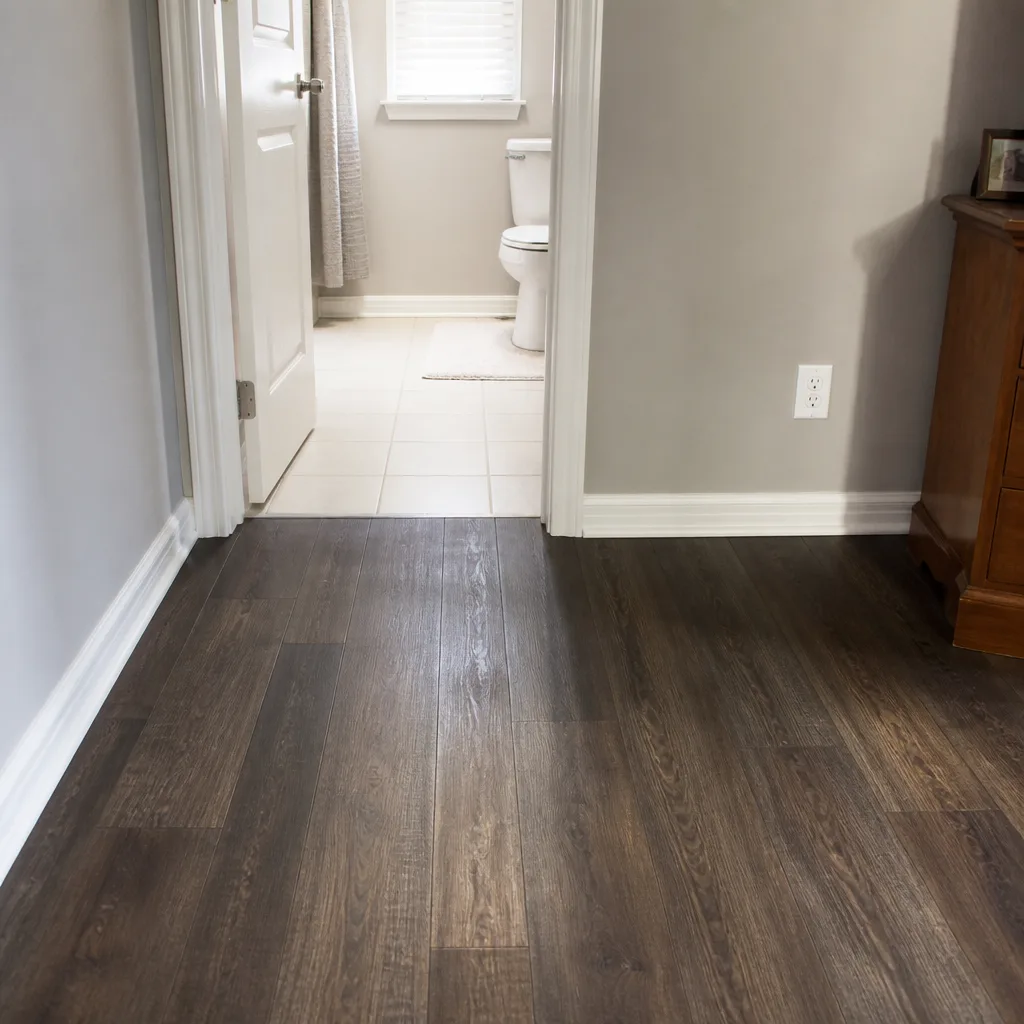

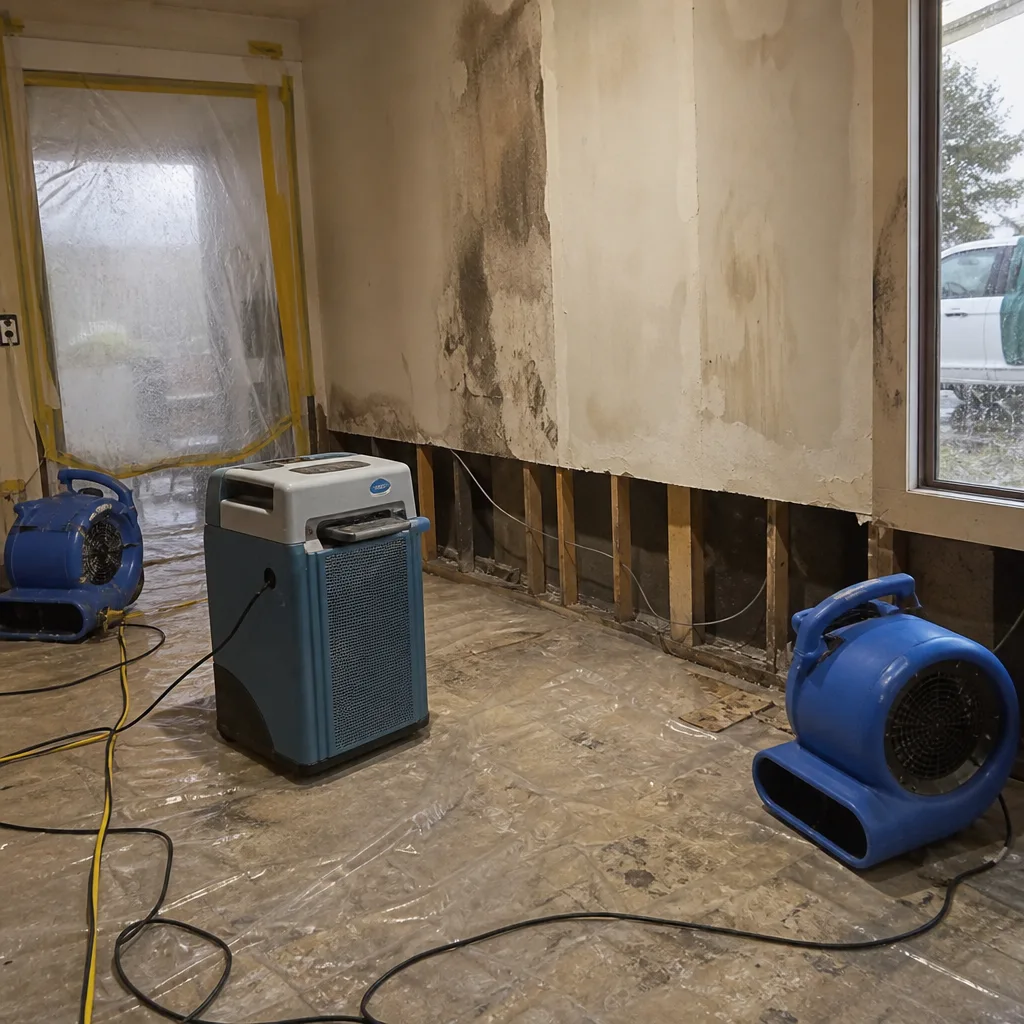 Before
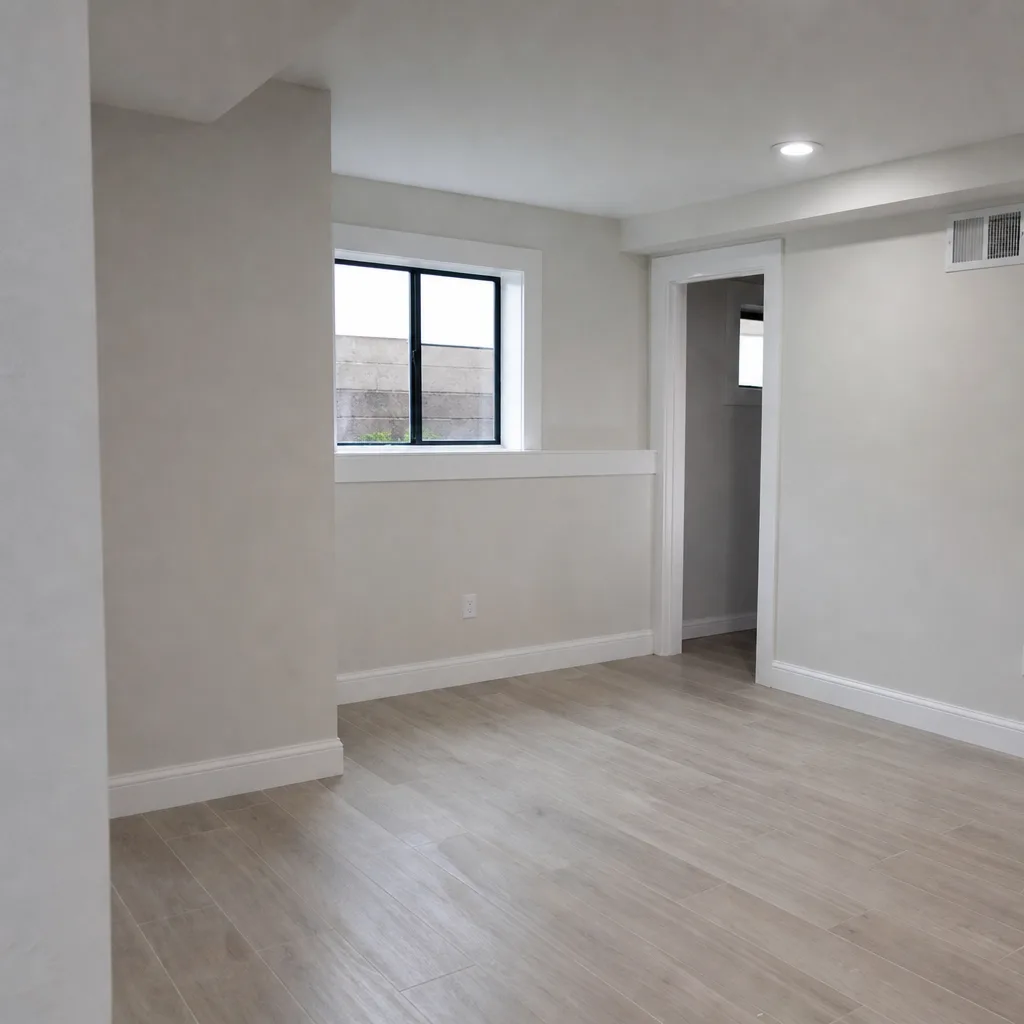 After
After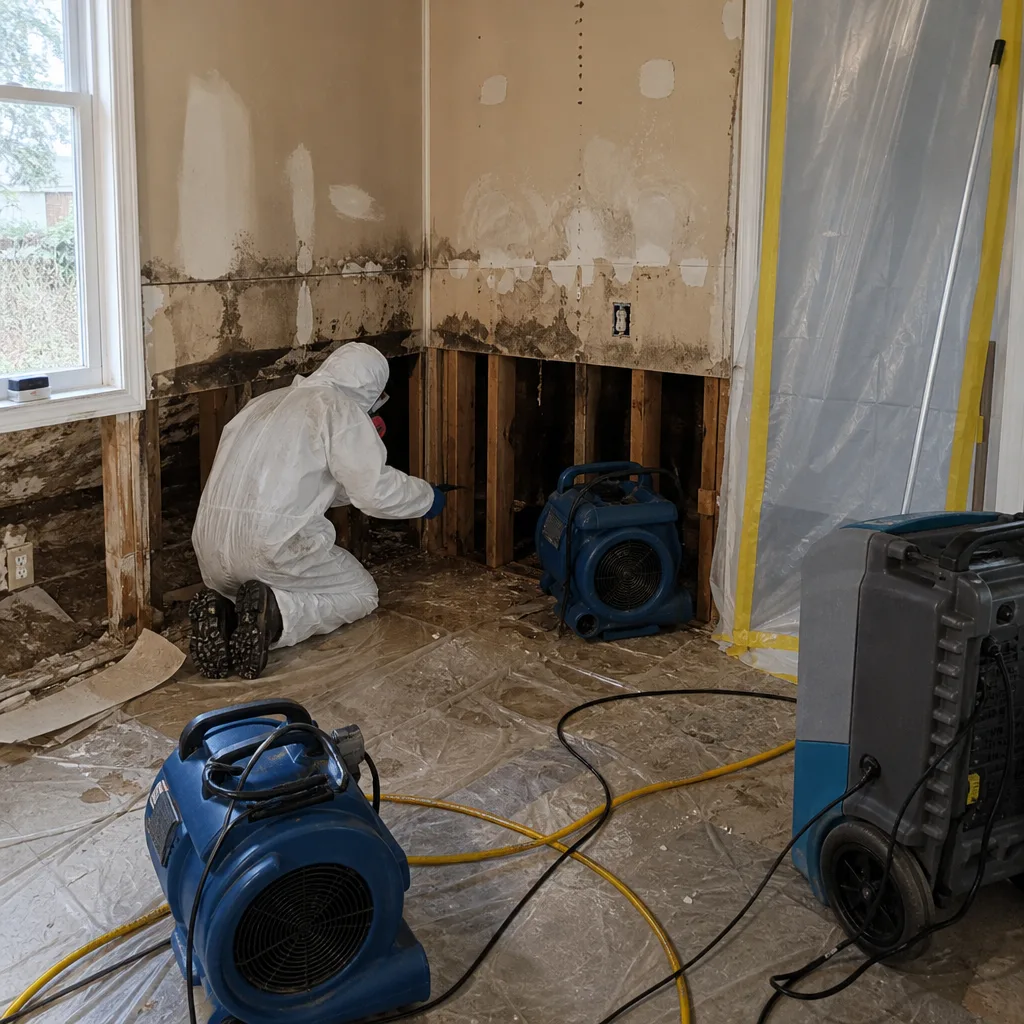 Before
 After
AfterThe Complete Guide to Damage Restoration in Encinitas
Here’s a number that stops most homeowners cold: a restoration crew can extract every gallon of water, replace every damaged stud, and leave your Encinitas home looking untouched - and your insurance claim can still be denied because no one documented a moisture reading below 16% in writing. We’ve seen it happen. The physical work was perfect. The paperwork was invisible. This guide exists because restoration outcomes aren’t decided by who arrives fastest or who has the most trucks. They’re decided by documentation quality across every phase of the job, from the first moisture map to the final closeout package. What follows is the complete restoration sequence mapped by what evidence each phase must produce, with Encinitas-specific conditions that change what “dry” actually means on your property.
Quick Answer
Damage restoration in Encinitas is a phased documentation process that moves from emergency mitigation through reconstruction, with each stage producing specific written records - moisture maps, drying logs, scope of work, photo timestamps - that determine whether your insurance claim is paid without dispute. For a detailed look at what each phase costs, see our Damage Restoration Cost Breakdown: The Encinitas Homeowner’s Reference for 2026. In Encinitas’s coastal climate, where marine layer humidity routinely sits at 65-80% RH, drying targets and documentation requirements differ significantly from inland properties, particularly for slab leaks, stucco moisture intrusion, and canyon-adjacent mold pressure.
Table of Contents
- Why Documentation Decides Claims, Not Speed
- Phase One: Emergency Mitigation and the First 48 Hours
- Phase Two: Structural Drying and Psychrometric Documentation
- Phase Three: Mold Assessment and Remediation Documentation
- Phase Four: Reconstruction - Separate Scope, Separate Documentation
- Encinitas-Specific Risks That Demand Extra Documentation
- What Your Final Closeout Package Must Contain
- Choosing a Restoration Company in Encinitas
 Before
 After
AfterWhy Documentation Decides Claims, Not Speed
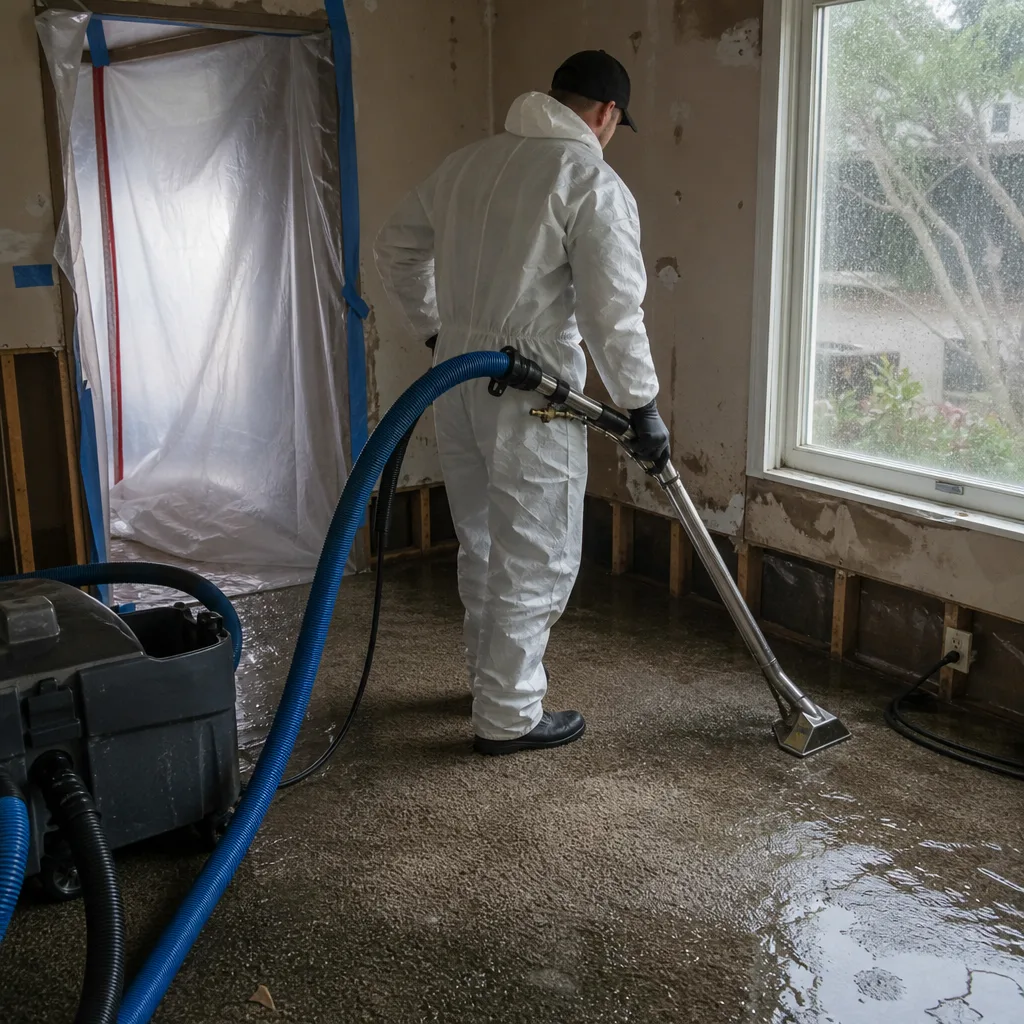
Most Encinitas homeowners we meet have one question first: how fast can you get here? Speed matters for water damage - every hour of unmitigated water migration doubles the affected square footage in porous materials. But speed without documentation is a liability dressed as a service.
Insurance adjusters don’t pay for what they can’t verify. A 2023 RIA study found that 34% of disputed restoration claims failed not because the work was substandard, but because the documentation chain was broken: missing moisture readings, undated photos, scopes that combined mitigation and reconstruction into a single line item. Adjusters have no authority to pay what they cannot justify to their audit departments.
The documentation-first approach treats every job as a file that must survive scrutiny six months after completion. This means:
- Every moisture reading is logged with date, time, location, and meter type
- Every photo carries a timestamp and GPS coordinate where possible
- Every scope of work is written, signed, and delivered before equipment starts
- Every drying log tracks psychrometric data - temperature, relative humidity, specific humidity, and vapor pressure differential - the measurable force that actually drives moisture from materials into the air
At DryMark Restoration Encinitas home, our founding principle comes from Alicia Brennan’s years as a claims adjuster: the documentation gap costs homeowners their claims. The Haven Standard was built to close that gap. Clause 1 requires a written price before any work starts. Not an estimate. Not a range. A written price, signed by both parties, with no scope-creep additions once the crew is inside.
This changes the customer relationship. Instead of watching a meter run and hoping the final number is reasonable, you know the number before the first dehumidifier switches on. Instead of discovering six months later that your claim was partially denied, you receive a closeout package that an adjuster can process without a single follow-up call.
Phase One: Emergency Mitigation and the First 48 Hours
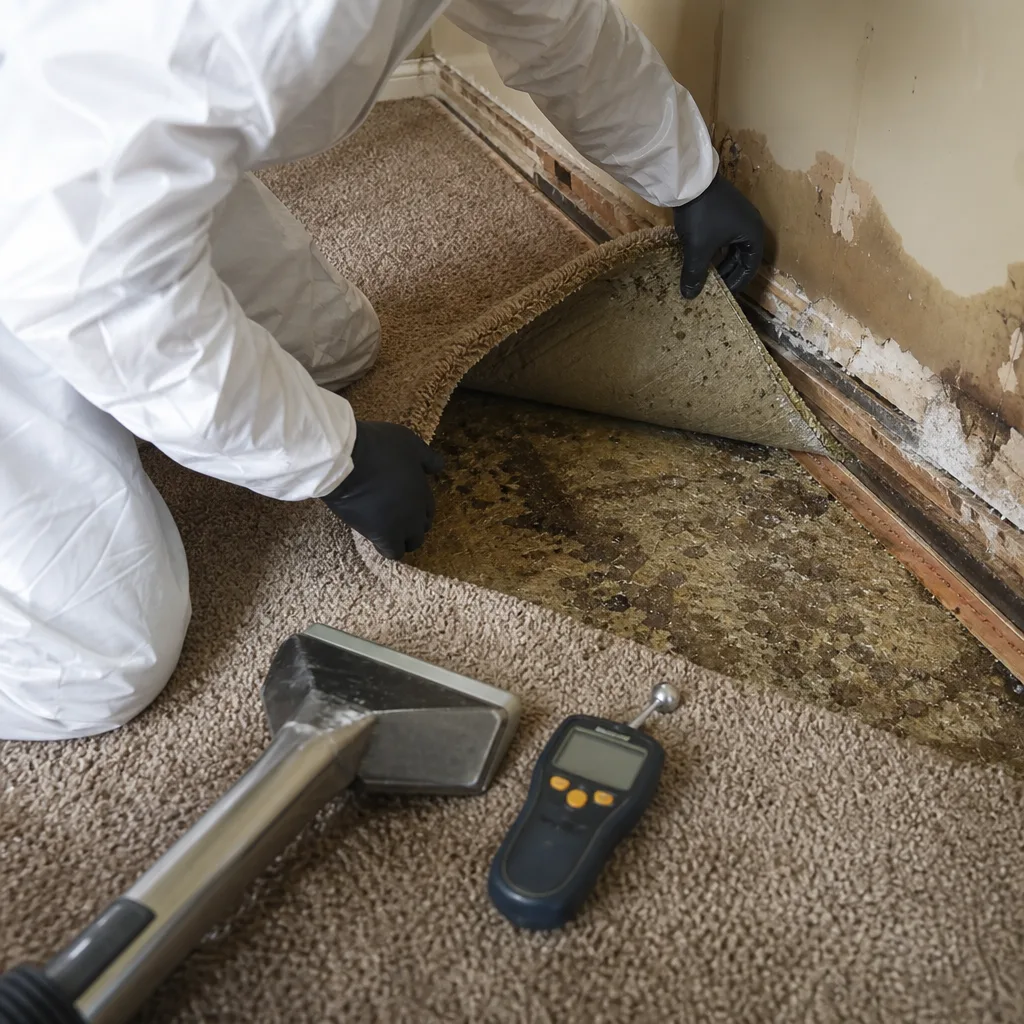
The first 48 hours after water intrusion are when damage compounds exponentially. But they’re also when the documentation foundation is laid - or missed entirely.
Phase one produces three non-negotiable documents:
- The Initial Moisture Map: A room-by-room diagram showing every reading above baseline, with material classifications by trade name. Oak hardwood at 18% moisture content is documented differently than OSB subfloor at 18%, because the materials respond to drying at different rates. The map includes unaffected areas too - establishing pre-loss condition protects against claims that damage existed before the event.
- The Emergency Scope of Work: A written, signed document specifying exactly what will be done, in what sequence, with what equipment, and at what price. Haven Standard, Clause 1. This scope covers extraction, controlled demolition if necessary, and initial equipment placement. It explicitly excludes reconstruction - a separate phase with separate documentation.
- The Photo Record: Timestamped images of every affected area, every piece of equipment placement, and every moisture meter reading. Not a few representative shots. A complete visual record that matches the moisture map point for point.
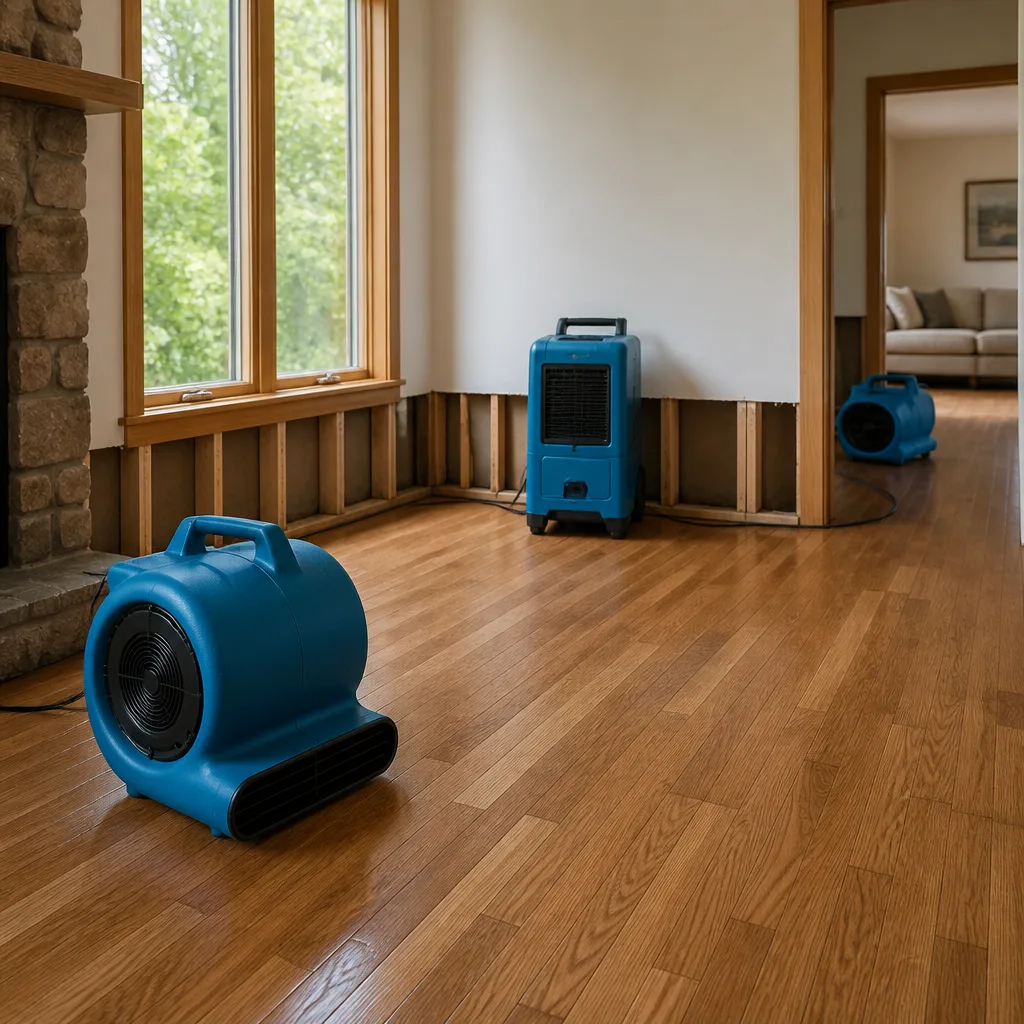
In Encinitas, phase one has a local variable that inland crews often miss: the marine layer. When overnight humidity spikes to 80% RH, as it regularly does from May through October, open-window ventilation - a common first response - can introduce more moisture than it removes. Our crews use sealed, dehumidified environments from the start, with equipment from Phoenix and XPOWER that logs operating conditions automatically.
Live phone coverage matters here. Water doesn’t wait for business hours. Our emergency line is answered by a person, 24 hours a day, 7 days a week - no voicemail trees, no next-business-day callbacks while water is still moving through your subfloor.
Phase Two: Structural Drying and Psychrometric Documentation
Once standing water is extracted, the real work begins: reducing moisture content in structural materials to pre-loss levels. This is where most restoration failures hide, because “dry” is not a feeling. It’s a number.
Psychrometrics is the study of air-vapor mixtures - the science that determines whether your walls are actually drying or just feeling dry. Three measurements drive the process:
- Vapor pressure differential: The difference in moisture concentration between the wet material and the surrounding air. Drying only occurs when this differential is positive - the air must hold less moisture than the material. In Encinitas’s high-humidity baseline, achieving this requires more aggressive dehumidification than in drier climates.
- Specific humidity: The actual mass of water vapor in the air, measured in grains per pound. Target specific humidity for effective drying is typically 55-65 grains per pound; Encinitas ambient air can arrive at 80-95 grains during marine layer events.
- Equilibrium moisture content (EMC): The moisture level a material reaches when it’s in balance with its environment. For wood framing in coastal Southern California, EMC is typically 10-12%. Your drying target must reach below this, not just approach it, because post-mitigation humidity spikes can reintroduce moisture.
The daily drying log is the critical document of phase two. It records:
- Date and time of each reading
- Equipment operating status - dehumidifier pint removal, air mover CFM, temperature set points
- Moisture content readings at every mapped location, with meter type and calibration date
- Psychrometric conditions: temperature, RH, specific humidity, vapor pressure differential
- Technician name and signature
Without this log, an adjuster cannot verify that drying was pursued to completion rather than stopped prematurely. We’ve reviewed competitor files where crews pulled equipment after three days because “it looked dry” - with no readings below 18% and no log to show why. Those claims were disputed. The homeowners paid out of pocket for secondary damage that proper drying would have prevented.
Our equipment - including Injectidry systems for hardwood and cavity drying, and B-Air units for high-volume air movement - is selected for its ability to produce measurable, loggable results. Every machine’s output is documented to IICRC, RIA, and IFA standards, producing the daily moisture logs that turn restoration invoices into payable insurance claims.
Phase Three: Mold Assessment and Remediation Documentation
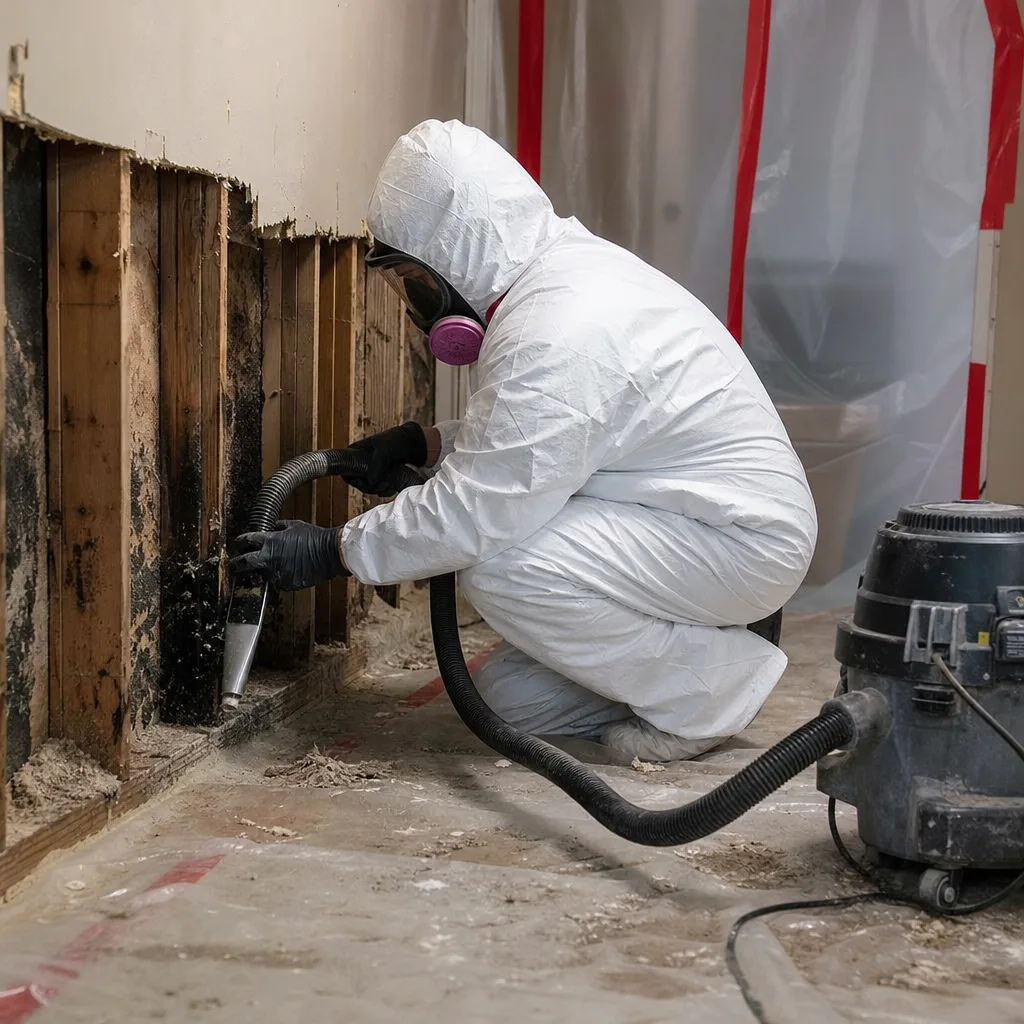
Mold is where restoration documentation faces its toughest test. Unlike water damage, which is visible and urgent, mold is often hidden, slow-developing, and subject to the most aggressive claim scrutiny in the industry.
The documentation chain for mold remediation in Encinitas must include:
- Pre-remediation assessment: Air and surface sampling with chain-of-custody documentation, lab certification, and spatial mapping showing sample locations relative to HVAC systems and occupied spaces
- Containment verification: Photos of negative air pressure establishment, HEPA filtration setup, and sealed barriers before disturbance begins
- Removal documentation: Timestamped photos of affected materials before, during, and after removal, with square footage calculations and disposal manifests
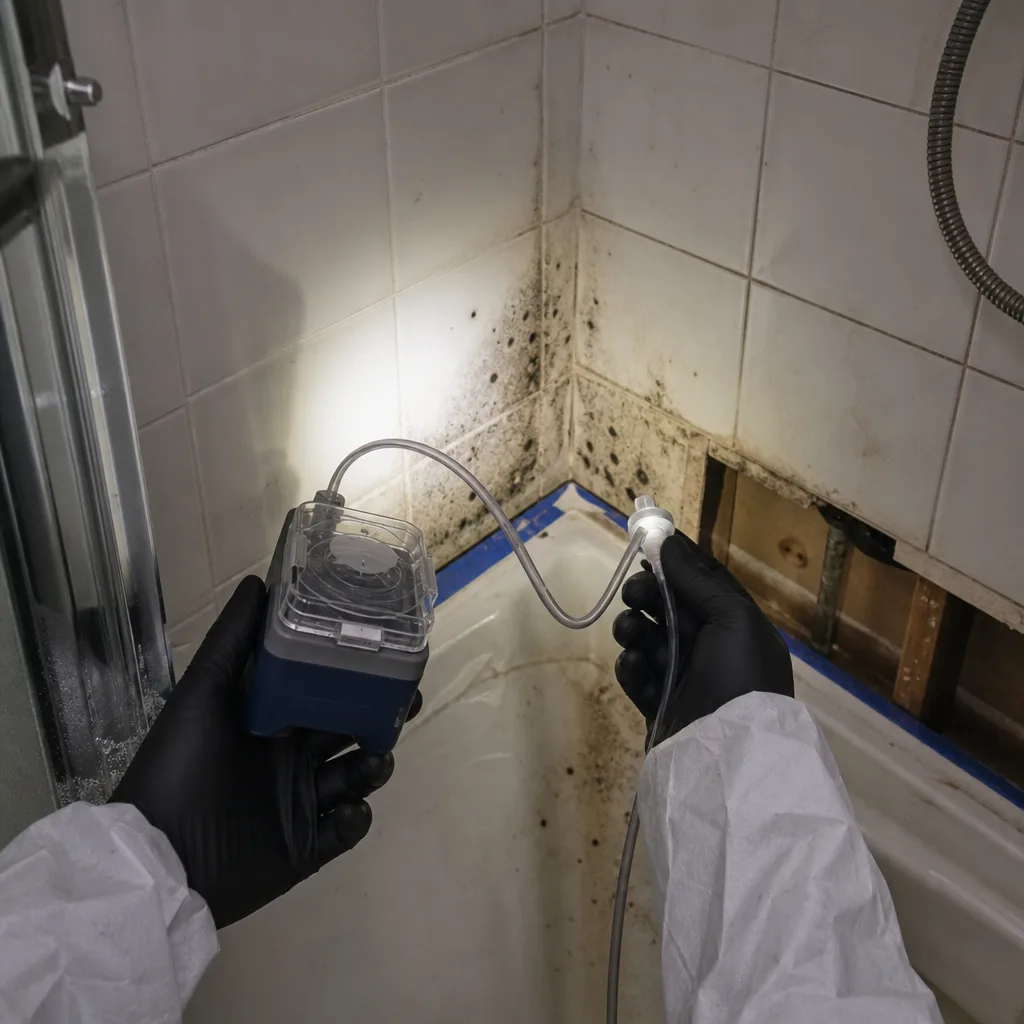
- Post-remediation verification: Clearance sampling with independent lab analysis, comparing indoor spore counts to outdoor baseline - critical in Encinitas, where coastal mold pressure from canyon vegetation can elevate outdoor baselines above inland norms
Encinitas properties face specific mold pressures that inland homes don’t. Canyon-adjacent neighborhoods like Olivenhain and parts of Leucadia receive consistent spore loads from coastal sage and riparian vegetation. Stucco-clad homes, common throughout Encinitas, can harbor moisture behind apparently intact surfaces for months before visible growth appears. Slab-on-grade construction, standard in most post-1980s Encinitas subdivisions, creates vapor migration paths that surface inspections miss.
These conditions mean mold documentation must go deeper. We use moisture mapping that includes wall cavity probing, thermal imaging to identify temperature differentials behind stucco, and sub-slab vapor testing where history suggests slab leak risk. Mold Remediation in Encinitas requires this additional rigor because the environmental conditions demand it.
Alicia Brennan established our mold protocol after watching carriers deny claims where remediation was clearly necessary but documentation was insufficient to prove it. The Haven Standard requires independent post-remediation clearance on every mold job - not as an upsell, but as a standard deliverable. The homeowner receives the lab report, the photo record, and the signed clearance certificate before we consider the job complete.
Phase Four: Reconstruction - Separate Scope, Separate Documentation
This is where most restoration companies break the documentation chain, and where most claims face their hardest audit.
Mitigation and reconstruction are different trades with different pricing structures, different timelines, and different documentation requirements. Combining them into a single scope or a single invoice is a red flag for adjusters. It suggests either sloppy file management or intentional obfuscation of costs.
The Haven Standard separates these phases explicitly:
- Mitigation scope: Emergency response, extraction, drying, controlled demolition, and initial sanitization. Priced by equipment, labor hours, and materials consumed. Completed in days.
- Reconstruction scope: Replacement of removed materials, finish work, painting, flooring installation, and final touch-out. Priced by square footage, material grades, and trade labor. Scheduled and scoped in writing like a remodel - not dispatched for same-day arrival.
Reconstruction documentation must include:
- Detailed written scope with material specifications by manufacturer and grade
- Line-item pricing with no lump-sum categories
- Progress photo record at rough-in, pre-finish, and final walkthrough
- Change orders in writing, signed before work proceeds
- Final punch list with homeowner sign-off
Speed language belongs on mitigation, not reconstruction. Promising same-day reconstruction service is either dishonest or reckless - proper reconstruction requires material ordering, trade scheduling, permit verification where applicable, and drying confirmation before enclosure. We schedule reconstruction in Encinitas with the same documentation discipline we apply to emergency response, because the claim isn’t closed until the reconstruction file is complete.
Our Water Damage Restoration in Encinitas service includes full reconstruction capability, but we never blur the line between phases. Each gets its own written scope, its own photo record, its own signed completion.
Encinitas-Specific Risks That Demand Extra Documentation
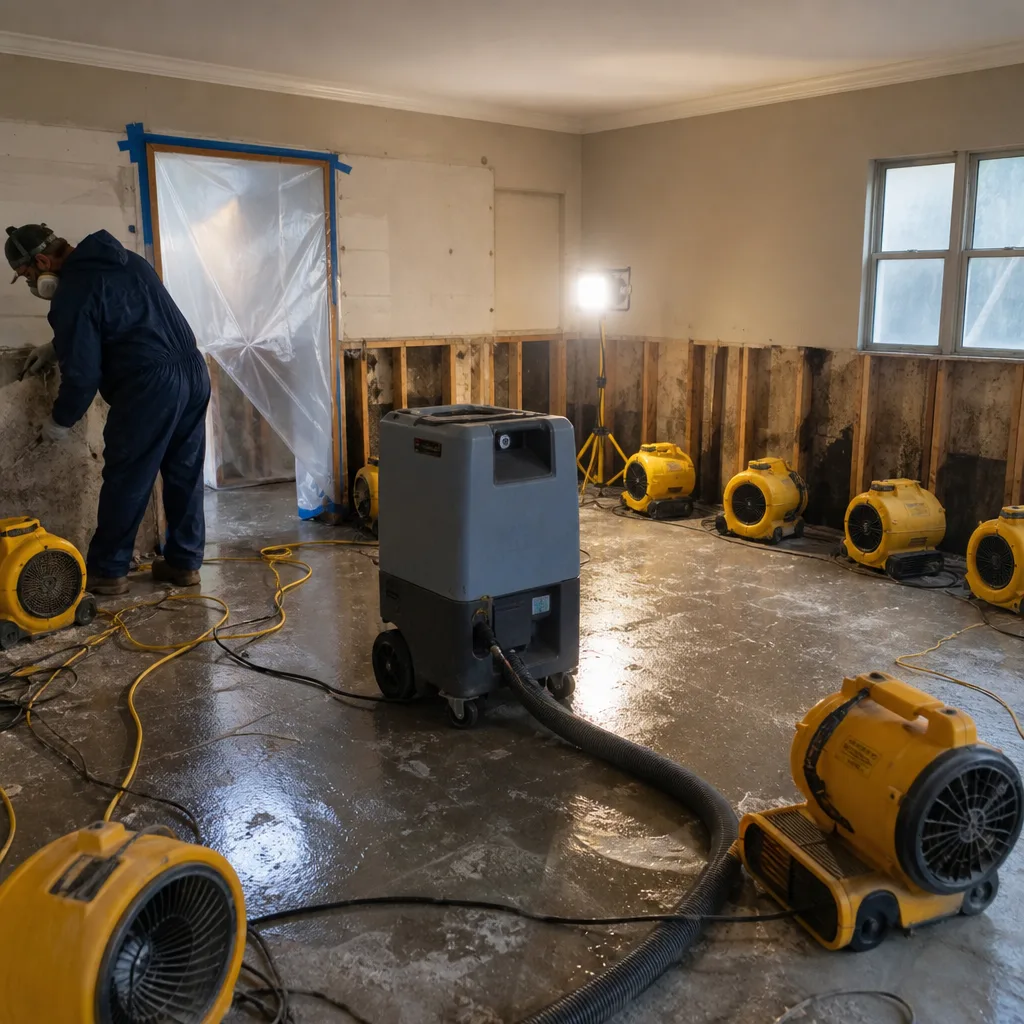
Every market has its signature damage patterns. Encinitas has three that require documentation steps inland properties don’t:
Slab Leaks and Vapor Migration: The combination of expansive clay soils and slab-on-grade construction common in Encinitas creates hydrostatic pressure that forces moisture through slab joints and vapor barriers. Standard moisture mapping of walls and floors misses this. We document sub-slab relative humidity with in-situ probes, and we require vapor emission testing before flooring replacement. Without this, new flooring installed over a compromised slab fails within 18 months - and the carrier won’t pay twice.
Stucco Moisture Intrusion: Traditional hard-coat stucco, still present on many Encinitas homes built before 2000, is porous. When the moisture barrier behind it degrades, water enters the wall cavity without visible exterior damage. Our documentation includes infrared thermal scanning to identify temperature differentials, and selective probe testing where scans suggest intrusion. We photograph every probe location, the condition found, and the repair. This protects against claims that we created damage by investigating.
Canyon-Adjacent Mold Pressure: Properties backing onto Encinitas’s coastal canyons - in neighborhoods like New Encinitas near Encinitas Ranch, or the eastern edges of Olivenhain - experience sustained mold spore loads from decomposing vegetation and marine air drainage. Post-remediation clearance sampling must account for this elevated outdoor baseline. We document outdoor sample locations, wind conditions, and time of day, because a clearance that reads “elevated” against an inland baseline may be normal for canyon-adjacent Encinitas.
These aren’t theoretical concerns. In 2019, we documented a Leucadia property where three previous remediation attempts had failed because no one had tested sub-slab vapor. The moisture source was never the visible wall mold. It was a slab leak migrating through the foundation. Our documentation of the actual source - with vapor emission readings, plumbing isolation tests, and repair verification - produced a paid claim that three prior contractors had left disputed.
What Your Final Closeout Package Must Contain
A restoration job isn’t complete when the equipment leaves. It’s complete when you hold a closeout package that any adjuster can process without a phone call.
Before signing any certificate of completion, verify that your package includes:
- The signed original scope of work - Haven Standard, Clause 1, with your signature and ours
- The complete moisture map - initial and final readings, every location
- The daily drying log - every psychrometric reading, every equipment status check, every technician signature
- The complete photo record - timestamped, with equipment placement verification and condition documentation
- All change orders in writing - signed before the work they authorized
- Equipment decontamination certificates - required for sewage and biohazard jobs, documenting that equipment was sanitized before removal from your property
- The 365-Day Done Right Promise - a signed warranty under The Haven Standard, not a verbal assurance, with specific contact protocol if issues arise
- Direct insurance coordination notes - documentation of adjuster contact, photo sharing, and any agreed scope modifications
This package is your protection against three common failures: the carrier who denies payment for undocumented work, the secondary damage that appears months later, and the contractor who becomes unreachable when problems emerge.
We’ve produced over 12,000 of these packages since 2011. Every one had a written price before work started. Every one had a documented record when the crew left. That consistency is what The Haven Standard requires.
Choosing a Restoration Company in Encinitas
The right question isn’t “who’s closest?” or “who’s cheapest?” It’s “what will my file look like when the adjuster reviews it?”
Evaluate restoration companies on documentation discipline, not marketing claims. Ask specifically:
- Will I receive a written price before any work begins? (Haven Standard, Clause 1. If they hedge, continue looking.)
- What does your daily drying log include? (If they don’t know what psychrometric data is, they aren’t documenting drying scientifically.)
- How do you handle reconstruction - same scope or separate? (Combined scopes suggest either inexperience or intentional opacity.)
- What’s in your closeout package? (Vague answers predict vague documentation.)
- Do you offer a free second opinion on competitor estimates? (A company confident in its documentation has nothing to fear from comparison.)
Background-checked, uniformed technicians matter too - named, licensed, insured, and verified before they arrive. You should know who’s entering your home, with what qualifications, under what company’s liability coverage.
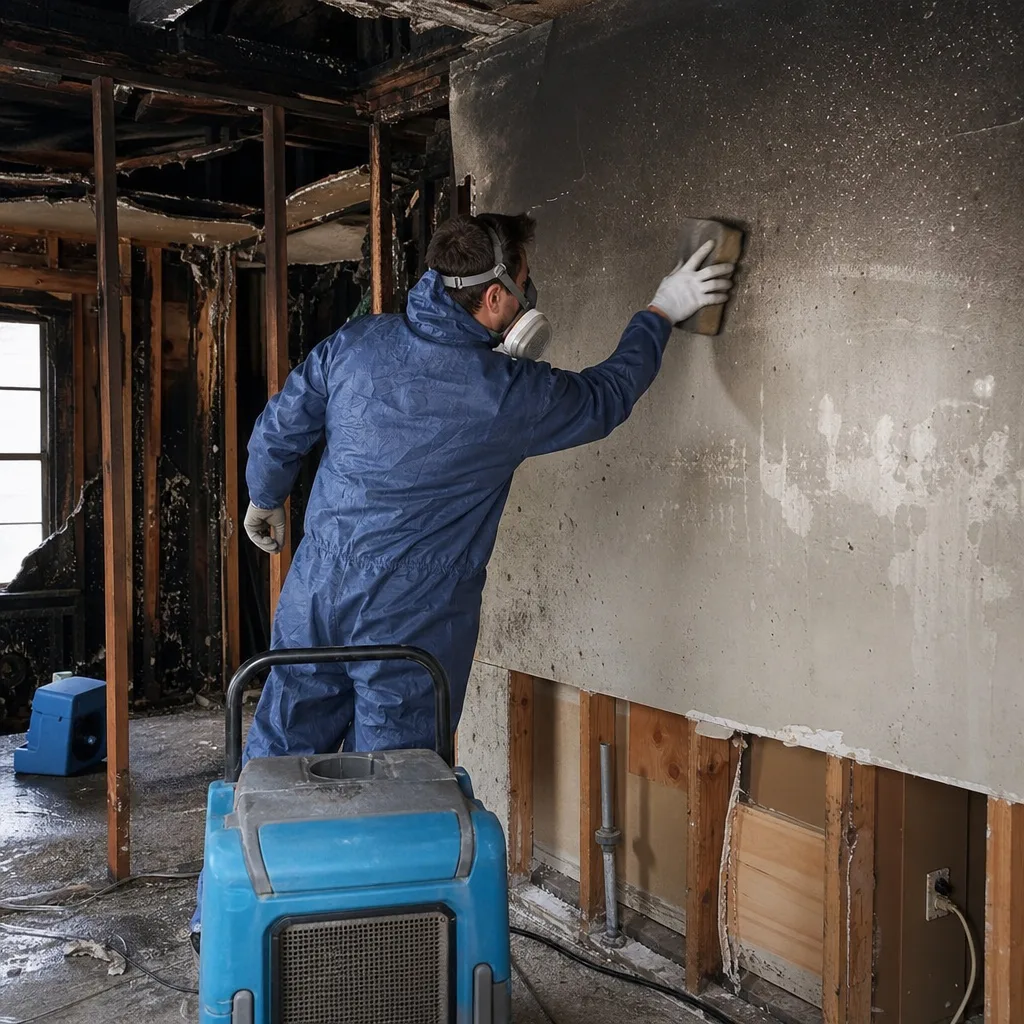
Our Fire & Smoke Damage Restoration in Encinitas service applies the same documentation standards, because fire claims face even more intensive adjuster scrutiny. Soot damage requires pre-cleaning photo documentation, surface-specific cleaning protocols, and post-cleaning verification - all logged, all photographed, all delivered in the closeout package.
Common Mistakes to Avoid
- Accepting a verbal estimate for emergency work. In Encinitas’s high-cost market, verbal estimates balloon. Haven Standard, Clause 1 exists because Alicia Brennan saw too many homeowners trapped by scope creep once crews were inside.
- Allowing mitigation and reconstruction to be scoped together. This nearly always produces audit failures. The two phases have different pricing methodologies and different documentation requirements.
- Ignoring marine layer effects on drying. Opening windows for “ventilation” during high-humidity periods introduces moisture. Proper drying requires sealed, dehumidified environments with logged conditions.
- Skipping post-remediation clearance for mold. Independent lab verification isn’t an upsell - it’s the only proof that remediation achieved its goal. Outdoor baseline documentation is essential in Encinitas’s elevated spore environment.
- Signing completion certificates before receiving the full closeout package. Once signed, your leverage disappears. Verify every document is in hand first.
- Choosing by response time alone for non-emergency reconstruction. Reconstruction should be scheduled and scoped in writing. Same-day promises suggest corner-cutting, not efficiency.
- Failing to document pre-existing conditions. Photos of unaffected areas protect against claims that damage predated the loss event. This is standard in our initial moisture mapping.
When to Call a Professional
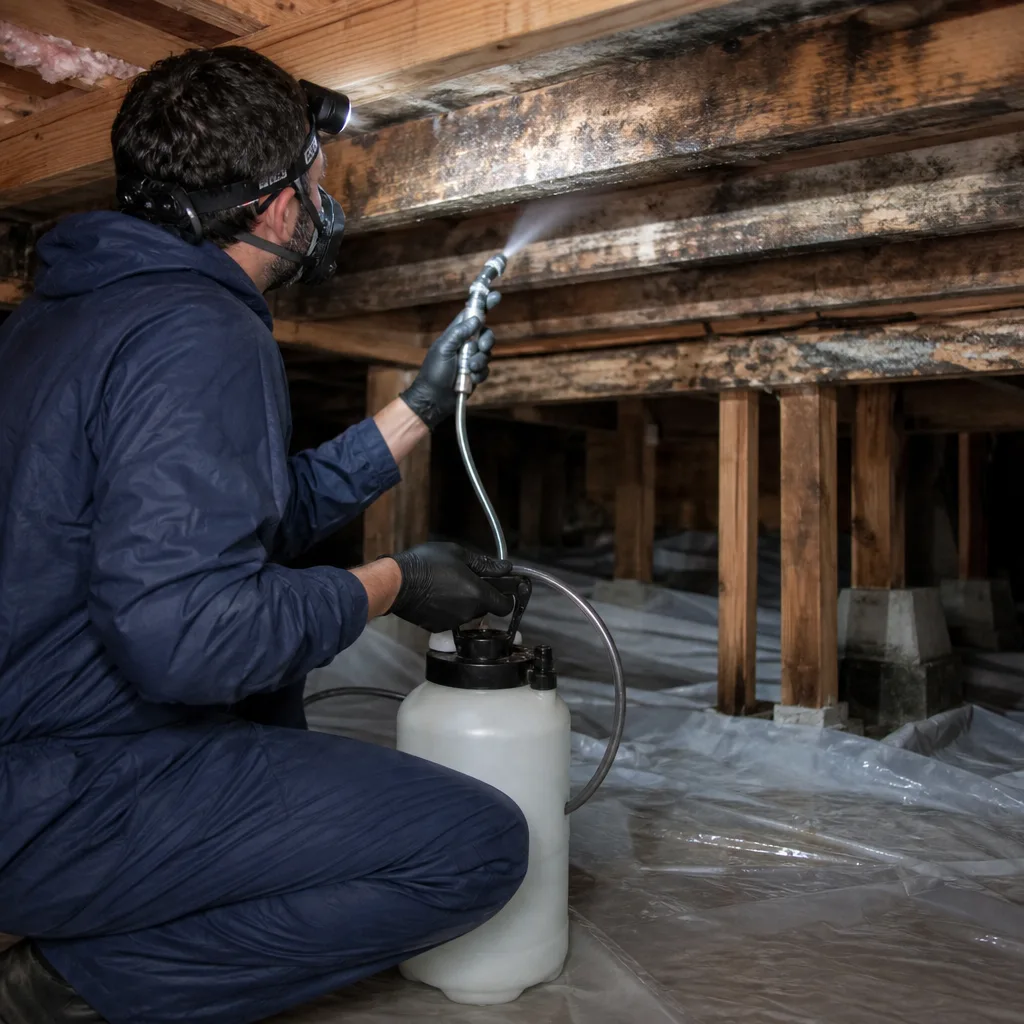
Call immediately for standing water of any depth, sewage backup, fire damage with structural compromise, or mold growth exceeding 10 square feet. These conditions worsen rapidly and require documented emergency response. For slower-developing concerns - a persistent musty smell, visible staining on stucco, or flooring that feels uneven - schedule an assessment within 48 hours. Delayed documentation weakens your claim position. DryMark Restoration Encinitas offers free estimates in Encinitas - call (760) 454-2594. We also provide free second opinions on any competitor’s written estimate, with no obligation.
Frequently Asked Questions
Mitigation pricing in Encinitas typically ranges from $1,200-$3,500 for contained water damage with no structural compromise, and $4,500-$12,000+ for extensive flooding requiring demolition and extended drying. Reconstruction is priced separately by scope, with flooring replacement at $8-$15 per square foot and drywall at $2.50-$5.00 per square foot in current market conditions. Every job receives a written price before work begins under Haven Standard, Clause 1. Call (760) 454-2594 for an exact quote - estimates are free.
Most homeowners policies cover sudden and accidental water damage, fire, and storm damage, but coverage varies by cause and documentation quality. The single biggest factor in claim approval is whether the restoration company produced written moisture logs, photo records, and signed scopes that justify every line item. We coordinate directly with adjusters, provide photo documentation as standard, and structure files for clean claim processing. Call (760) 454-2594 to review your specific policy situation.
For emergency water, fire, and sewage damage, our live dispatch answers 24 hours a day, 7 days a week, with typical Encinitas response times of 45-90 minutes depending on traffic and your neighborhood. Reconstruction is scheduled, not dispatched - scoped in writing and placed in queue like any quality construction project. Call (760) 454-2594 for current emergency availability.
Visible mold exceeding 10 square feet, mold in HVAC systems, or mold resulting from Category 3 water (sewage or groundwater) requires professional remediation with containment, negative air pressure, and post-remediation clearance testing. Surface cleaning is appropriate only for very limited, accessible growth on non-porous materials with a confirmed dry source. In Encinitas’s high-humidity baseline, apparent “minor” mold often indicates hidden moisture sources that require documentation and source elimination. Call (760) 454-2594 for assessment.
Mitigation is emergency stabilization - extraction, drying, demolition of unsalvageable materials, and sanitization. It’s priced by equipment and labor hours, completed in days, and requires daily documentation. Reconstruction is rebuilding - replacement of removed materials, finish work, and restoration to pre-loss condition. It’s priced by material and trade labor, scheduled in advance, and requires progress documentation at rough-in and final. These phases must be documented separately to survive carrier audit. Haven Standard separates them explicitly on every job.
We coordinate directly with your adjuster, providing photo documentation, moisture logs, and written scopes as standard deliverables - never upsells. Our files are structured for clean claim processing because Alicia Brennan built this company around the documentation gap that costs homeowners their claims. You receive copies of all adjuster communications and retain final approval authority on all scope decisions. Call (760) 454-2594 to discuss your specific claim situation.
The Bottom Line
Damage restoration in Encinitas succeeds or fails on documentation, not drama. The marine layer humidity, slab-on-grade construction, and canyon-adjacent mold pressure create local conditions that generic restoration approaches miss. A complete job produces a closeout package with signed scopes, daily drying logs, timestamped photos, and a written warranty - evidence that survives adjuster review and protects against future disputes. Anything less leaves you exposed. At DryMark Restoration Encinitas, we’ve operated under The Haven Standard since 2011 because we’ve seen what sloppy documentation costs. The 365-Day Done Right Promise isn’t marketing. It’s a signed guarantee that the evidence in your file matches the work in your home.
Ready to start your restoration with documentation that protects your claim? Call DryMark Restoration Encinitas at (760) 454-2594 for a free estimate. Bring a competitor’s written estimate for our free second opinion - no charge, no obligation.
Written by Alicia Brennan, Owner at DryMark Restoration Encinitas, serving Encinitas since 2011.