
Last updated September 23, 2026
Free visual inspection and a written scope of work before any mitigation begins - photos, moisture readings, and drying logs go in your claim file
The scope we write is the scope we bill. Anything new gets shown to you, in writing, before we touch it.
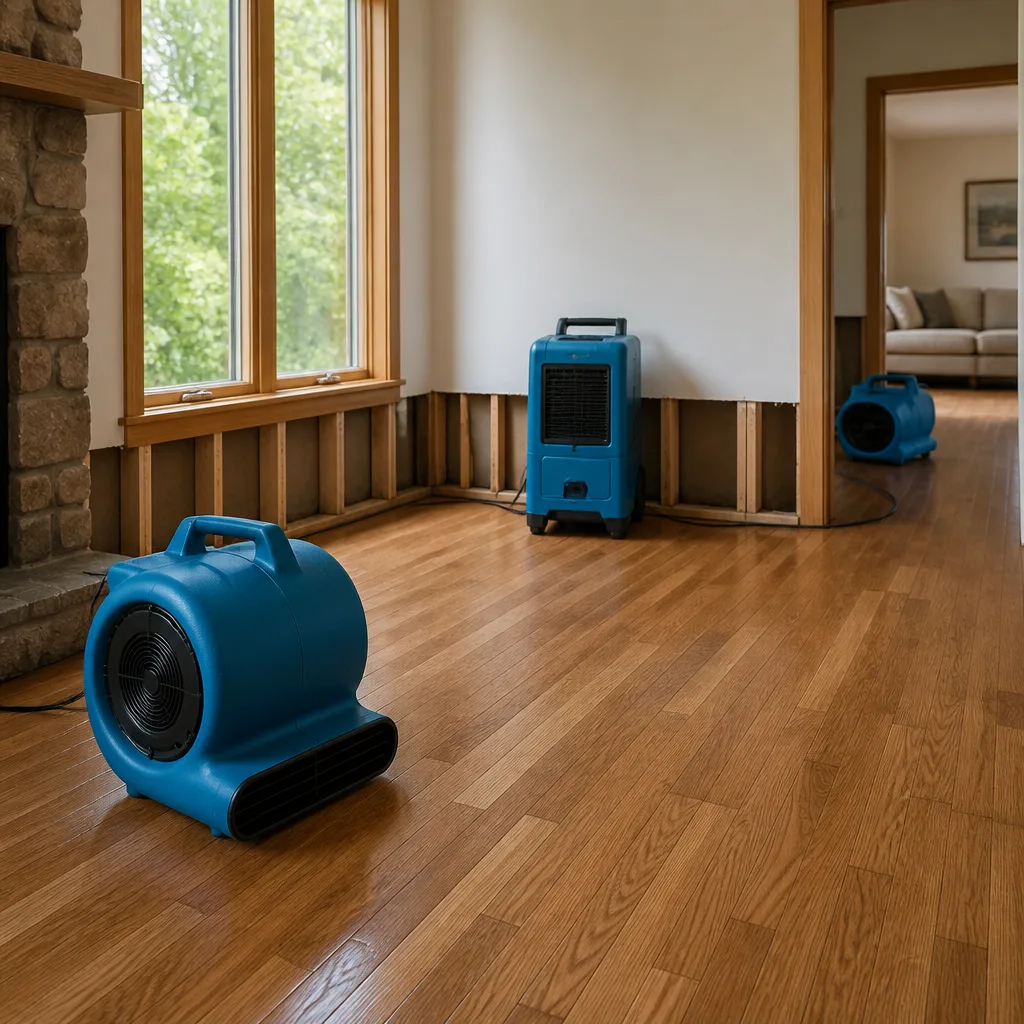

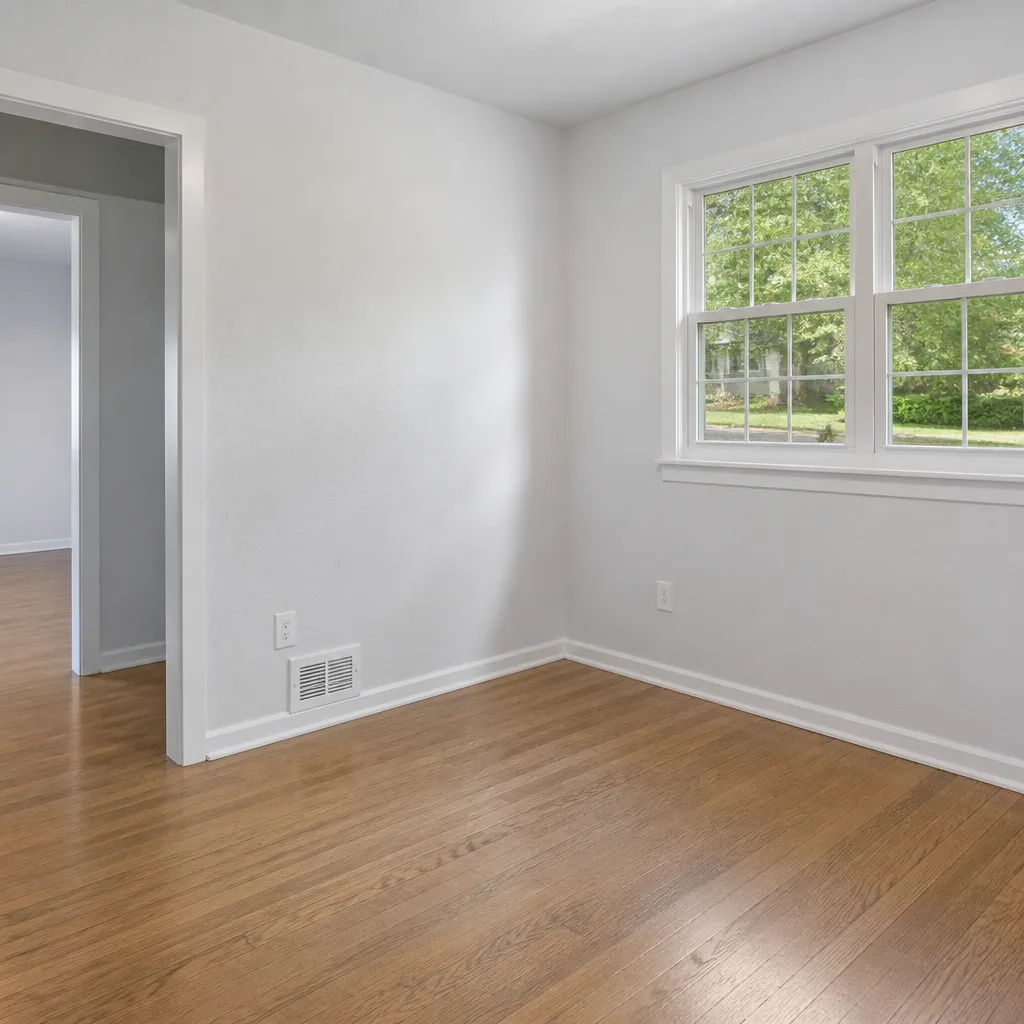
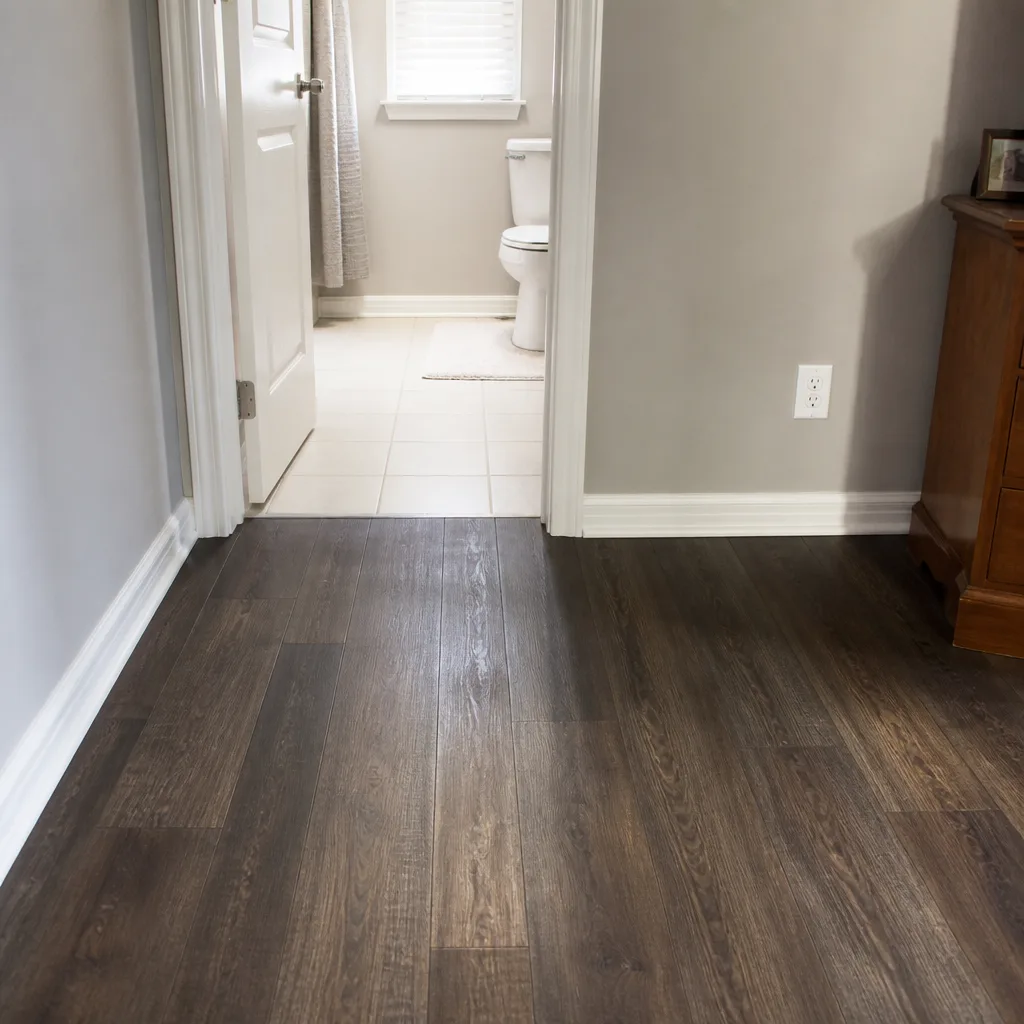

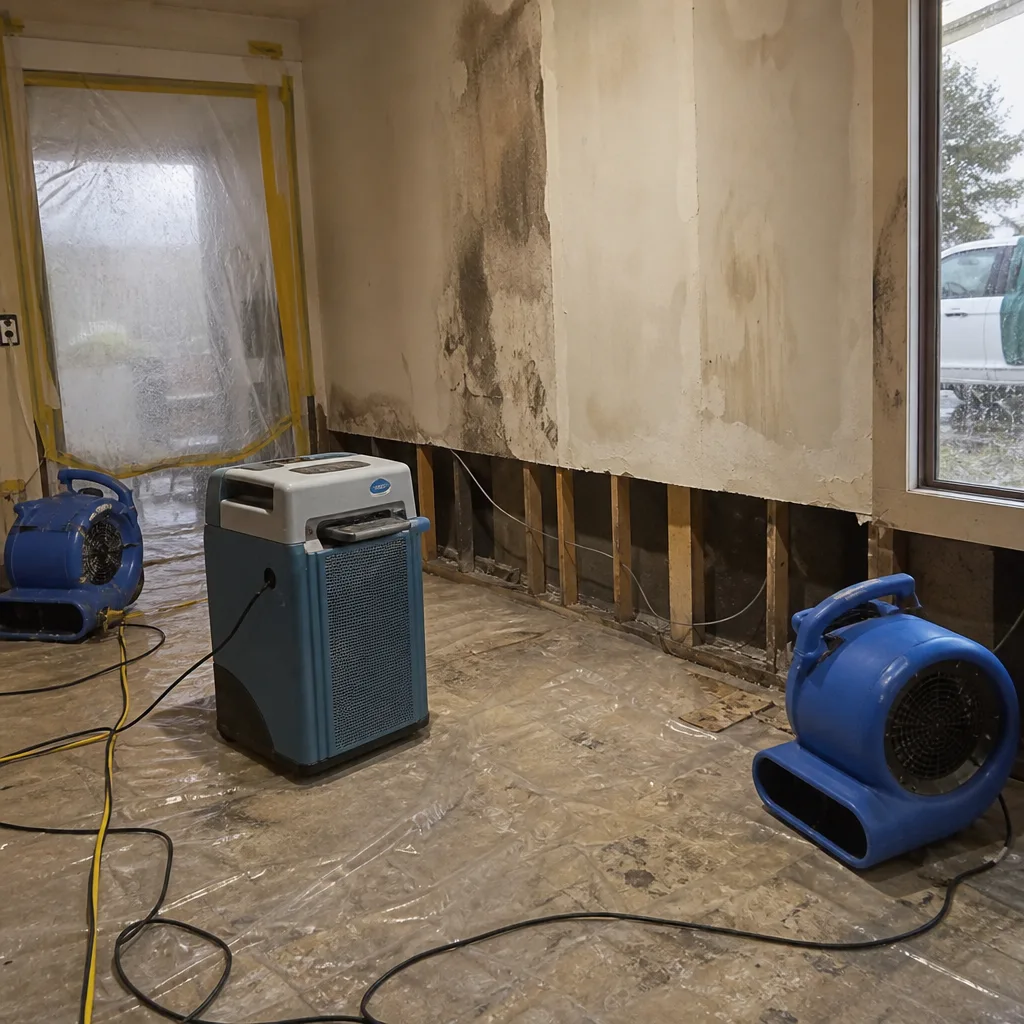 Before
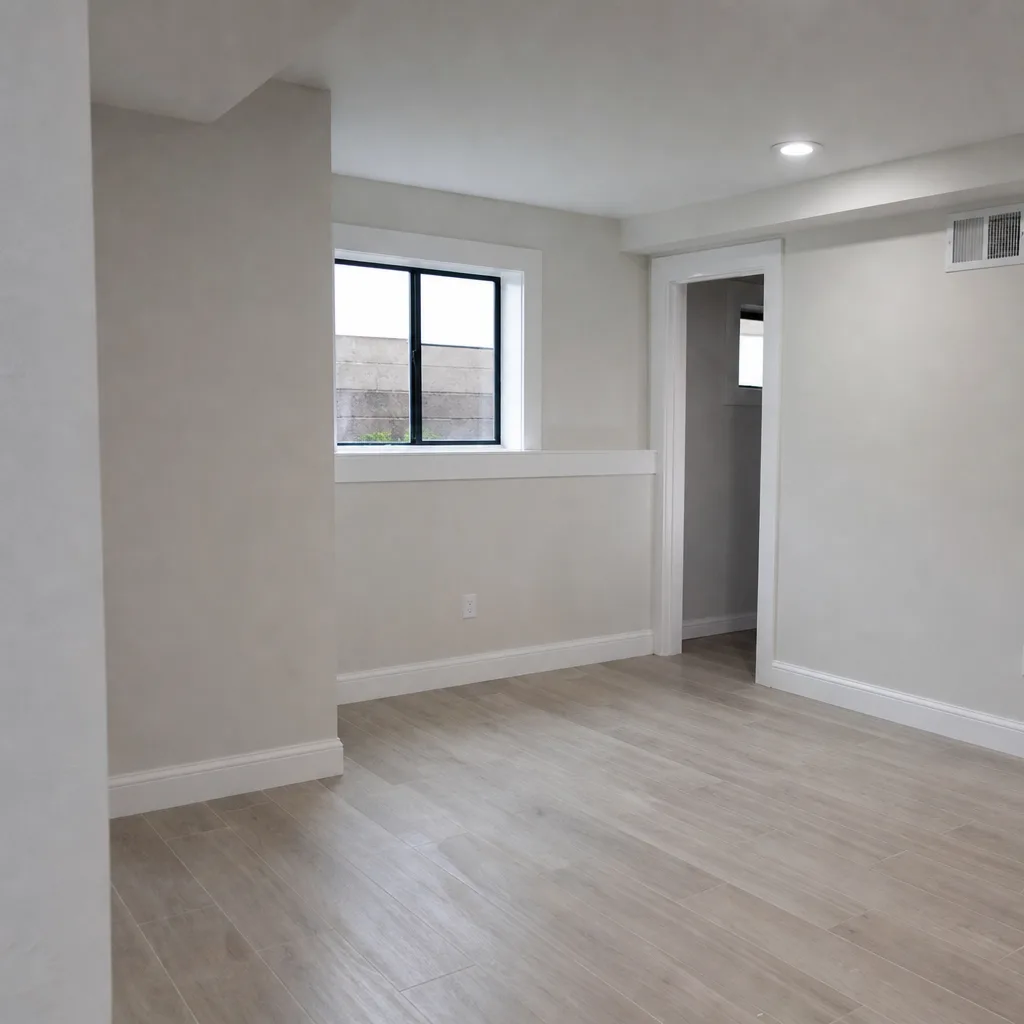 After
After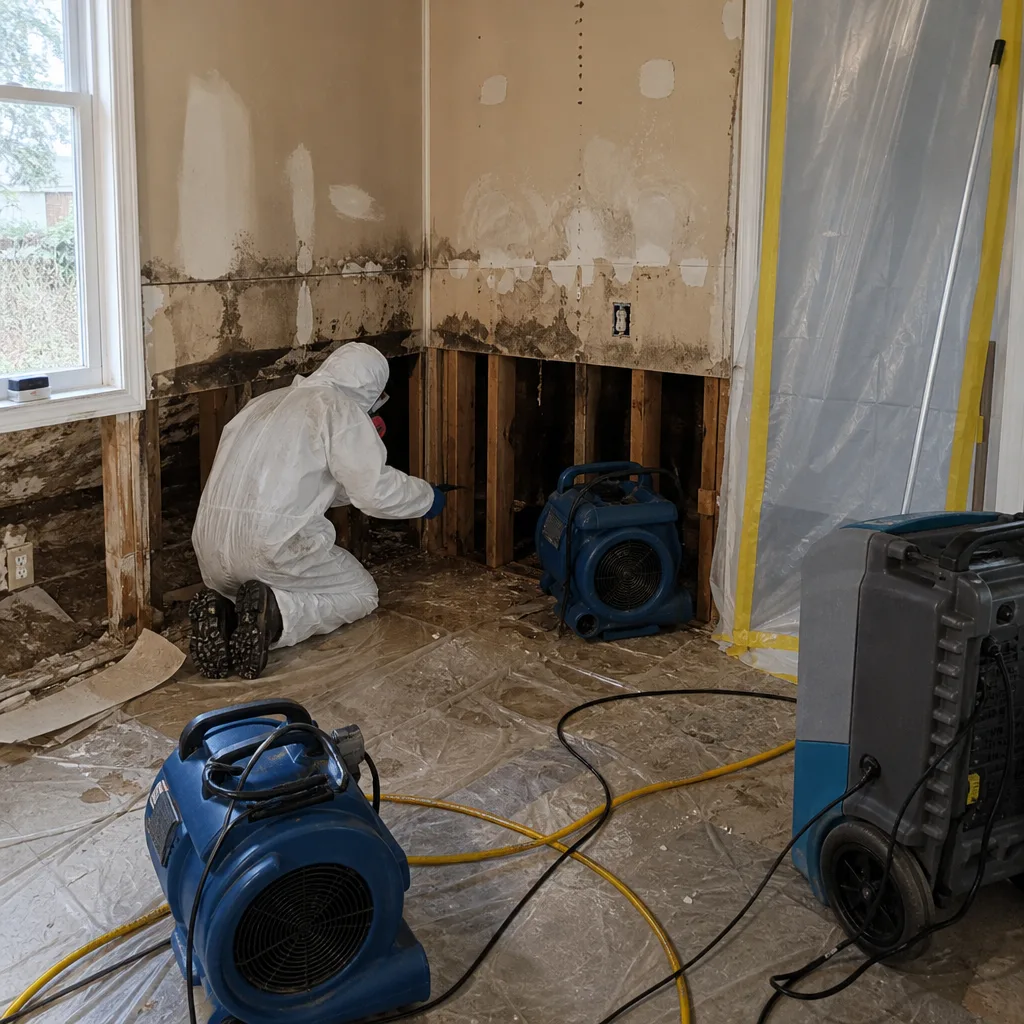 Before
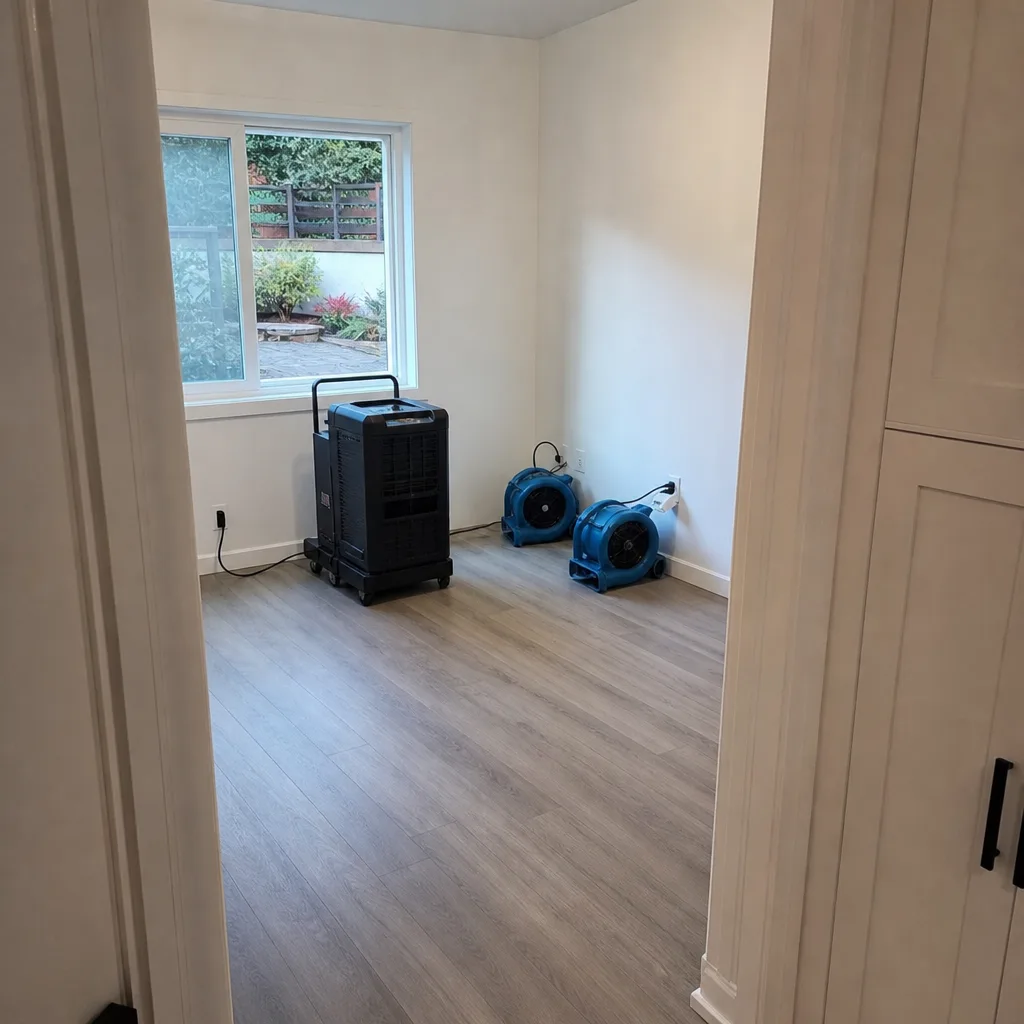 After
AfterDamage Restoration Permits, Codes & Inspections in CA: What You Need to Know
California law requires a building permit for structural drying work that involves removing more than 32 square feet of drywall - a threshold most mold remediation jobs cross on day one. Yet in our experience reviewing competitor estimates across Encinitas and North County San Diego, fewer than half of restoration contractors explicitly address permit responsibility in their written scopes. This gap matters more than most homeowners realize: unpermitted restoration work can void insurance coverage on the repaired area, trigger a material disclosure obligation at resale, and leave you holding a citation from San Diego County Code Enforcement. This guide maps exactly which restoration scopes trigger a permit requirement under California Building Code, how Encinitas and San Diego County’s inspection process works in practice, and what documentation you should demand before any crew enters your home.
Quick Answer
Most water damage mitigation work - extraction, drying, and limited material removal under 32 square feet - does not require a building permit in California. Once restoration crosses into structural repair, electrical or plumbing replacement, or mold remediation disturbing more than 100 square feet of surface area, permits become mandatory under California Building Code and Health & Safety Code. In Encinitas, permits are pulled through the City of Encinitas Development Services Department or San Diego County depending on your property’s jurisdiction, with typical timelines of 3-10 business days for initial review and same-day reinspection if corrections are minor.
Table of Contents
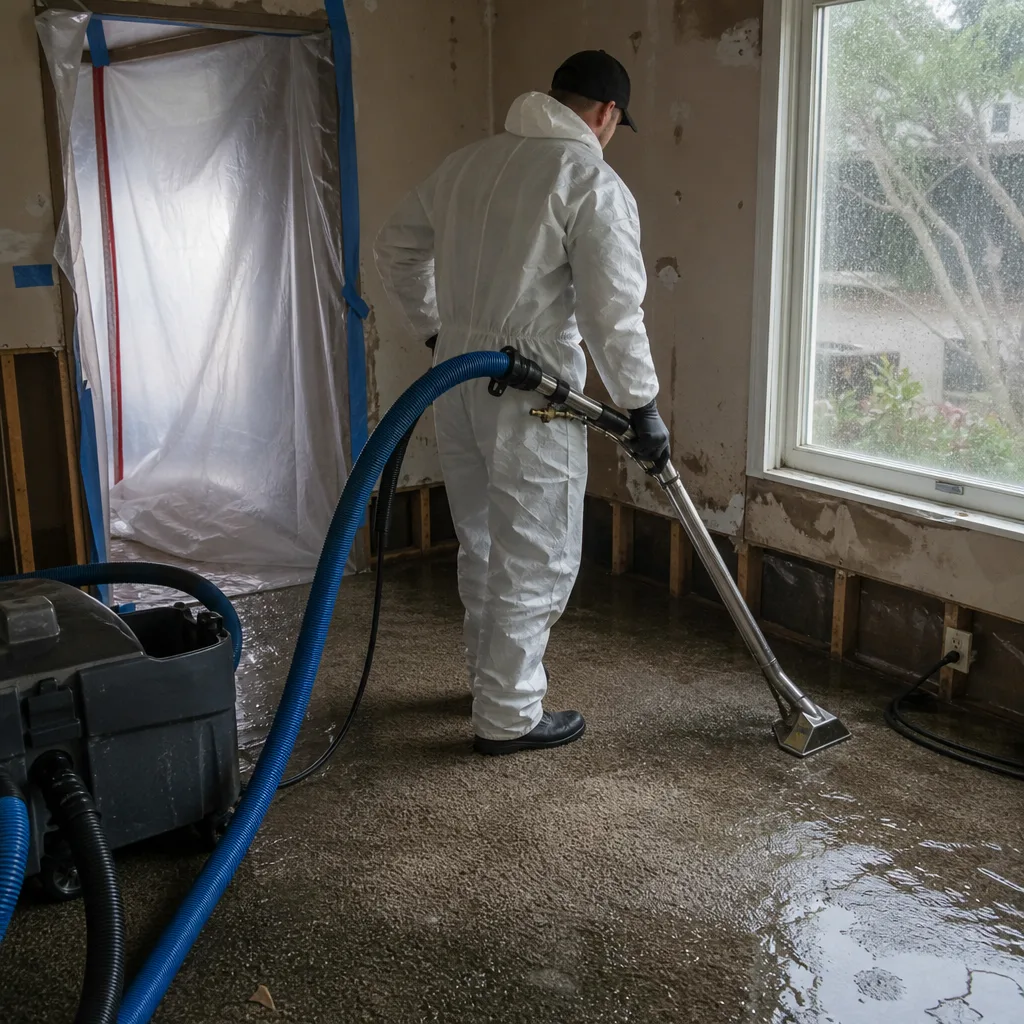
- When Is a Permit Required for Restoration Work in California?
- The Encinitas & San Diego County Permit Process: Step by Step
- Mitigation vs. Reconstruction: The 32-Square-Foot Threshold
- Mold Remediation & Asbestos: Health & Safety Code Requirements
- How Permits Affect Insurance Claims and Coverage
- What to Ask Your Contractor Before Signing
- Common Mistakes to Avoid
- When to Call a Professional
 Before
 After
AfterWhen Is a Permit Required for Restoration Work in California?
California Building Code (CBC) Section 105.1 requires a permit for “construction, alteration, movement, enlargement, replacement, repair, equipment, use and occupancy, location, removal and demolition” of any building or structure. For restoration contractors, this translates to specific square-footage and scope thresholds that separate exempt mitigation from permit-triggering reconstruction.
Here is the breakdown we use when writing scopes in Encinitas:
- No permit required: Water extraction, dehumidification, air movement, and removal of less than 32 square feet of drywall or other finish material in any one room. This is classified as “mitigation” - emergency work to stabilize conditions and prevent further damage.
- Permit required: Removal and replacement of 32 square feet or more of drywall in a single room; any structural member repair or replacement; electrical outlet or switch relocation or replacement; plumbing line repair or replacement; HVAC ductwork modification; window or door replacement requiring framing alteration.
- Separate health permit required: Mold remediation disturbing more than 100 square feet of visible mold growth, or any project involving asbestos-containing materials regardless of quantity.
The 32-square-foot drywall threshold is the one that surprises homeowners most. In a typical Encinitas water loss - say, a failed washing machine hose in a Leucadia ranch home or a slab leak in a Cardiff-by-the-Sea condo - the affected wall cavity often exceeds this limit once baseboards are removed and wet drywall is cut to the 24-inch height standard for flood cuts. A competent restoration contractor identifies this threshold during the initial moisture mapping and notes permit requirements in the written scope before work begins - one of the key damage restoration warning signs Encinitas homeowners should watch for. Haven Standard, Clause 1: written price before work begins - and that price includes permit costs when they apply.
California also distinguishes between “emergency work” and “permanent repair.” Under CBC Section 105.2, emergency work necessary to protect life or safety may proceed without a permit provided the building official is notified within 72 hours. This covers initial board-ups, temporary weatherproofing, and emergency water extraction. It does not cover the subsequent reconstruction, which still requires permitting.
The Encinitas & San Diego County Permit Process: Step by Step
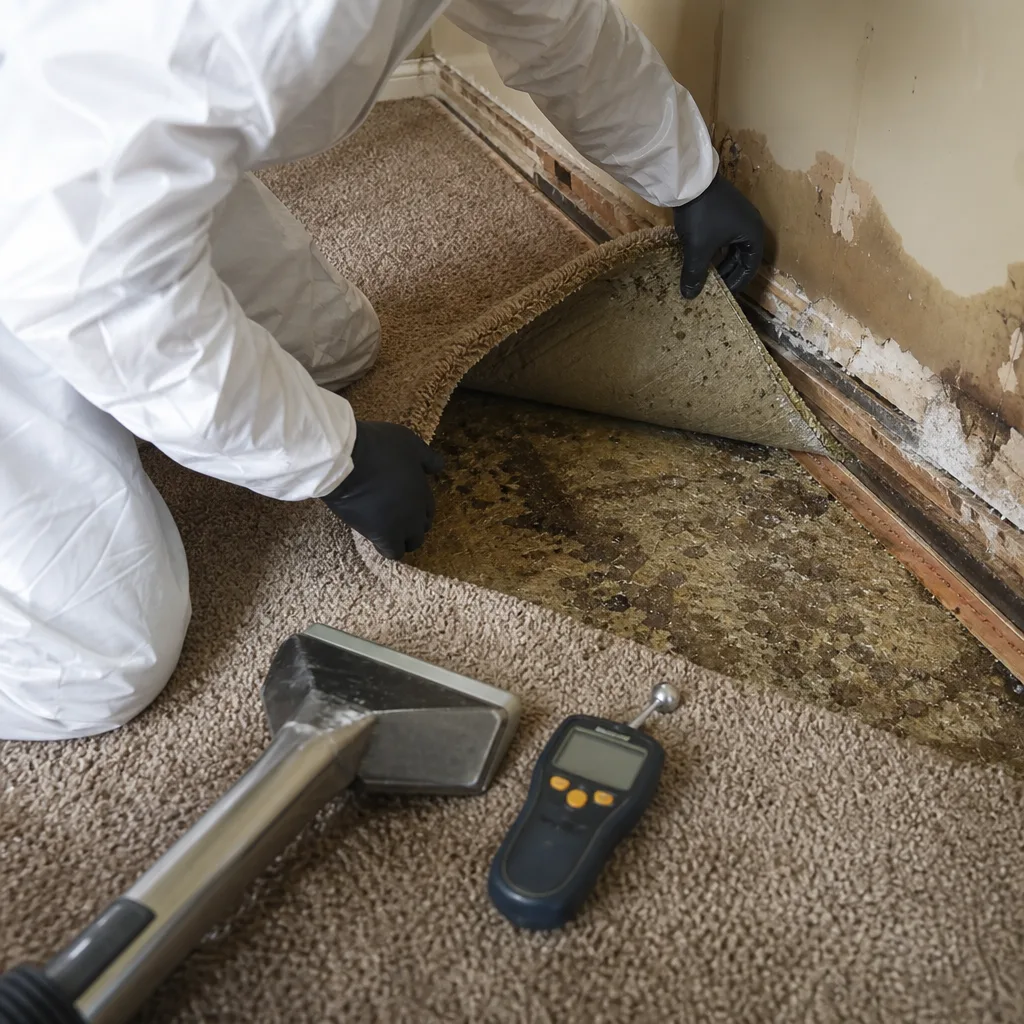
Encinitas straddles two permitting jurisdictions: properties within city limits pull permits through the City of Encinitas Development Services Department at City Hall on Vulcan Avenue; properties in unincorporated areas of the 92024 ZIP code fall under San Diego County Land Use and Environment Group. Most restoration projects in Encinitas proper use the city portal.
Step 1: Determine Jurisdiction
Verify whether your property address is within Encinitas city limits or unincorporated San Diego County. The city maintains an online address lookup tool; when we scope jobs in neighborhoods like Olivenhain or near the San Elijo Lagoon, we confirm jurisdiction before drafting the permit application.
Step 2: Prepare Documentation
Permit applications for restoration work require:
- A completed building permit application form
- Two sets of plans showing existing and proposed conditions, with dimensions
- A written scope of work describing all affected areas and materials
- Contractor license information (California C-57 Water Conditioning Contractor, B-General Building Contractor, or specialty license as applicable)
- Proof of workers’ compensation insurance
- Payment of permit fees based on valuation of work
For typical residential water damage reconstruction in Encinitas, permit fees range from $200-$800 depending on project valuation. Mold remediation requiring a separate health permit through San Diego County Environmental Health adds $150-$400.
Step 3: Submit and Review
City of Encinitas offers online submission through the Encinitas Citizen Access Portal for straightforward residential projects. Complex structural repairs or commercial properties typically require in-person plan review. Standard turnaround is 5-10 business days for residential; San Diego County’s timeline is similar for unincorporated areas.
Step 4: Inspection Scheduling
Once issued, the permit requires inspection at specific milestones:
- Pre-construction or demolition inspection: Verifies affected materials and scope match the approved plans
- Rough inspection: For electrical, plumbing, or structural work before concealment
- Final inspection: Confirms completed work meets code and matches approved scope
In Encinitas, inspections are scheduled through the city’s online system or by phone, with next-business-day availability typical for residential projects. Reinspection for minor corrections carries a $75-$150 fee. We document every inspection date, inspector name, and result in the job file - part of the photo record and drying log that accompanies every DryMark Restoration Encinitas project.
Mitigation vs. Reconstruction: The 32-Square-Foot Threshold
The distinction between mitigation and reconstruction is where most permit disputes originate. Insurance adjusters, contractors, and building officials do not always agree on classification, and the homeowner bears the consequence of misclassification.
Mitigation is emergency stabilization: extracting standing water, establishing psychrometric drying conditions (controlled temperature, humidity, and air movement measured with calibrated meters), and removing unsalvageable materials to expose the structural cavity for drying. Mitigation produces daily moisture logs showing vapor pressure differential and specific humidity readings - the documentation that proves drying progress to insurers.
Reconstruction is permanent repair: installing new drywall, painting, flooring, cabinetry, electrical fixtures, or plumbing. Once mitigation ends and reconstruction begins, permit rules apply in full.
The 32-square-foot drywall threshold creates a gray zone. A standard 8-foot ceiling with a 24-inch flood cut removes 16 square feet per linear foot of wall. Two linear feet of wall exceeds the threshold. In practice, this means virtually any room with wet drywall below the flood-cut line requires permitting for reconstruction - even when the actual “repair” seems minor.
We address this in our written scopes by clearly separating mitigation line items from reconstruction line items, with permit costs itemized under reconstruction. This transparency serves two purposes: it satisfies Haven Standard, Clause 1 (written price before work begins), and it gives the adjuster a clean file for claim documentation. A scope that commingles mitigation and reconstruction without noting permit requirements invites post-claim disputes.
Encinitas coastal climate adds a local variable. Properties within a mile of the Pacific - in Leucadia, Cardiff-by-the-Sea, or along Encinitas Boulevard - experience higher ambient humidity and salt-air corrosion that can extend drying timelines. Extended drying does not change permit requirements, but it can blur the mitigation-reconstruction timeline if contractors rush to reconstruction before achieving dry standard (typically 12-16% moisture content for wood framing in this climate, verified with pin-type meters).
Mold Remediation & Asbestos: Health & Safety Code Requirements
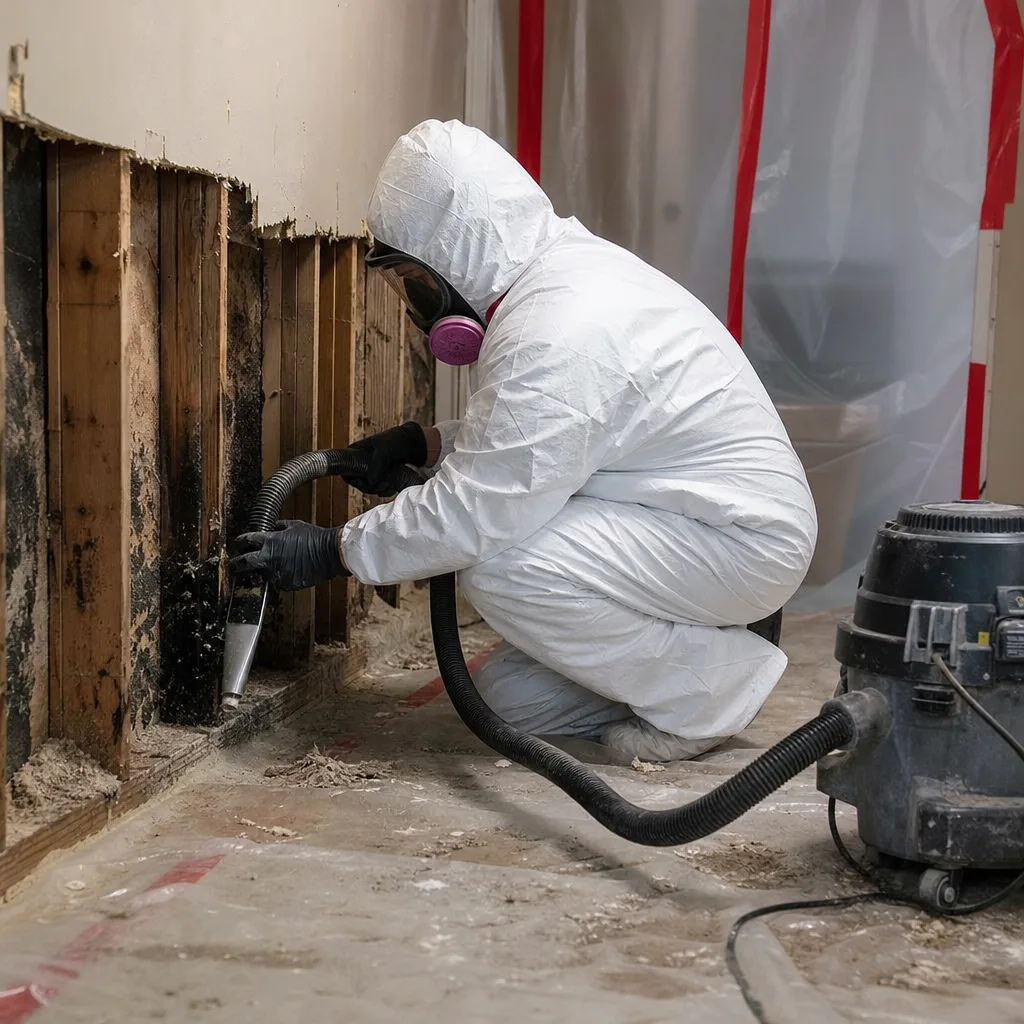
Mold and asbestos operate under California Health & Safety Code independently of the Building Code permit framework. These are the rules that catch restoration contractors and homeowners most off-guard.
Mold Remediation: The 100-Square-Foot Rule
California Health & Safety Code Section 26103 requires a mold assessment and remediation plan prepared by a licensed assessor for any project involving more than 100 square feet of visible mold growth. This is not a building permit; it is a separate regulatory layer administered by local environmental health departments.
In San Diego County, this means:
- Projects under 100 square feet of visible mold may proceed with standard restoration contractor protocols, documented to IICRC S520 standards
- Projects exceeding 100 square feet require a California-licensed mold assessor (not the remediation contractor) to prepare a work plan, which the contractor must follow
- Post-remediation verification by the assessor is required before clearance
- The assessor and remediation contractor must be separate entities - no self-clearance
The 100-square-foot threshold is cumulative across contiguous areas, not per room. A water loss affecting three closets in an Encinitas home, each with 40 square feet of visible mold, triggers the assessment requirement even though no single room exceeds the limit.
We regularly encounter competitor estimates that ignore this separation requirement. A contractor who offers “free mold testing” and then performs the remediation is operating outside California law. Our documentation includes the assessor’s work plan, our remediation protocol, and the post-remediation clearance report - three separate documents that together satisfy insurer requirements and protect the homeowner from future liability.
Asbestos: Age of Structure Determines Risk
California Code of Regulations Title 8, Section 1529 requires asbestos survey before disturbing any building material in structures built before 1981. Encinitas has significant pre-1981 housing stock, particularly in the original Leucadia and downtown Encinitas neighborhoods.
Key requirements:
- Before removing drywall, flooring, ceiling texture, or insulation, the contractor must obtain a survey from a California-certified asbestos consultant
- If asbestos is present, abatement must follow Cal/OSHA and EPA NESHAP standards, with notification to San Diego County Air Pollution Control District for quantities exceeding regulatory thresholds
- DIY asbestos disturbance is prohibited; only Cal/OSHA-registered asbestos contractors may perform abatement
- Improper asbestos handling carries penalties of $5,000-$25,000 per day and potential criminal liability
The asbestos survey is not optional “due diligence” - it is a legal prerequisite. We obtain surveys on every pre-1981 job and include the cost in our written scope. Competitors who skip this step expose homeowners to liability that persists long after the contractor has left.
How Permits Affect Insurance Claims and Coverage
This is where permit compliance moves from bureaucratic inconvenience to financial protection. The relationship between permits and insurance operates in three dimensions: claim payment, coverage validity, and resale disclosure.
Claim Payment: Permits as Documentation
A permitted repair creates a public record that supports your claim. The permit application, approved plans, inspection sign-offs, and final certificate of occupancy or completion form a third-party-verified documentation trail. When an adjuster questions whether work was actually performed or performed to standard, the permit file provides independent confirmation.
Conversely, unpermitted work lacks this verification. We have reviewed claim denials where carriers reduced reconstruction payments by 30-50% because the contractor could not produce permit documentation to substantiate that work met code. The homeowner paid the difference out of pocket - or lived with incomplete repairs.
Coverage Validity: The Subsequent Loss Problem
Insurance policies contain a “concealment or fraud” provision and often a “maintenance and construction standards” clause. Unpermitted structural repairs can give carriers grounds to deny subsequent related claims. Example: a homeowner in Encinitas has unpermitted drywall replacement after a water loss. Two years later, a new leak affects the same wall. The carrier discovers the prior unpermitted work and denies the new claim, arguing that improper repair contributed to the new damage or that the policy was voided by failure to disclose unpermitted modifications.
This is not theoretical. We have been called to document losses where exactly this scenario occurred. The permit file would have prevented the coverage dispute.
Resale Disclosure: Material Fact Obligations
California Civil Code Section 1102 requires sellers to disclose material facts affecting property value or desirability. Unpermitted structural work is a material fact. Failure to disclose can result in post-sale liability to the buyer, including rescission or damages.
A permitted repair with final inspection creates a clean chain of title documentation. An unpermitted repair creates a latent disclosure obligation that may surface during buyer due diligence - often with a demand for retroactive permitting, correction, or price reduction.
Our documentation package for every reconstruction job includes permit copies, inspection records, and the final sign-off. We deliver this to the homeowner at job completion, not upon request. It becomes part of their property file, alongside our photo record and drying logs.
What to Ask Your Contractor Before Signing
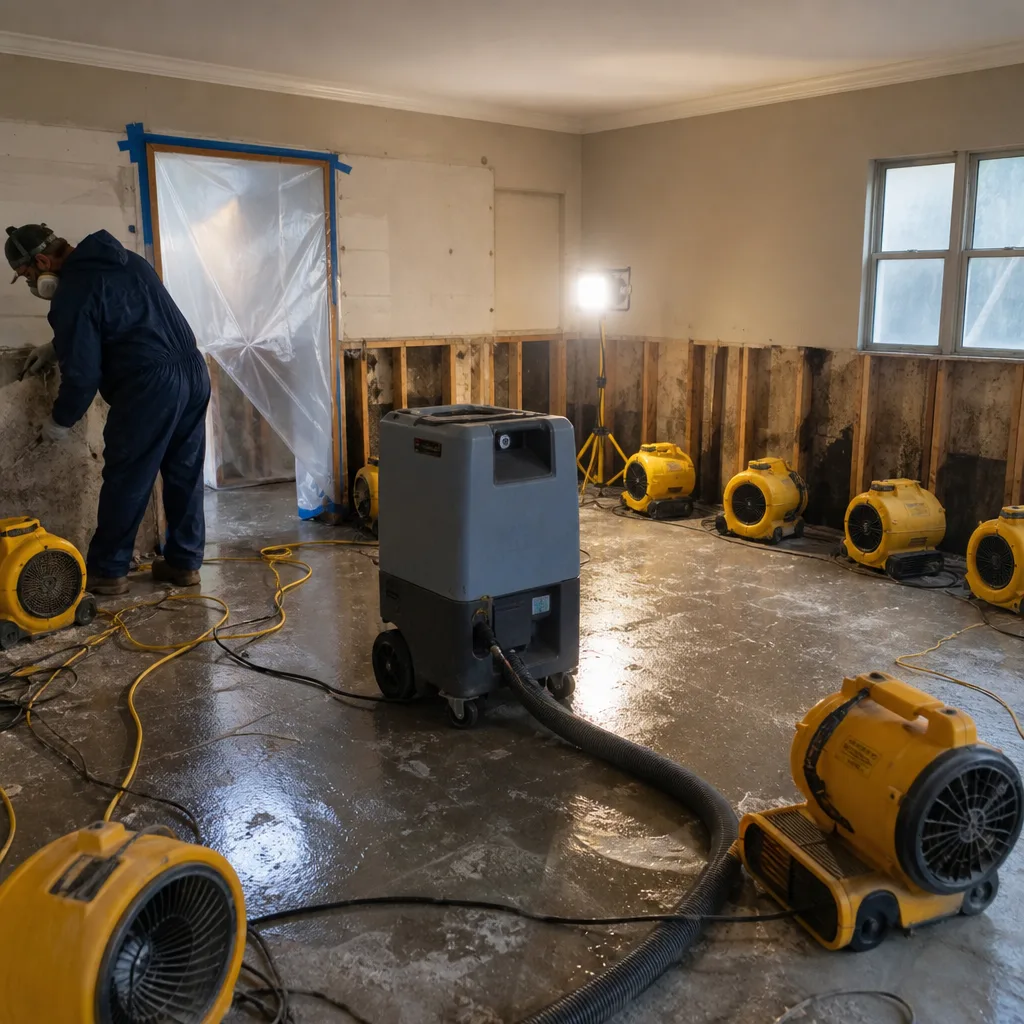
Permit responsibility should be explicit in every restoration contract. Before any work begins, ask these questions - drawn from our step-by-step guide on hiring a damage restoration contractor in Encinitas - and demand written answers:
- “Will you pull all required permits, or is that my responsibility?” The answer should be unambiguous. At DryMark Restoration Encinitas, we pull permits for all reconstruction work we perform and itemize the cost in our written scope. Haven Standard, Clause 1 requires this transparency.
- “What is your license classification, and is it appropriate for this scope?” California contractors must hold the correct license for the work performed. A C-57 (Water Conditioning) or C-61/D-64 (Non-specialized) license is insufficient for structural reconstruction; B-General Building or appropriate specialty licenses are required. Verify at CSLB.ca.gov.
- “Will you provide copies of all permits, inspection records, and final sign-offs?” These documents belong to the homeowner. We include them in our standard deliverable package with the photo record, drying logs, and signed warranty.
- “How do you handle mold assessment requirements?” If mold exceeds 100 square feet, the contractor should describe the third-party assessor relationship and show you the assessor’s license. Any contractor who says they “handle everything in-house” is violating California law.
- “What asbestos survey do you have for this property?” For pre-1981 structures, the contractor should produce a survey from a California-certified asbestos consultant before disturbing materials. No survey, no demolition.
- “Is permit cost included in your written price?” If the contractor cannot state the permit cost or says “we’ll figure that out later,” the price is not written and Clause 1 is not satisfied. Our scopes include permit fees based on current Encinitas and San Diego County fee schedules.
Verify permit status independently. Both the City of Encinitas and San Diego County offer online permit lookup tools. Enter your address and confirm that active permits match the scope described in your contract. We provide permit numbers in our written scopes specifically to enable this verification.
Common Mistakes to Avoid
- Assuming emergency work exempts everything. The 72-hour emergency notification covers stabilization only. Permanent repair still requires permitting. We have seen homeowners in Encinitas cited months after a loss because the contractor never returned to pull the reconstruction permit.
- Accepting “permit not required” at face value. Verify the claim against CBC Section 105. A contractor who avoids permitting to save time or fee costs transfers all liability to you. Ask for the specific code section supporting the exemption.
- Commingling mitigation and reconstruction in one contract. This obscures permit triggers and complicates insurance documentation. Our scopes separate these phases with distinct line items, prices, and documentation requirements.
- Ignoring the mold assessor separation rule. A contractor who offers “free testing” and then performs remediation is violating Health & Safety Code. This voids your documentation for insurance and creates liability if remediation fails.
- Skipping asbestos survey on pre-1981 properties. Encinitas neighborhoods like Leucadia and downtown have extensive pre-1981 housing. Disturbing asbestos without survey and proper abatement exposes you to penalties and health liability.
- Failing to obtain final inspection sign-off. An open permit becomes a cloud on title. Verify online that your contractor obtained final inspection before making final payment. We do not request final payment until the permit is finaled.
- Not documenting permit records for resale. Keep permit files with your property records. Our deliverable package includes these documents formatted for long-term storage.
When to Call a Professional
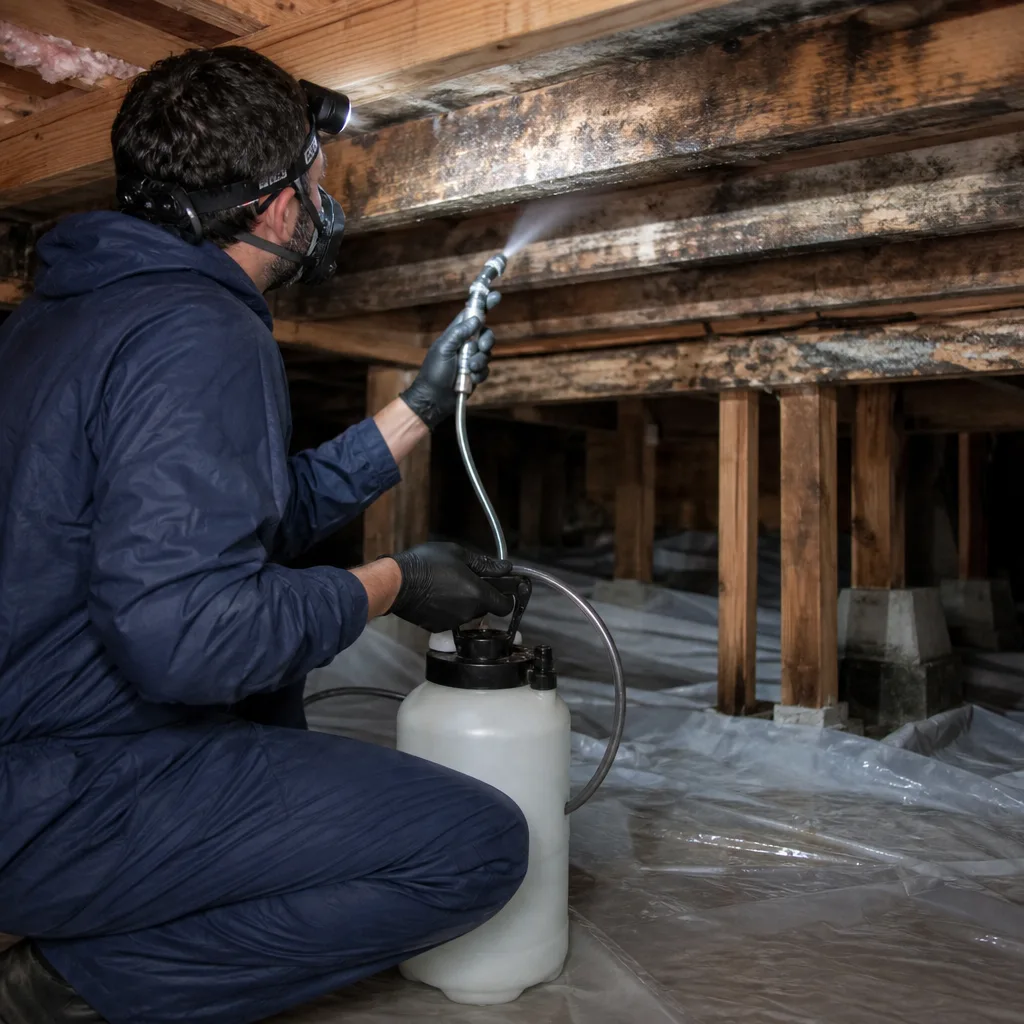
Call a licensed restoration professional when your loss involves structural materials, exceeds the 32-square-foot drywall threshold, includes visible mold growth, or affects a structure built before 1981. These are not DIY determinations - they require moisture mapping with calibrated meters, material classification, and code knowledge that most homeowners do not maintain.
Specific scenarios that warrant immediate professional assessment in Encinitas: slab leaks in coastal properties where salt intrusion accelerates corrosion; second-story water losses affecting multiple rooms; any fire or smoke damage involving structural members or HVAC systems; sewage backups requiring Category 3 water protocol; and storm damage with roof or window compromise where emergency tarping transitions to permanent repair.
DryMark Restoration Encinitas offers free estimates in Encinitas and North County San Diego. Every estimate includes a written scope with permit requirements identified, a photo-documented assessment, and our Free Second Opinion on any competitor’s written estimate. Explore more guides & resources on our blog. Call (760) 454-2594 to schedule. Live person answers every call, 24 hours a day, 7 days a week - no voicemail on emergency lines.
Frequently Asked Questions
No. Pure mitigation - extraction, air movement, dehumidification, and limited material removal under 32 square feet - does not require a building permit under California Building Code Section 105.2. Once reconstruction begins, permitting applies. Call (760) 454-2594 for a written scope that identifies exactly where your project crosses that threshold.
City of Encinitas typically reviews residential restoration permits in 5-10 business days; San Diego County’s timeline is similar for unincorporated areas. Emergency work may proceed with 72-hour notification to the building official. We schedule permit applications concurrently with mitigation to avoid reconstruction delays.
Most standard homeowner policies cover “reasonable costs to repair” which includes permit fees required by code. However, carriers may deny permit-related costs if the work was performed without required permits or by an unlicensed contractor. Our written scopes itemize permit fees separately for clean adjuster documentation.
You may face code enforcement citation, difficulty selling the property, and potential claim denial for subsequent related losses. Remedies include retroactive permitting (often requiring exposed inspection of concealed work), correction by a licensed contractor, and in severe cases, removal and replacement of unpermitted work. We have assisted homeowners with permit remediation after competitor failures - documentation gaps that our standard process prevents.
Not always - only for projects exceeding 100 square feet of visible mold growth or involving HVAC contamination. Below that threshold, a licensed restoration contractor may perform remediation under IICRC S520 protocol. We identify the assessor requirement in our written scope and coordinate with California-licensed assessors when triggered.
Check the City of Encinitas Citizen Access Portal or San Diego County online permit lookup using your property address. Active permits show application date, scope, contractor, and inspection status. We provide permit numbers in every written scope specifically to enable this verification - transparency that Haven Standard, Clause 1 requires.
The Bottom Line
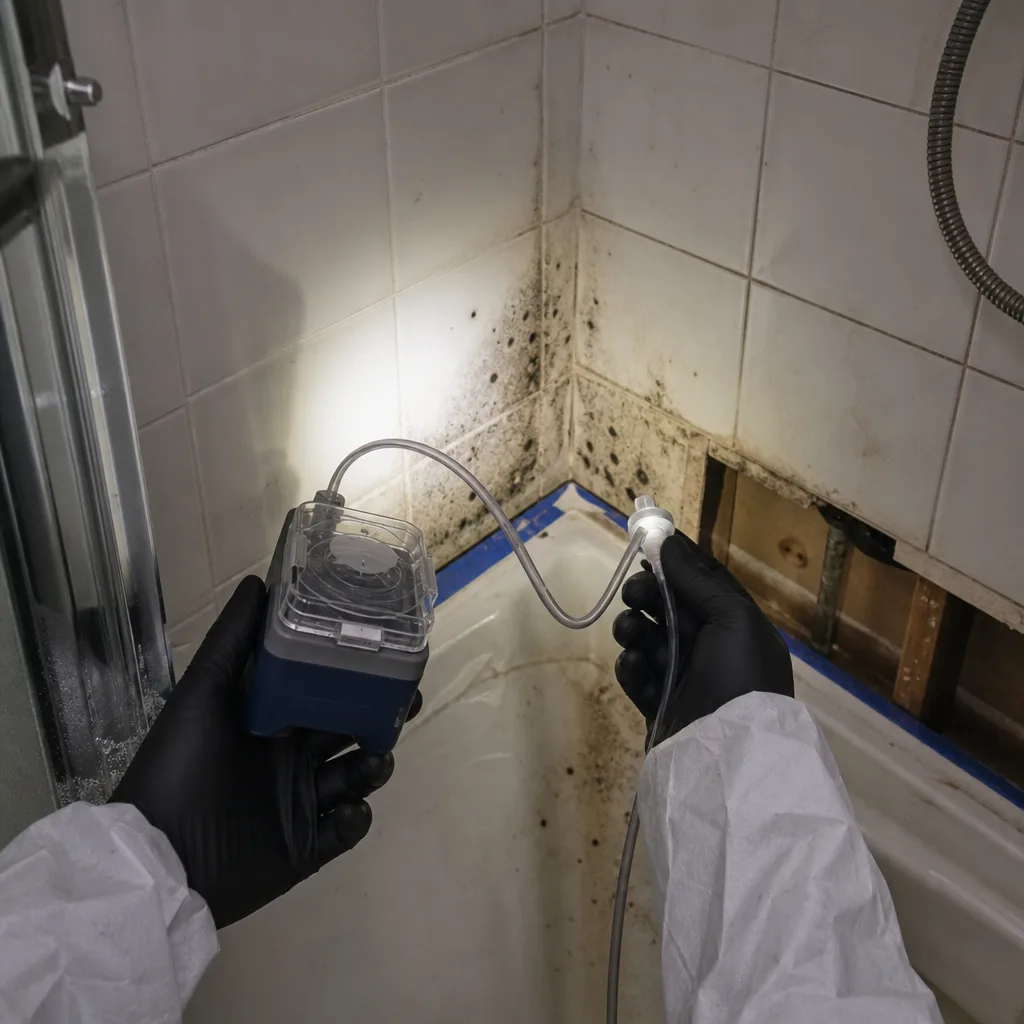
Permit compliance in California restoration is not administrative overhead - it is financial protection. The 32-square-foot drywall threshold, 100-square-foot mold assessment trigger, and pre-1981 asbestos survey requirement create specific compliance obligations that competent contractors address in writing before work begins. Unpermitted work voids insurance coverage, creates resale liability, and exposes homeowners to code enforcement. In Encinitas and North County San Diego, the permit process is straightforward when handled correctly: identify jurisdiction, prepare documentation, submit through the appropriate portal, and obtain final inspection. The contractor who treats permits as your problem is a contractor who has not accepted liability for the work they propose to perform. Demand written confirmation of permit responsibility, verify independently, and retain all documentation for your property file.
Written by Alicia Brennan, Owner at DryMark Restoration Encinitas, serving Encinitas since 2011.