
Last updated September 23, 2026
Free visual inspection and a written scope of work before any mitigation begins - photos, moisture readings, and drying logs go in your claim file
The scope we write is the scope we bill. Anything new gets shown to you, in writing, before we touch it.
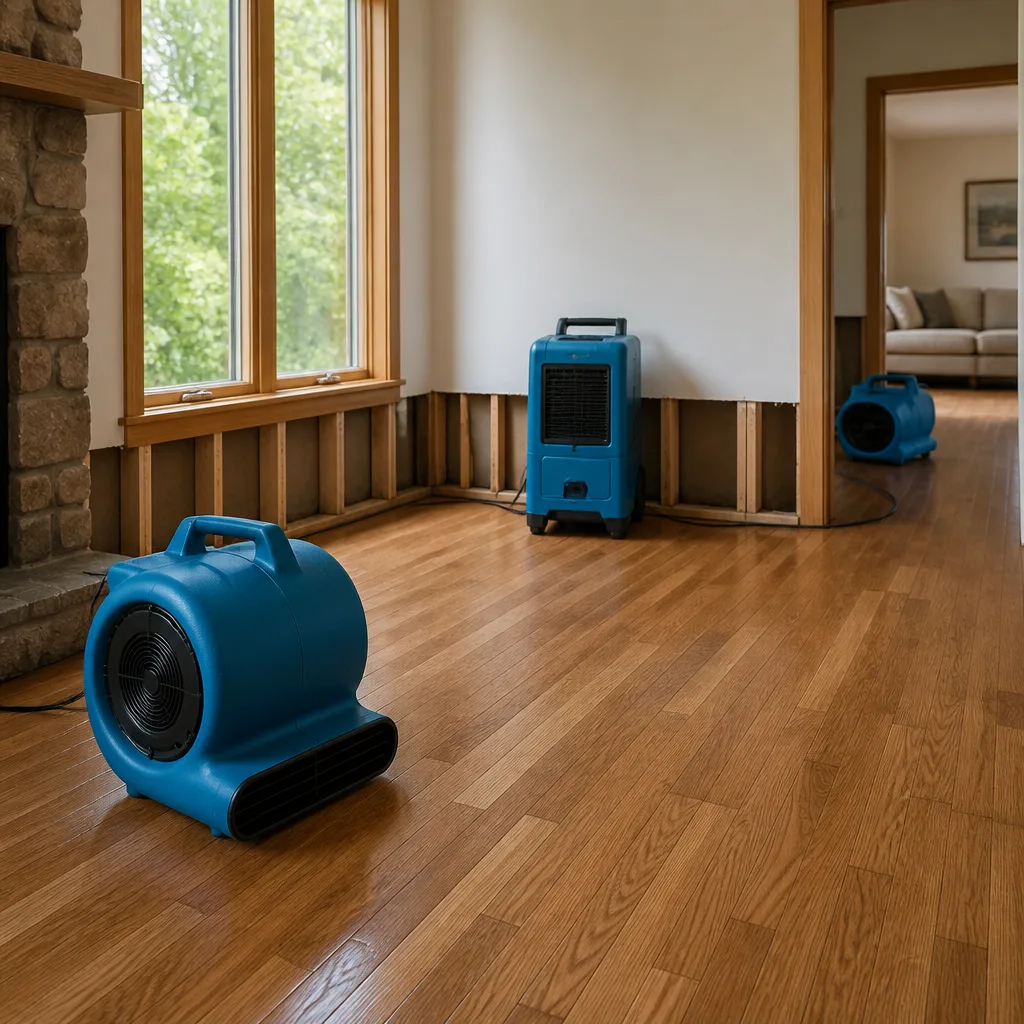



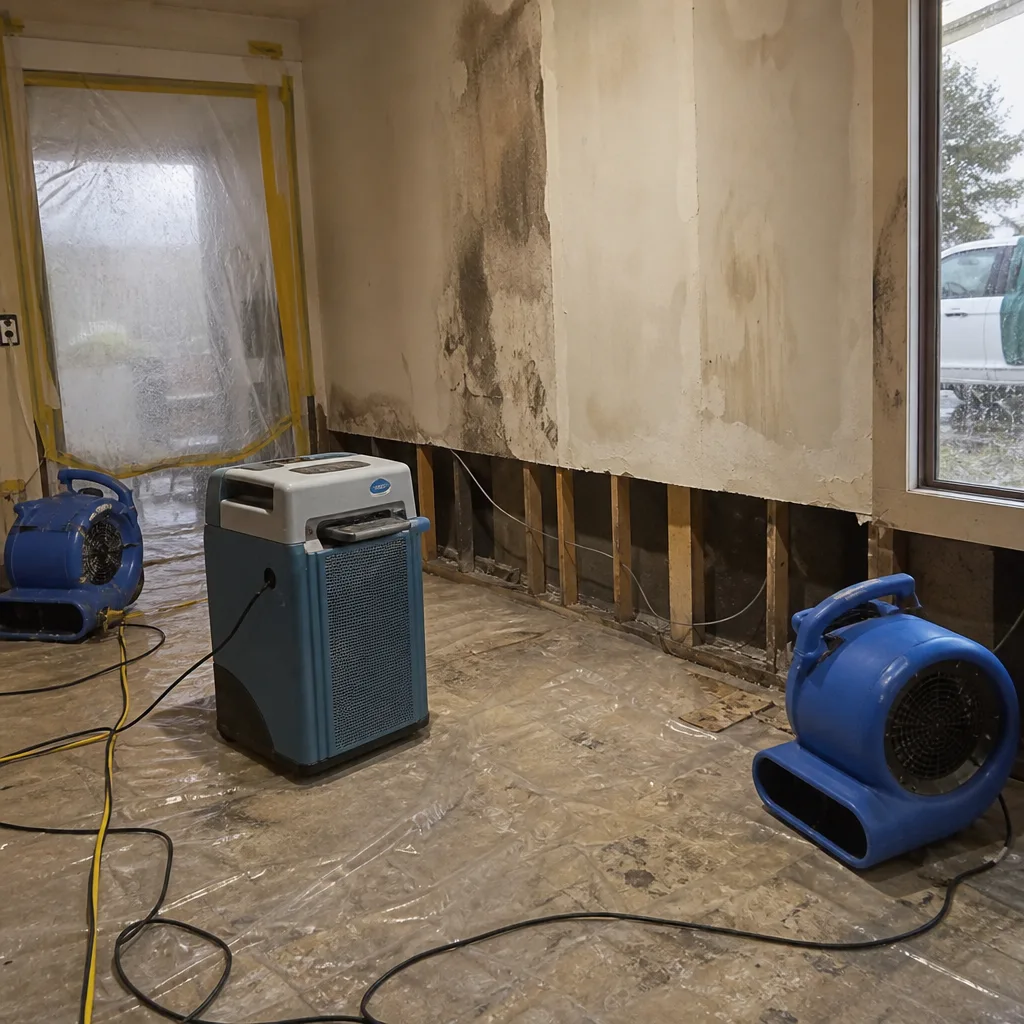 Before
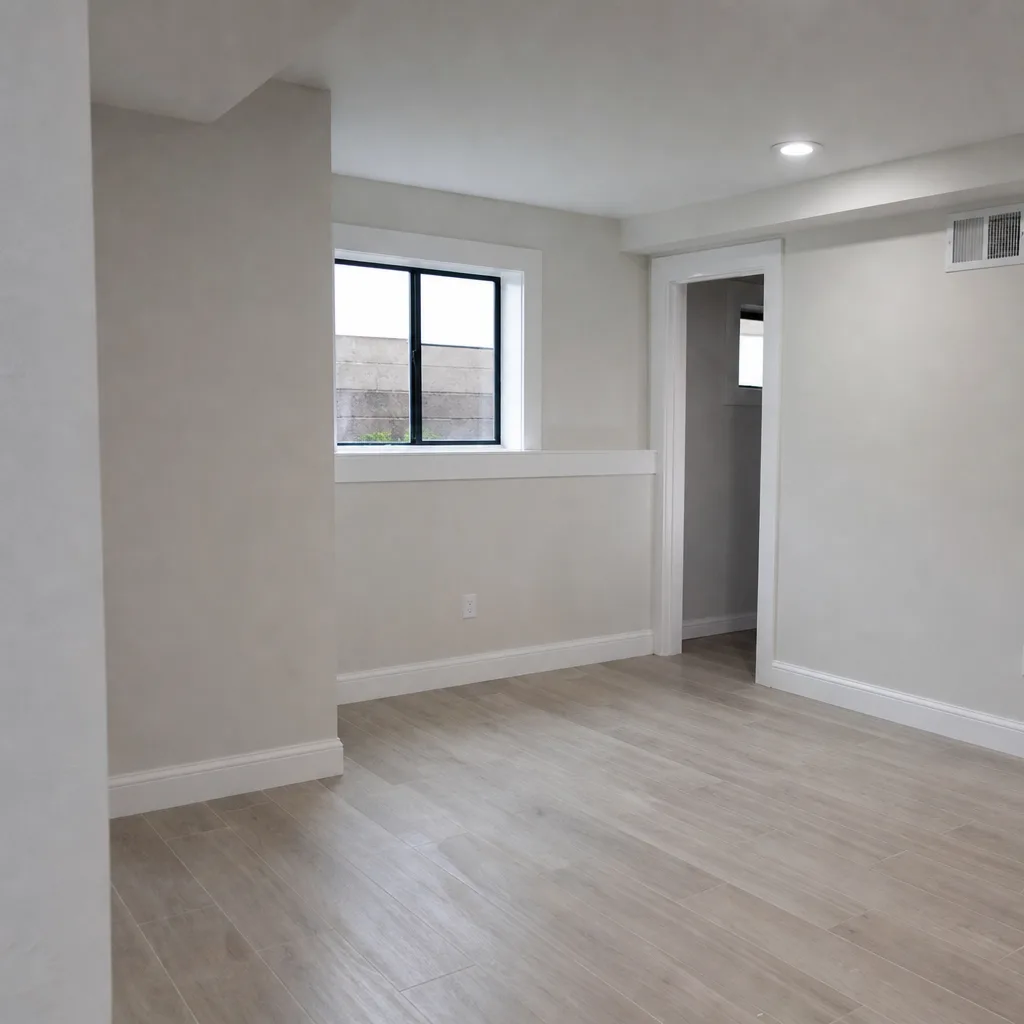 After
After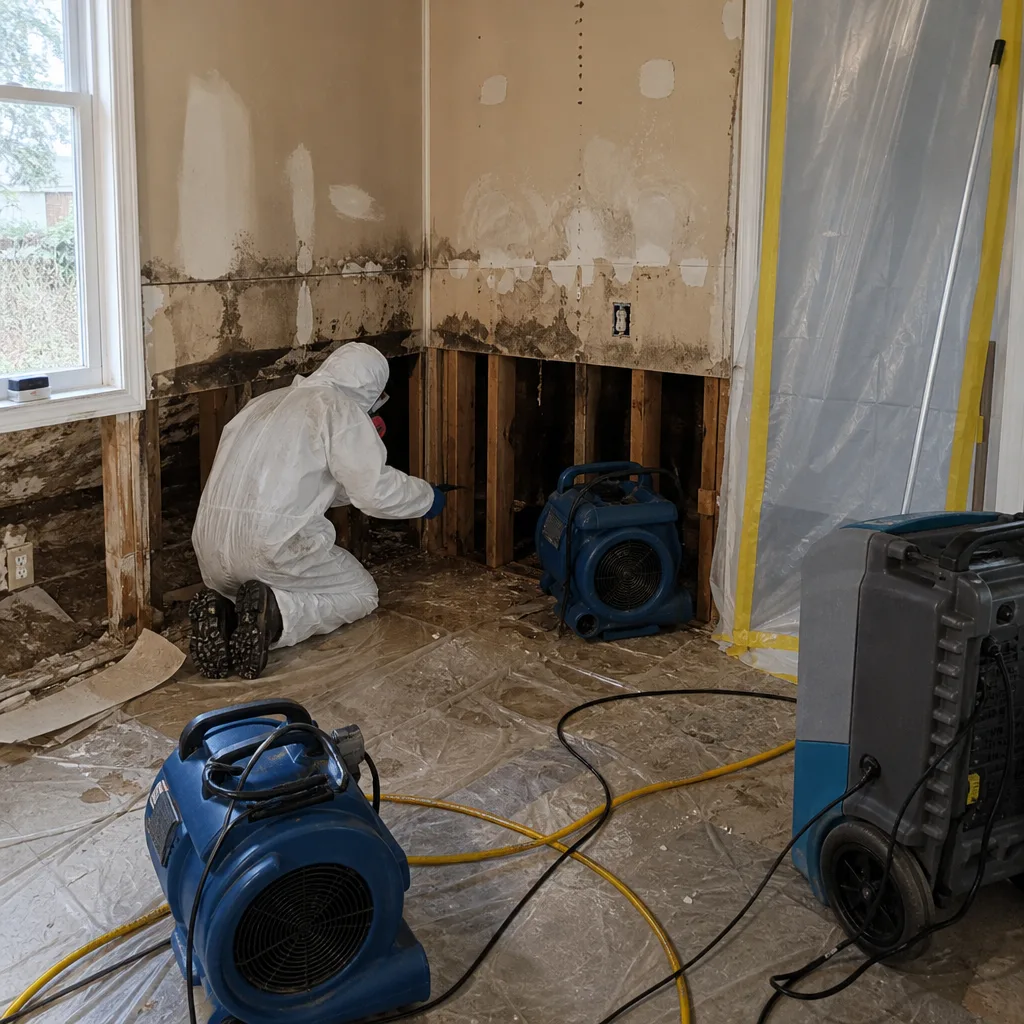 Before
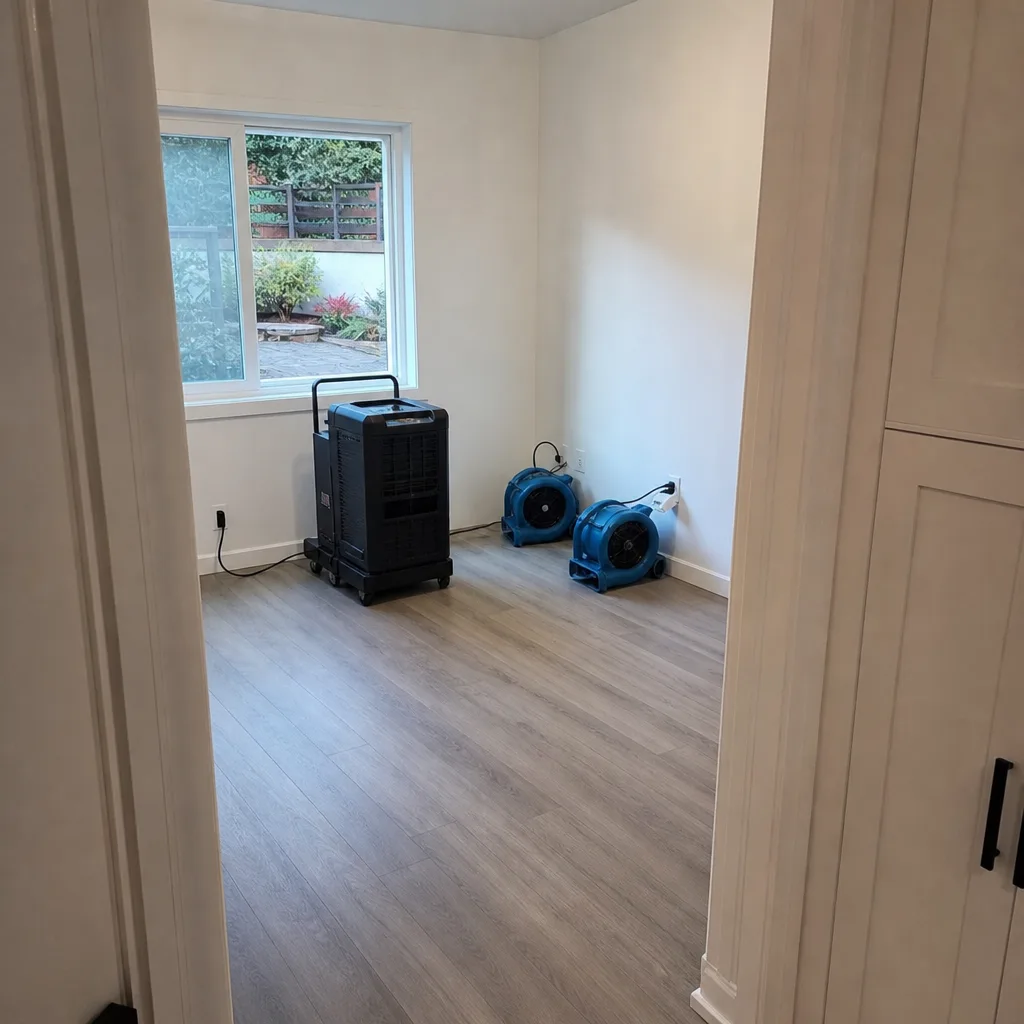 After
AfterDamage Restoration Warning Signs: A Encinitas Homeowner’s Reference Guide
A musty smell in an Encinitas home isn’t a warning sign - it’s a confirmation. The actual warning signs are the moisture readings between 17% and 28% on the wood framing behind the wall, which appear weeks before the smell does. Most homeowners in Encinitas learn to recognize water damage only after drywall warps or mold blooms, by which point the average mitigation bill has climbed past $4,800 and the underlying structural damage has already begun. This guide teaches you to read the measurable precursors: the specific moisture thresholds, visual indicators, and environmental conditions that signal active intrusion before visible failure. For seasonal damage restoration care tailored to Encinitas, understanding these baselines is essential. You’ll learn which readings demand immediate professional assessment, which call for monitoring, and how to document both in a format that supports a future insurance claim.
Quick Answer
Water damage warning signs in Encinitas homes fall into three measurable categories: elevated moisture readings (wood framing above 17%, drywall above 1% above baseline, concrete slabs above 3.5 lbs/1000 sq ft/24hr via calcium chloride test), visual indicators that pair with specific readings (efflorescence above 75% relative humidity, paint bubbling above 80% RH), and environmental anomalies (indoor RH sustained above 60% in winter, vapor pressure differential exceeding 0.3 inches of mercury between interior and crawl space). Marine layer condensation on exterior walls - common in Encinitas from May through October - produces false positives that require a pinless moisture meter to distinguish from active leaks.
Table of Contents
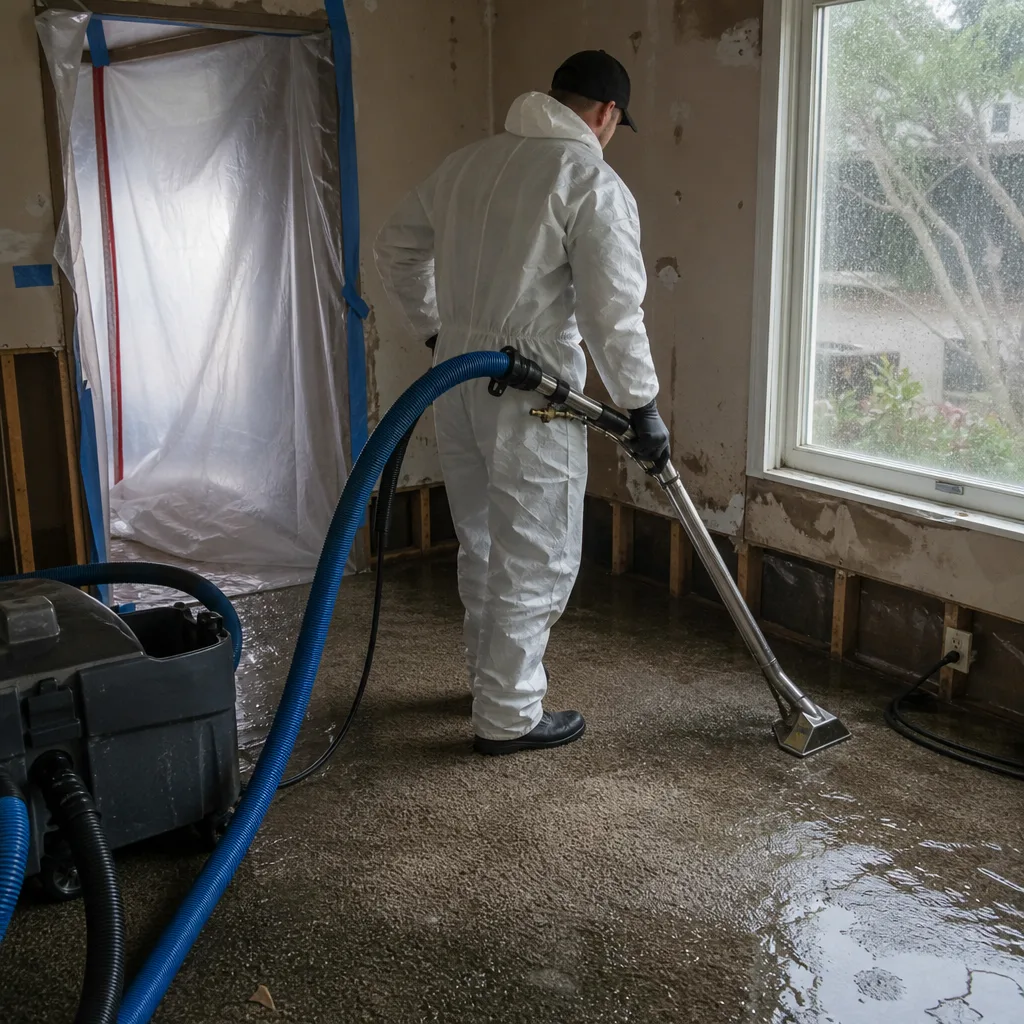
- Material-Specific Moisture Thresholds That Separate Normal from Problem
- Visual Indicators and the Readings That Confirm Them
- Encinitas-Specific False Positives: Marine Layer and Coastal Condensation
- How to Photograph and Date Warning Signs for Insurance Claims
- Monitoring vs. Immediate Assessment: A Measurable Decision Rule
- Warning Signs Beyond Water: Mold, Fire, and Storm Damage
- Common Mistakes to Avoid
- When to Call a Professional
- Frequently Asked Questions
 Before
 After
AfterMaterial-Specific Moisture Thresholds That Separate Normal from Problem
Every material in your Encinitas home has an equilibrium moisture content (EMC) - the percentage of water it holds when balanced with the surrounding air. Coastal Southern California runs drier than most homeowners assume: interior wood in Encinitas typically stabilizes between 9% and 12% moisture content (MC) year-round, even with marine layer influence. When readings climb above established baselines, microbial growth becomes possible and structural degradation accelerates.
Wood framing and structural lumber: Normal range is 9-14% MC in Encinitas. At 15-16%, conditions favor mold spore germination on cellulose surfaces. At 17-20%, we begin finding active fungal growth in wall cavities within 72-96 hours if temperatures exceed 65°F. Above 20%, wood rot fungi (brown rot, white rot, soft rot) establish and begin compromising structural integrity. We use pin-type meters with insulated probes to read at depth; surface readings on painted or sealed lumber are unreliable. In a 2023 job in Leucadia, we recorded 23% MC on garage ceiling joists where a bathroom exhaust vent terminated in the attic. The homeowner had noticed nothing except a slight stickiness on the garage floor - the joists were six weeks from visible sag.
Drywall and gypsum board: Baseline in conditioned Encinitas homes runs 0.3-0.5% MC by weight. Drywall is highly sensitive: at 1% above baseline (roughly 1.5% total), paper facing begins to lose adhesion. At 2-3%, the gypsum core begins to dissolve and weaken. At 5%, mold colonization is nearly certain within 48-72 hours. We measure drywall with pinless meters set to gypsum scale, or with pin meters with 5/16″ penetration depth to read through paint. A reading of 2.1% on a bathroom ceiling in Cardiff, paired with a thermal camera showing a 4°F temperature differential, revealed a failed wax ring that the homeowner had attributed to “steamy showers.”
Hardwood flooring: Engineered and solid hardwood in Encinitas homes typically equilibrates at 6-9% MC. Cupping (edges raised, center depressed) appears at 10-12% as the bottom of the board swells faster than the top. Crowning (center raised, edges depressed) follows prolonged exposure above 14%, often after a failed drying attempt that left the subfloor wetter than the surface. Buckling, where boards lift from the subfloor entirely, typically occurs above 16% MC. Critical distinction: cupping from ambient humidity resolves as conditions normalize; cupping from subfloor moisture persists or worsens. We verify with a moisture meter set to wood scale, reading both the surface and - via drilled access holes or baseboard removal - the subfloor beneath.
Concrete slab and foundation: Concrete never reads “dry” in the sense wood does. We test slab moisture using the calcium chloride test (ASTM F1869), which measures moisture vapor emission rate (MVER) in pounds per 1,000 square feet per 24 hours. In Encinitas, baseline for slabs above the water table runs 1.5-2.5 lbs. Readings above 3.5 lbs indicate active moisture transmission that will compromise flooring adhesives and promote mold in vapor-impermeable assemblies. Above 5 lbs, we consider the slab actively wet and investigate perimeter drainage, plumbing leaks, or rising damp from hydrostatic pressure. In a 2022 Olivenhain job, a reading of 7.2 lbs traced to a fractured irrigation line 18 inches below the slab - the homeowner had installed luxury vinyl plank six months earlier, which trapped the moisture and produced a musty smell the HVAC distributed through the whole house.
Key takeaway: Single readings are snapshots; trending matters more. We recommend homeowners in Encinitas establish baseline readings during dry months (September-November), then re-check quarterly with the same meter, same locations, same depth settings. A 3-point rise from baseline on any material warrants investigation, regardless of whether the absolute number seems alarming.
Visual Indicators and the Readings That Confirm Them
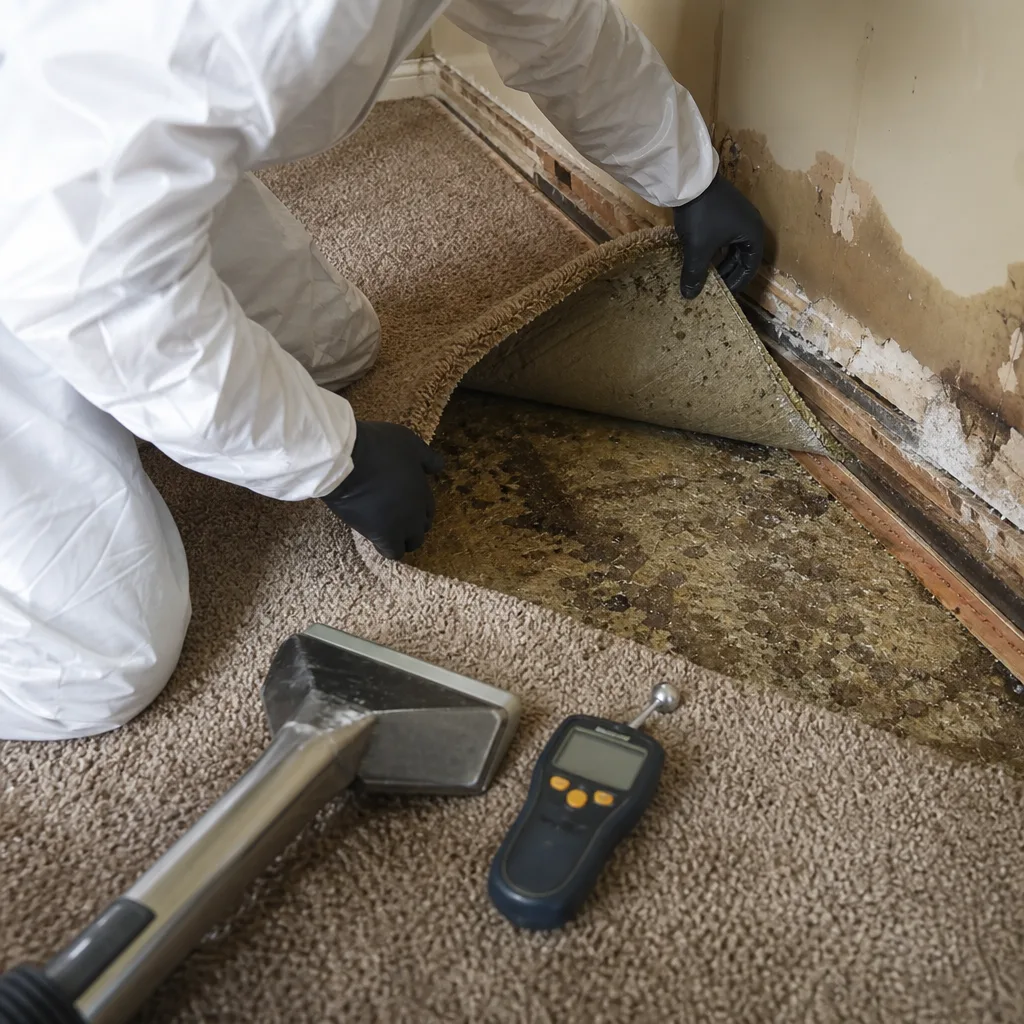
Every visible warning sign corresponds to a moisture condition that preceded it. Learning to pair what you see with what it measures lets you assess severity before calling for help - and prevents false alarms that waste time and money.
Efflorescence on concrete or masonry: The white, powdery deposit is soluble salts carried to the surface by evaporating water. It appears when the substrate behind it maintains relative humidity above 75% for sustained periods. In Encinitas, we see this frequently on retaining walls and garage slabs where irrigation overspray or failed perimeter drains create chronic wetting. The reading to confirm: surface RH above 75% with a thermo-hygrometer probe, or MVER above 3.5 lbs on slab. Efflorescence itself is cosmetic; the moisture driving it is not. A homeowner in New Encinitas photographed efflorescence spreading across a garage slab over eight months; by the time we tested, MVER had reached 6.8 lbs and the sill plate was reading 19% MC.
Paint bubbling or blistering: Latex paint begins to lose adhesion to drywall when the substrate RH exceeds 80%, or when drywall MC climbs above 2%. Bubbles form as water vapor pushes against the paint film from behind. Small, isolated bubbles (under 1/4 inch) often trace to humidity spikes in bathrooms or kitchens. Widespread bubbling, or bubbles that reappear after repainting, indicate chronic moisture. We verify with a pinless meter on gypsum scale and a thermal camera to locate the moisture front. In a 2024 Rancho Santa Fe-adjacent job, ceiling paint bubbling in a guest bedroom traced to a 0.3-gallon-per-hour leak in a radiant heating manifold - the thermal camera showed a 6°F spread, and moisture readings peaked at 4.2% on drywall.
Grout discoloration in tile assemblies: Cementitious grout darkens when its internal RH exceeds 70%, indicating the mortar bed or substrate behind it is wet. In Encinitas, this commonly follows failed shower pan membranes or inadequate waterproofing at tub surrounds. We test with a pinless meter on tile scale (which reads through grout to the substrate) or by removing a grout sample for direct measurement. Readings above 15% in the mortar bed confirm active saturation; above 20%, we expect to find degraded thinset and potential tile delamination. A critical distinction in coastal climates: surface condensation from cold tile can darken grout temporarily without substrate moisture. We differentiate by timing (condensation clears as tile warms) and by reading the mortar bed directly through weep holes or removed tiles.
Baseboard gaps or separation from wall: Wood baseboard swells when its MC rises above 14%, compressing against drywall and then shrinking as conditions normalize, leaving a gap. Alternatively, drywall swells from moisture and pushes the baseboard outward, creating a gap at the top edge. In Encinitas slab homes, we see this pattern frequently where slab edge dampness wicks into bottom plates. Confirm with: baseboard MC reading (pin meter, wood scale), drywall reading at baseboard height, and - if accessible - sill plate reading through a small drilled hole. Gaps above 1/16 inch that appear during winter and persist into spring suggest chronic, not seasonal, moisture.
Staining on ceilings or walls: Brown or yellow staining indicates prior water intrusion that has partially dried, leaving dissolved tannins and minerals. The stain boundary roughly maps the extent of saturation at peak wetting. We trace the active moisture front with thermal imaging (evaporative cooling creates temperature differentials of 2-8°F) and confirm with moisture meters. Critical: a dry stain is not a resolved problem. In a 2023 Encinitas Ranch job, a “dry” ceiling stain from a prior roof leak concealed a 16% MC rafter bay where mold had established during the wetting event and continued growing on residual moisture.
| Visual Sign | Confirming Reading | Action Threshold |
|---|---|---|
| Efflorescence | Surface RH >75% or MVER >3.5 lbs | MVER >5 lbs or MC >17% in adjacent wood |
| Paint bubbling | Drywall MC >2% or substrate RH >80% | Bubbling reappears after repair, or MC >3% |
| Grout darkening | Mortar bed MC >15% | MC >20% or tile sounds hollow |
| Baseboard gaps | Baseboard MC >14% or sill plate MC >17% | Gap >1/16″ and persists into dry season |
| Ceiling/wall staining | Peak wetting front within 24″ of stain boundary | Active moisture detected within stain perimeter |
Encinitas-Specific False Positives: Marine Layer and Coastal Condensation
Encinitas homeowners face a diagnostic challenge rare inland: the marine layer can mimic active water intrusion with remarkable fidelity. From May through October, saturated air masses move onshore overnight, depositing condensation on surfaces cooler than the dew point. Exterior walls, single-pane windows, and uninsulated slab edges all show moisture signatures that, misread, trigger unnecessary mitigation calls or worse - unnecessary demolition.
The condensation pattern: Marine layer condensation appears on exterior-facing surfaces only, forms overnight and dissipates by mid-morning, and produces surface wetness without elevating substrate moisture. We distinguish it with three measurements. First, a pinless moisture meter set to building materials scale: condensation yields high surface readings (often 30-60 on the reference scale) that drop to normal within 1/4 inch depth. Active intrusion yields elevated readings at depth. Second, a thermo-hygrometer measuring surface temperature versus dew point: condensation occurs when surface temperature is within 2°F of dew point. Active intrusion elevates dew point through evaporation from the wet substrate, but the surface temperature differential pattern differs. Third, timing: condensation resolves by 10 AM on most days; active intrusion persists.
False positive case study: In 2023, a homeowner in Leucadia called with “water running down exterior bedroom walls” during a prolonged June marine layer event. Surface readings with a consumer-grade pinless meter showed “wet” across the entire west-facing wall. Our assessment with a Delmhorst BD-2100 on drywall scale showed 0.6% MC at 1/2 inch depth - well within normal. The wall cavity, accessed through an outlet box, read 11.2% on wood scale. The “leak” was condensation on uninsulated stucco that wicked to the interior paint. Solution: improve exterior drainage plane continuity and add continuous insulation, not tear out drywall.
Slab edge condensation: Encinitas slabs near the coast, particularly in homes built before 1990 with minimal edge insulation, develop chronic condensation where the slab perimeter meets cool, humid air. This produces efflorescence, baseboard deterioration, and musty odors that resemble slab moisture intrusion. We differentiate with: calcium chloride testing away from the perimeter (true slab moisture) versus surface temperature and RH measurement at the edge (condensation). If the slab edge reads below 60°F on a marine layer morning while indoor air is 68°F and 65% RH, condensation is certain. Insulating the slab edge and improving perimeter drainage resolves it; sealing the slab with epoxy traps the moisture and worsens the problem.
Window and door surround confusion: Single-pane windows and aluminum-framed doors in Encinitas homes sweat heavily during marine layer events. Water pools on sills and tracks into wall cavities through weep holes or failed gaskets. This is real water in the wall, but it’s surface-derived, not plumbing- or roof-derived. We trace the moisture path with boroscope inspection: condensation-driven wetting shows clean water staining at the window head and jambs, with dry framing below. Roof leak wetting shows staining from top down, often with debris. Plumbing leak wetting is localized to the pipe route and shows consistent MC elevation along that path.
Practical rule for Encinitas homeowners: Any moisture sign that appears only on exterior surfaces, only overnight, and only from May through October is marine layer until proven otherwise. Document with dated photos, note time of observation, and re-check at 2 PM. If the sign persists into afternoon on a clear day, call for professional assessment.
How to Photograph and Date Warning Signs for Insurance Claims
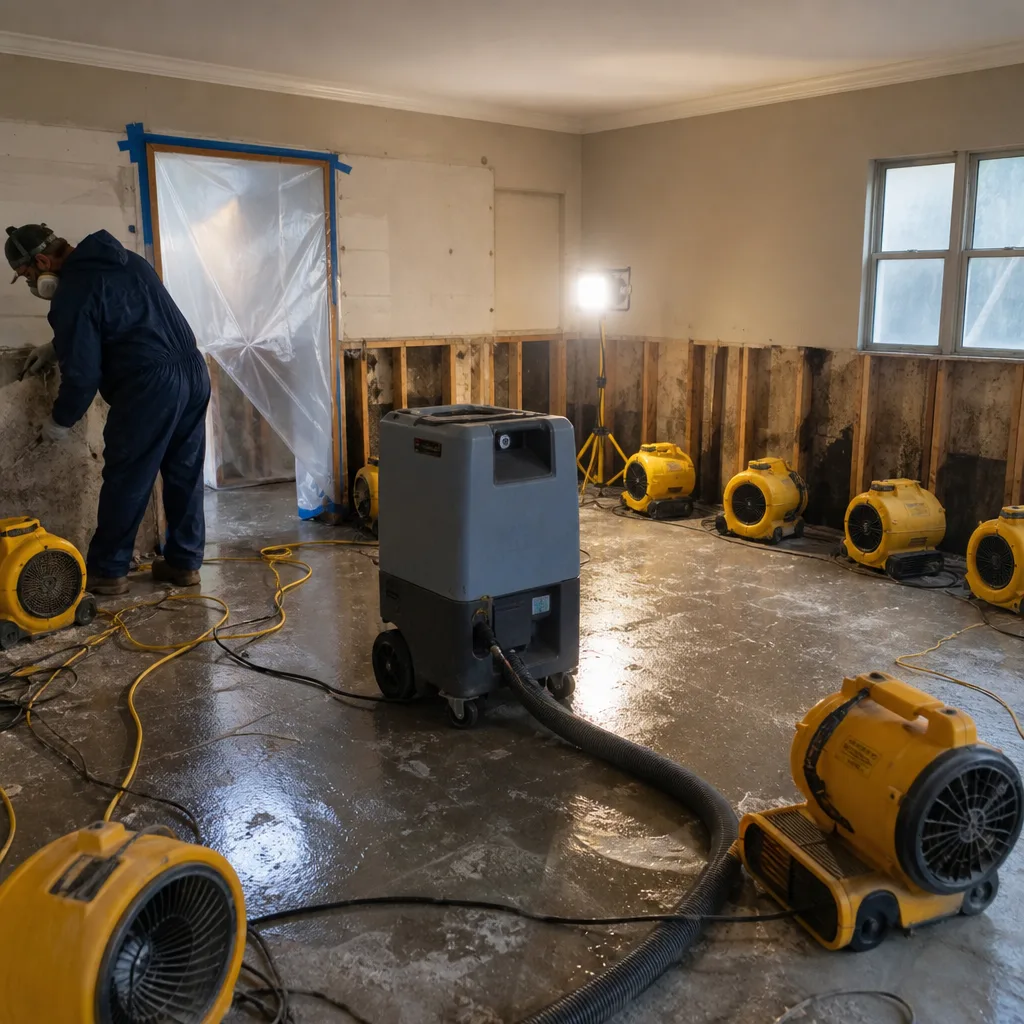
Insurance adjusters deny or reduce claims for pre-existing damage, gradual deterioration, and failure to mitigate. The documentation you create when you first notice a warning sign can determine whether your claim is paid in full, paid partially, or denied. We teach this to every Encinitas homeowner who calls for our Water Damage Restoration in Encinitas services, because the documentation gap is where most claims fail.
File naming convention: Use YYYY-MM-DD_Location_Description_Sequence.jpg. Example: 2024-06-15_MasterBath_CeilingStain_01.jpg. This sorts chronologically, locates the issue by room, and describes the finding. Never use “IMG_4732.jpg” or “photo.jpg.” Adjusters receive hundreds of images; searchable names demonstrate organization and credibility.
Required metadata: Enable location services on your phone camera before photographing. The GPS coordinates embedded in EXIF data establish the property location without dispute. If using a dedicated camera, set the date and time accurately; incorrect timestamps create evidentiary challenges. We recommend photographing with a phone for automatic metadata, then transferring to organized folders.
Context framing - the three-shot rule: Every warning sign requires three photographs. Shot 1: wide context showing the room, the affected area’s relationship to fixtures and boundaries, and any obvious source (window above, plumbing chase adjacent). Shot 2: medium frame showing the full extent of the sign - the entire stain, all bubbling paint, the complete efflorescence pattern. Shot 3: close detail with a measurement reference. Include a ruler, coin, or known-size object for scale. For moisture meter readings, photograph the meter display in contact with the material, with the material visible and the setting visible.
- Establish baseline documentation. During dry months (September-November in Encinitas), photograph all water-vulnerable areas: under sinks, around water heater, attic HVAC platform, ceiling below bathrooms, garage slab perimeter. These “before” images prove pre-loss condition if a claim arises.
- Document the first sign. When you notice a change, photograph immediately using the three-shot rule. Add a text note with: date and time of discovery, weather conditions, any recent events (plumbing work, heavy rain, irrigation change), and your own moisture meter reading if you have one.
- Document progression. Re-photograph weekly if the sign persists or changes. Same angles, same lighting, updated file names. Progressive documentation distinguishes sudden and accidental damage (covered) from long-term deterioration (often excluded).
- Document your response. Photograph any temporary mitigation: towels placed, fans positioned, dehumidifier settings. Insurance policies require policyholders to prevent further damage; your documentation proves you met this duty.
- Organize and backup. Create a folder structure: PropertyAddress/YYYY/WaterDamage_EventDate/. Upload to cloud storage within 24 hours. Local storage fails; phones are lost; claims unfold over months.
What we provide: When DryMark Restoration Encinitas assesses a home, our documentation protocol includes all of the above plus thermal imaging, moisture mapping with room-by-room readings, and a written scope with photo record before any work begins. This is standard, never an upsell. Our daily drying logs, produced with equipment from XPOWER and B-Air and documented to IICRC standards, become the evidence base that turns restoration invoices into payable claims.
Monitoring vs. Immediate Assessment: A Measurable Decision Rule
Not every elevated reading demands emergency response. Misallocated urgency wastes money; misallocated patience permits damage. We use a decision framework based on material, reading, trend, and source certainty.
Monitor: readings stable or declining, source known and controlled, no structural material at risk.
- Drywall MC 1.0-1.5% above baseline after a single humidity spike (overflowing tub, open window during rain) that has been corrected
- Wood framing MC 14-16% with no visible mold, declining trend over 48 hours, and confirmed source stopped
- Concrete slab MVER 3.5-4.5 lbs with no flooring at risk, stable over multiple tests, and no adjacent wood contact
- Any reading where you can state the source, the source is eliminated, and a recheck in 72 hours shows improvement
Monitoring protocol: Re-check with the same meter, same settings, same locations, every 72 hours for two weeks, then weekly for a month. Document each reading with date, time, and photograph. If readings plateau or rise, escalate to professional assessment. In Encinitas, we see many homeowners successfully monitor and resolve minor incidents - a toilet overflow caught in 30 minutes, a window left open during a winter storm - without professional intervention. For larger decisions, see our DIY vs Professional Damage Restoration guide for Encinitas homeowners.
Immediate professional assessment: readings rising, source unknown or uncontrolled, structural material involved, or any mold visible.
- Drywall MC above 3% or rising trend over 48 hours regardless of absolute value
- Wood framing MC above 17% or any reading above 20%
- Concrete slab MVER above 5 lbs, or any reading above 3.5 lbs with hardwood or adhesive-backed flooring installed
- Visible mold growth of any size - the visible colony represents a fraction of the actual colonization
- Musty odor with no identifiable source - this indicates established microbial volatile organic compound (MVOC) production, meaning active growth somewhere
- Any moisture sign accompanied by electrical symptoms: GFCI trips, dimming lights, outlet warmth - water and energized circuits create electrocution and fire risk
The HVAC factor: In Encinitas, many homes run air conditioning sparingly, relying on ocean breezes. This extends drying times dramatically. A reading that would resolve in 48 hours in a climate-controlled home may persist for two weeks in a naturally ventilated coastal property. When monitoring, compare your timeline to conditioned-home baselines and extend accordingly. If in doubt, call for assessment - our DryMark Restoration Encinitas home page lists our emergency line, and we answer live 24 hours a day.
Warning Signs Beyond Water: Mold, Fire, and Storm Damage
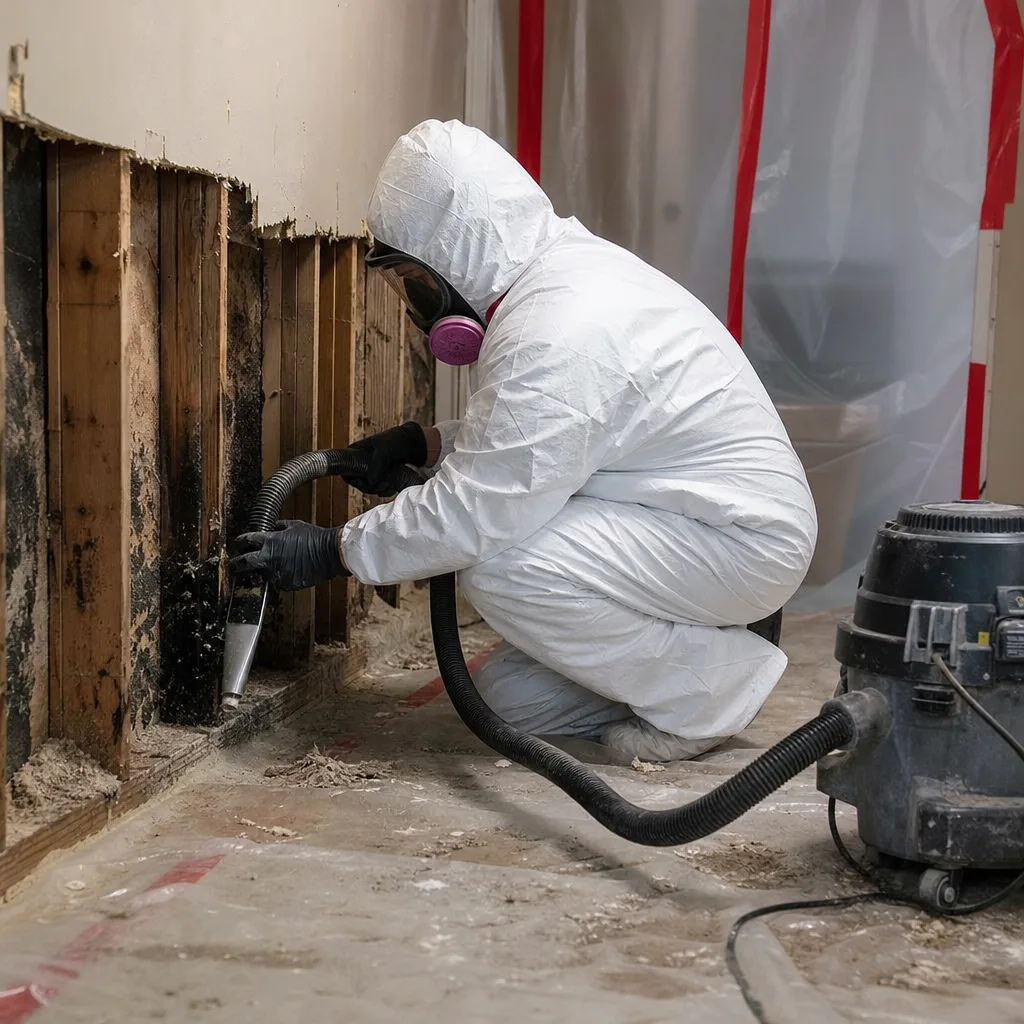
Water damage is the most common precursor, but Encinitas homeowners should recognize early indicators of mold, fire, and storm damage - each with its own measurable thresholds and documentation requirements.
Mold remediation warning signs: Mold requires moisture, organic substrate, and time. The warning signs appear before visible growth. A persistent musty odor indicates active MVOC production, which begins when mold colonies reach approximately 1 square foot of surface area. By the time you smell it, the colony is established. We confirm with air sampling (spore counts elevated above outdoor baseline by 10x or more) and ERMI/HERSTMI-2 dust analysis for historical mold burden. Surface sampling is less useful: a negative swab does not rule out hidden colonization. In Encinitas, we find significant hidden mold in three predictable locations: behind failed tile shower waterproofing (particularly in 1980s-1990s construction), in crawl spaces with inadequate vapor barriers and perimeter drainage, and in attic spaces where bathroom vents terminate in the attic rather than through the roof. For professional assessment, see our Mold Remediation in Encinitas services.
Fire and smoke damage precursors: Fire damage is rarely subtle, but smoke damage accumulates invisibly. Warning signs include: persistent “hot” electrical odors from outlets or switches (indicating resistance heating from loose connections), discoloration of outlet covers or switch plates (thermal damage to the plastic), and soot accumulation on walls above baseboard heaters or candles. These indicate pyrolysis - thermal decomposition of materials before visible flame. We document with thermal imaging of electrical panels and infrared thermography of wall cavities. Any electrical odor warrants immediate electrician consultation; smoke damage restoration follows if fire has been prevented. For homes that have experienced fire, our Fire & Smoke Damage Restoration in Encinitas page details our documentation-first approach.
Storm and wind damage indicators: Encinitas sees concentrated storm damage during winter atmospheric river events and, less frequently, during tropical remnants that track up from Baja. Pre-storm warning signs include: lifted or missing shingle tabs (wind uplift begins at 50 mph sustained, common in December-January storms), granule accumulation in gutters (indicates shingle surface degradation), and separated flashing at roof-wall intersections. Post-storm, inspect attic spaces within 24 hours for wet insulation, stained sheathing, or daylight visible through the roof assembly. Document with dated photographs before temporary tarping; insurance adjusters need to see the damage as-found. Water intrusion from storm damage is time-critical: mold colonization begins in 48-72 hours, and waiting for insurance approval before mitigation often results in secondary damage that carriers dispute.
Common Mistakes to Avoid
- Trusting consumer-grade moisture meters for definitive readings. The $40 pinless meters sold at hardware stores are useful for trend monitoring but lack calibration traceability and depth discrimination. A reading of “30” on the reference scale tells you the surface is wetter than “20”; it does not tell you whether your drywall is at 2% or 4% MC. Use them for flagging, not for final decisions on demolition scope.
- Attributing all coastal moisture to “the humidity.” Encinitas averages 65-75% RH outdoors; conditioned homes should maintain 40-55% indoors. If your indoor RH is consistently above 60%, you have a moisture source, not a climate problem. The source may be inadequate dehumidification, but it may also be a 2-gallon-per-day leak in a wall cavity. Measure, don’t assume.
- Repainting over stains without addressing substrate moisture. Kilz and similar stain-blocking primers hide the indicator, not the condition. We regularly find drywall at 8-12% MC behind “repaired” stains, with mold established in the cavity and progressing toward the opposite wall. The stain was information; painting over it was information destruction.
- Delaying documentation until “it gets worse.” Insurance policies require prompt notice of loss and duty to mitigate. A homeowner who photographs a small stain, monitors for two weeks as it grows, then calls for help has documented their own failure to mitigate. Photograph at first sign, call for assessment if it progresses, and let professionals determine the timeline.
- Using bleach on mold. Bleach (sodium hypochlorite) is 90-95% water. It bleaches the color from mold colonies without killing the hyphae embedded in porous materials. The water load then feeds deeper growth. For small, surface-only mold on non-porous materials, detergent and physical removal are more effective. For anything larger than 10 square feet or involving HVAC systems, professional remediation per IICRC S520 is indicated.
- Ignoring seasonal patterns. In Encinitas, moisture problems often peak in late winter (January-March) when rainfall intersects with cooler temperatures that slow evaporation, and again in early summer (June) when irrigation season begins before marine layer moisture has cleared. Track your readings seasonally; a “normal” summer reading may be dangerously elevated by winter standards.
- Assuming new construction is dry. New homes in Encinitas, particularly those with concrete slab foundations poured during wet weather, often contain construction moisture that takes 6-18 months to equilibrate. Flooring installed too early traps this moisture and creates chronic problems. We test new construction slabs with calcium chloride at 60 days post-pour and again before flooring installation; readings above 3.5 lbs delay installation.
When to Call a Professional
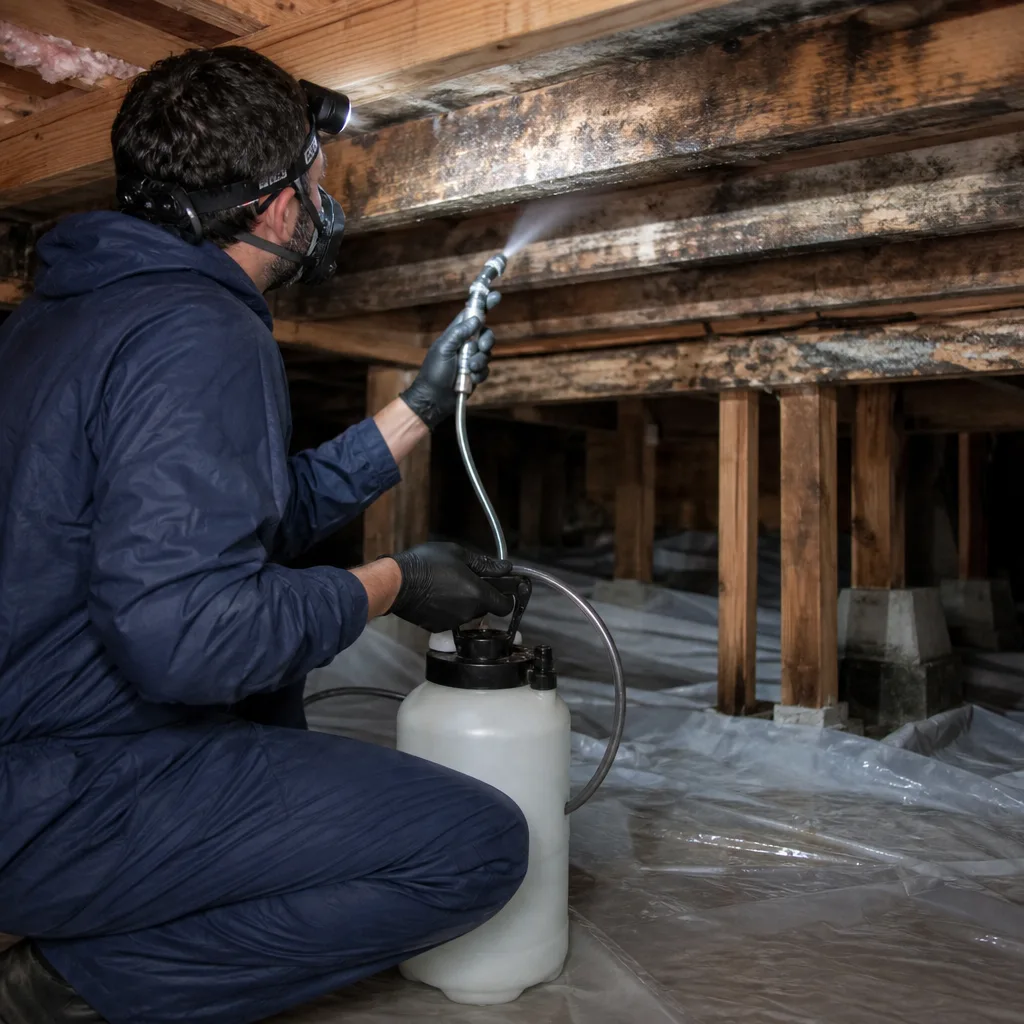
Call for immediate professional assessment when: moisture readings are rising and the source is unknown; any structural wood reads above 17% MC; mold is visible or a musty odor persists after source correction; electrical symptoms accompany moisture signs; or you need documentation for an insurance claim and want it done correctly the first time. Learn how to hire a damage restoration contractor in Encinitas with our step-by-step guide. Speed matters for active water intrusion - mold colonization begins in 48-72 hours, and structural damage accelerates once wood exceeds 20% MC. For reconstruction and rebuild work, we schedule and scope in writing like any professional construction project; same-day service applies to mitigation only.
DryMark Restoration Encinitas offers free estimates in Encinitas - call (760) 454-2594. Every assessment includes moisture mapping, thermal imaging, and a written scope with photo documentation before any work begins, per Haven Standard, Clause 1. Our 365-Day Done Right Promise applies to every job we accept.
Frequently Asked Questions
There is no single number; trend and material matter more than absolute value. A wood framing reading of 17% that appeared in two days and is rising demands faster response than a 19% reading that has been stable for six months and is declining. That said, any structural wood above 20% MC, drywall above 3%, or concrete slab MVER above 5 lbs warrants professional assessment in Encinitas conditions. Call (760) 454-2594 for a free estimate with moisture mapping.
Marine layer condensation appears only on exterior surfaces, only overnight, and only from May through October in Encinitas. It dissipates by mid-morning on clear days. A pinless moisture meter shows high surface readings that drop to normal within 1/4 inch depth. Active leaks produce elevated readings at depth, persist through the day, and often show thermal signatures on infrared cameras. If you’re uncertain, document with timed photographs and call for assessment.
Coverage depends on the cause and your documentation. Sudden and accidental damage - a pipe burst, appliance failure, storm intrusion - is typically covered. Long-term gradual damage - a slow leak over months, inadequate maintenance - is often excluded. Your warning sign documentation establishes the timeline: dated photographs, moisture readings, and notes on when you discovered the issue and what you did. The more precise your documentation, the stronger your claim. DryMark Restoration Encinitas coordinates directly with adjusters and provides the photo-documented assessments carriers require.
Our emergency line, (760) 454-2594, is answered live 24 hours a day, 7 days a week - no voicemail, no next-business-day callbacks while water is still moving. For active water intrusion in Encinitas, we aim to assess within hours, not days. Reconstruction and non-emergency work is scheduled and scoped in writing, typically within 24-48 hours of request.
Household fans move air but do not control humidity or temperature, which are the two variables that determine drying rate. Professional drying uses refrigerant or desiccant dehumidifiers to extract moisture from air, air movers to deliver that dry air to wet materials, and thermal energy to accelerate vapor pressure differential - the force that drives moisture from materials to air. In Encinitas’s moderate climate, unassisted drying of a wet wall cavity can take 3-4 weeks; professional equipment reduces this to 3-5 days, preventing mold colonization. We deploy Injectidry systems for wall cavity drying and document daily moisture logs to IICRC standards.
During Encinitas’s driest months (September-November), use a pinless moisture meter on building materials scale to read drywall in multiple rooms, wood framing in accessible attic or crawl space areas, and concrete slab in garage or utility areas. Record location, date, time, meter model, and reading. Repeat quarterly with the same protocol. Your baseline is your reference; a 3-point rise from baseline on any material triggers investigation. For professional baseline documentation with calibrated equipment, request our assessment service.
The Bottom Line
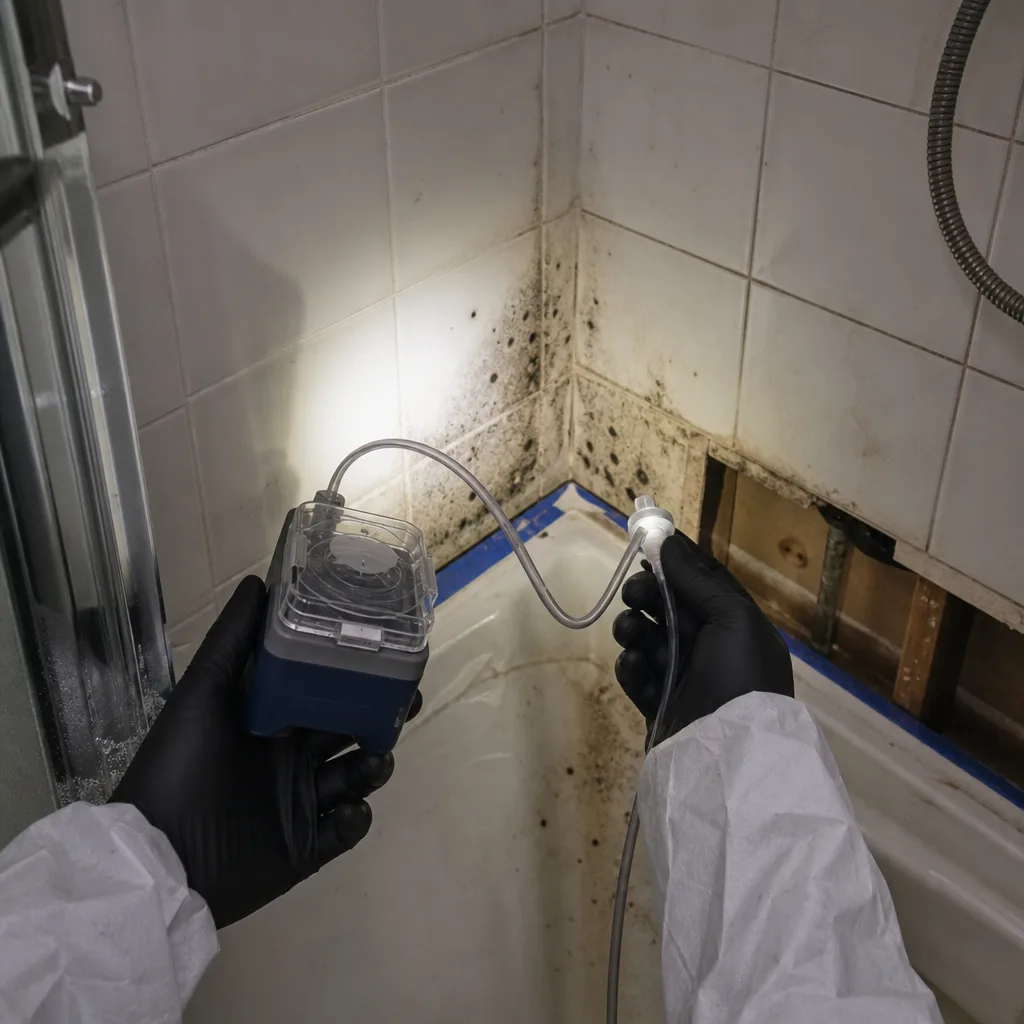
Water damage in Encinitas homes announces itself through measurable precursors long before visible failure. The homeowners who avoid five-figure restoration bills are those who know their materials’ normal moisture ranges, recognize when readings depart from baseline, and document both in a format that supports insurance claims if professional intervention becomes necessary. Marine layer condensation creates false positives that waste money if misread, and hidden moisture creates false negatives that waste homes if ignored. The tools are simple: a calibrated moisture meter, a thermal camera or professional assessment, disciplined documentation, and the decision rule that rising readings on structural materials always warrant professional evaluation. Establish your baselines this dry season, and you’ll read your home’s warning signs with the precision that prevents emergencies. Explore more guides & resources on protecting your Encinitas home.
Written by Alicia Brennan, Owner at DryMark Restoration Encinitas, serving Encinitas since 2011.