
Last updated September 23, 2026
Free visual inspection and a written scope of work before any mitigation begins - photos, moisture readings, and drying logs go in your claim file
The scope we write is the scope we bill. Anything new gets shown to you, in writing, before we touch it.
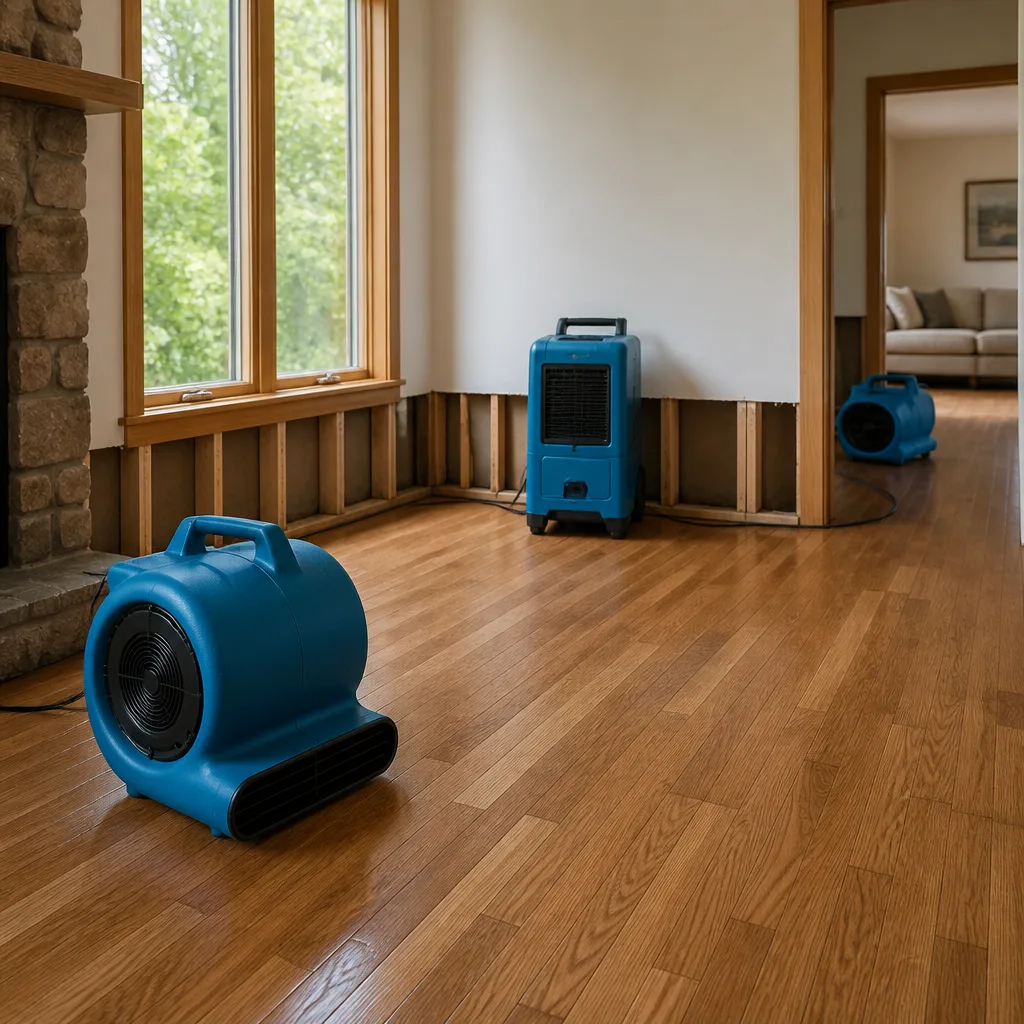

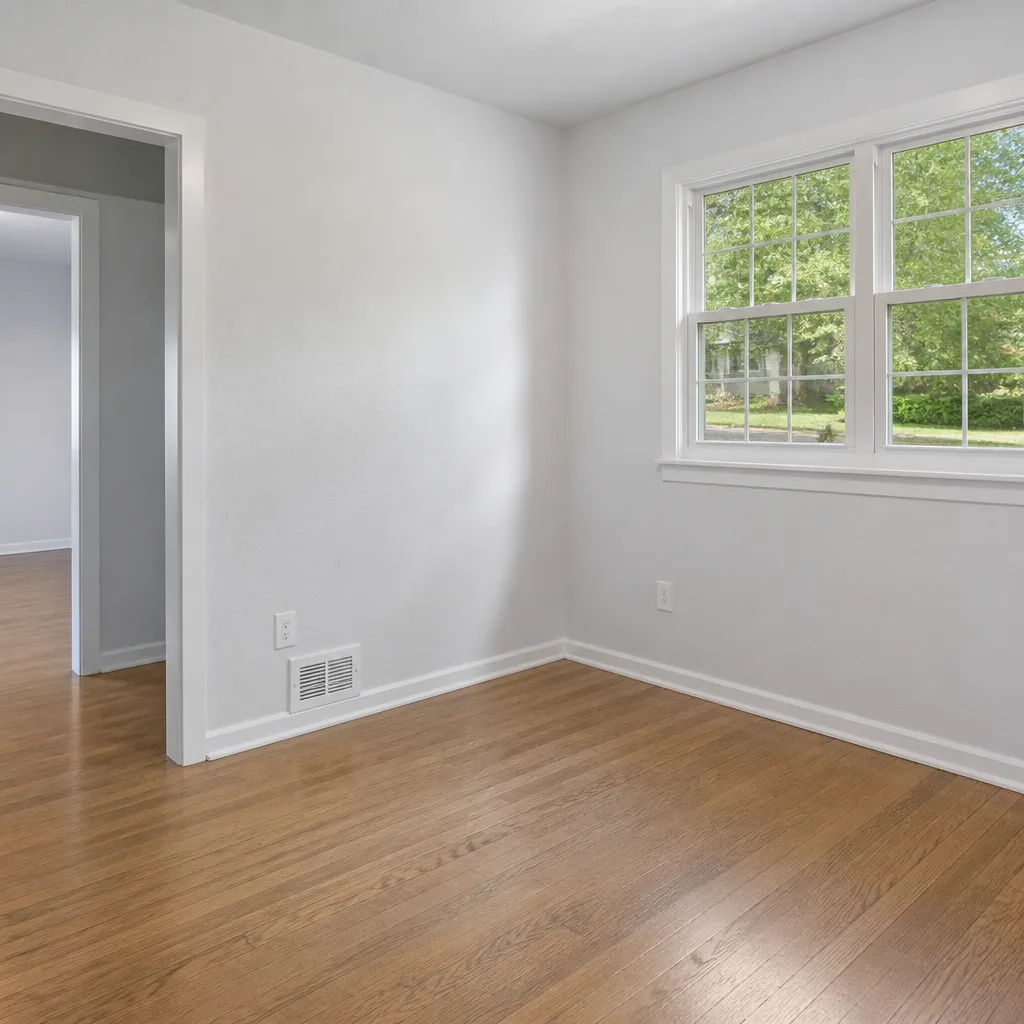

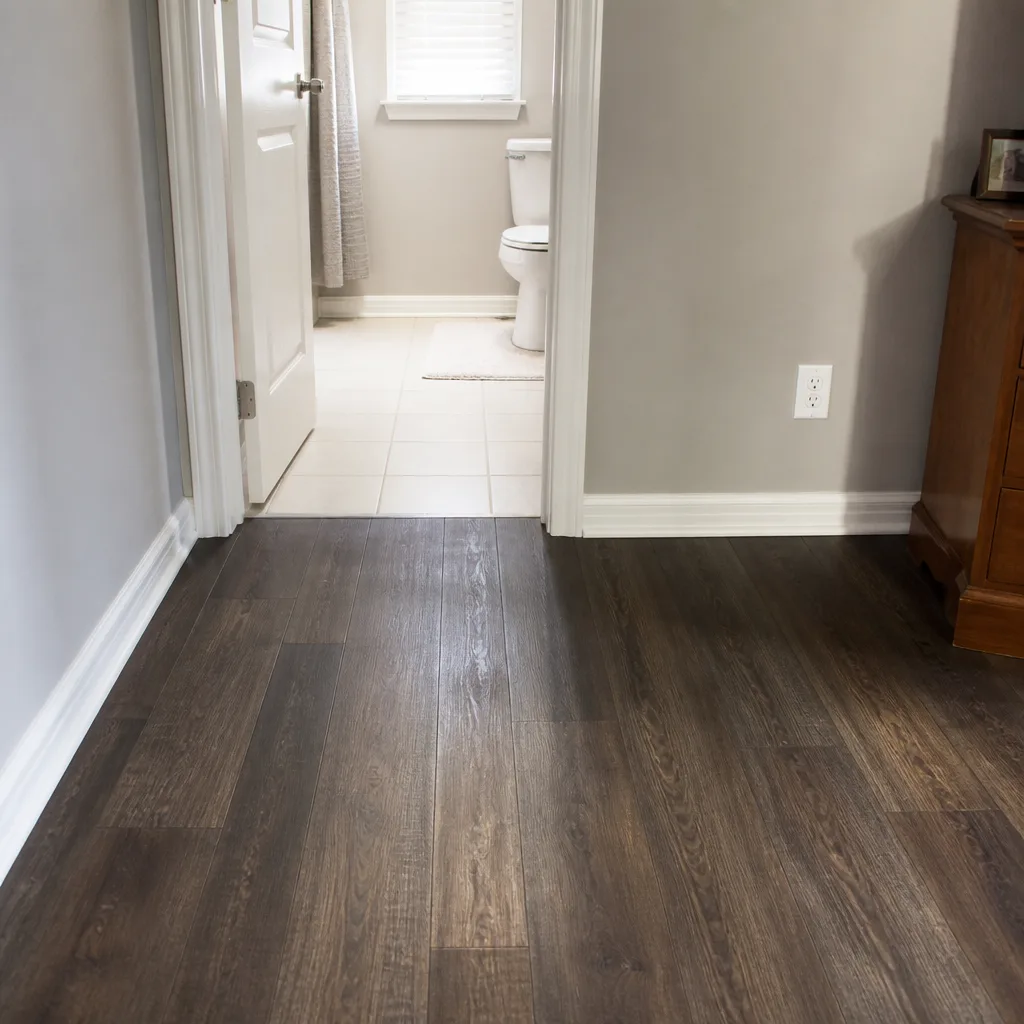

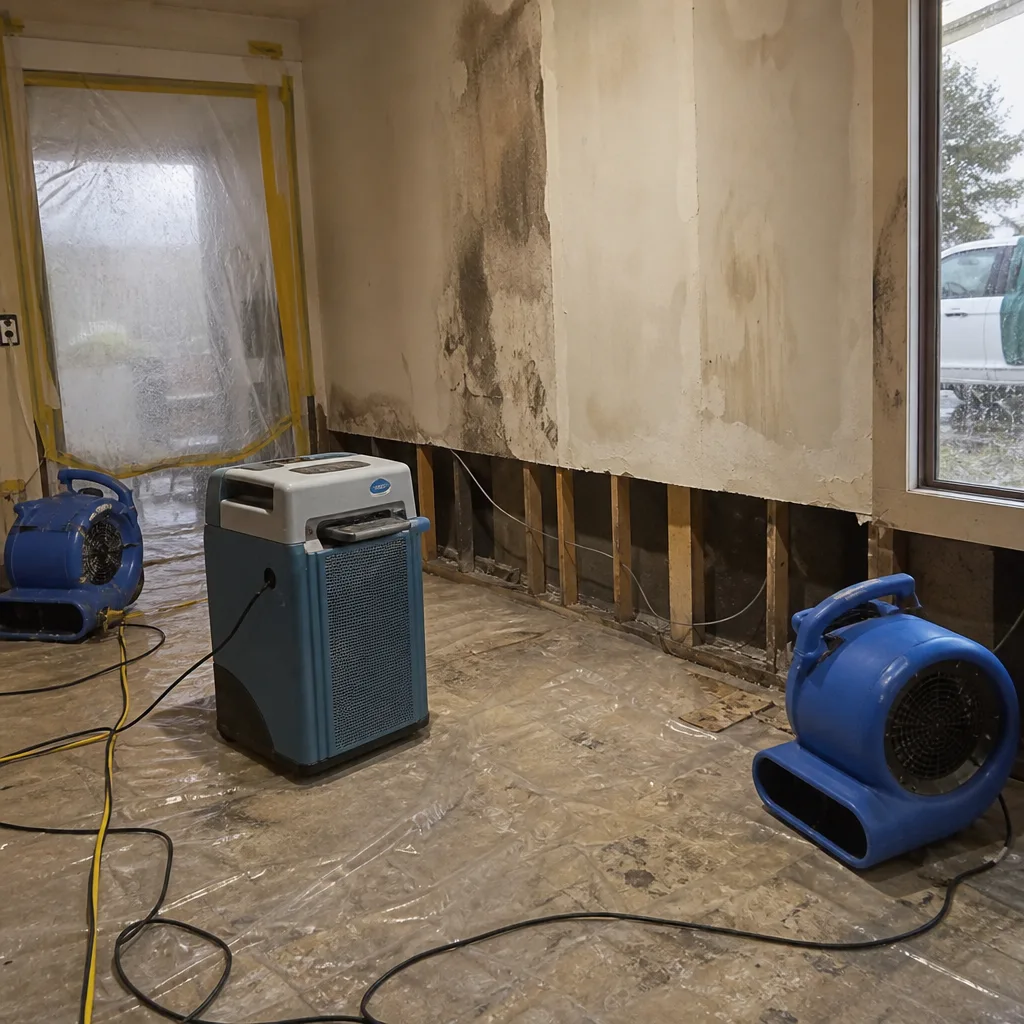 Before
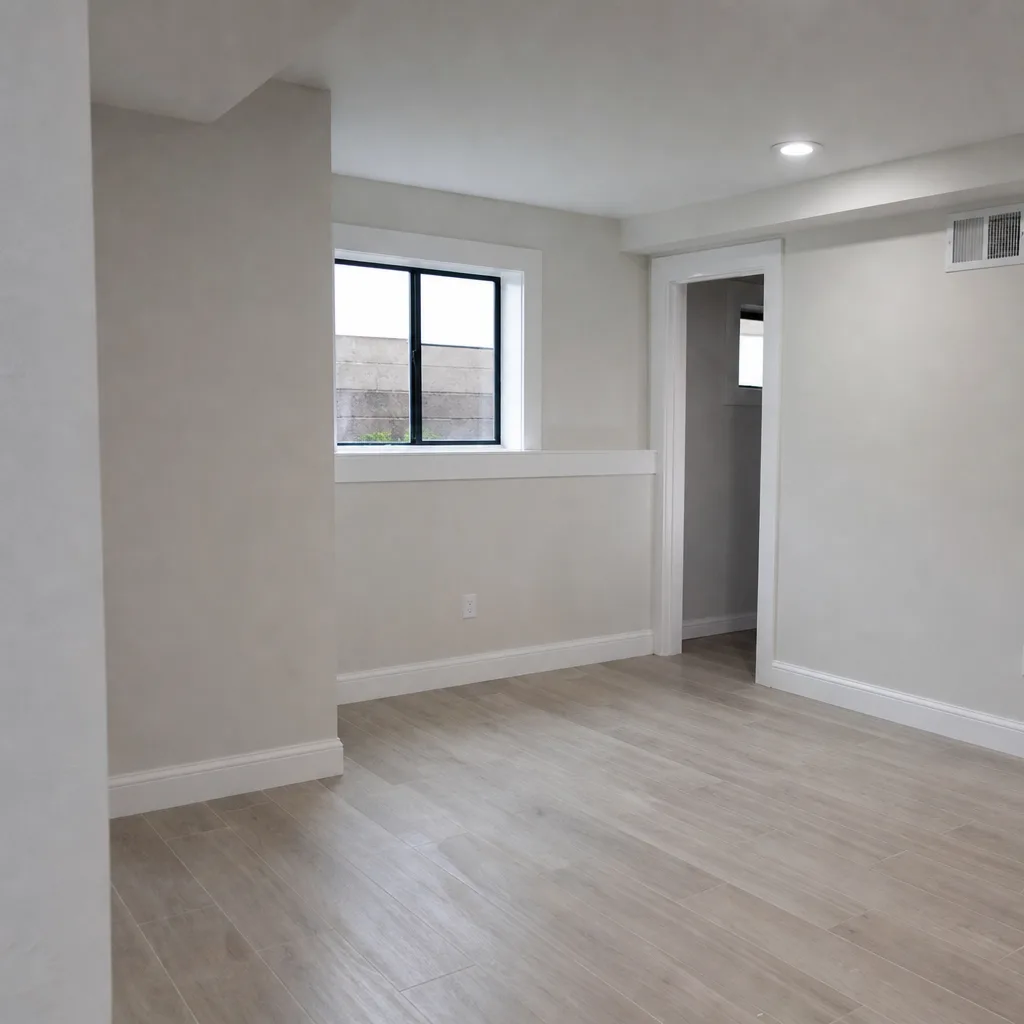 After
After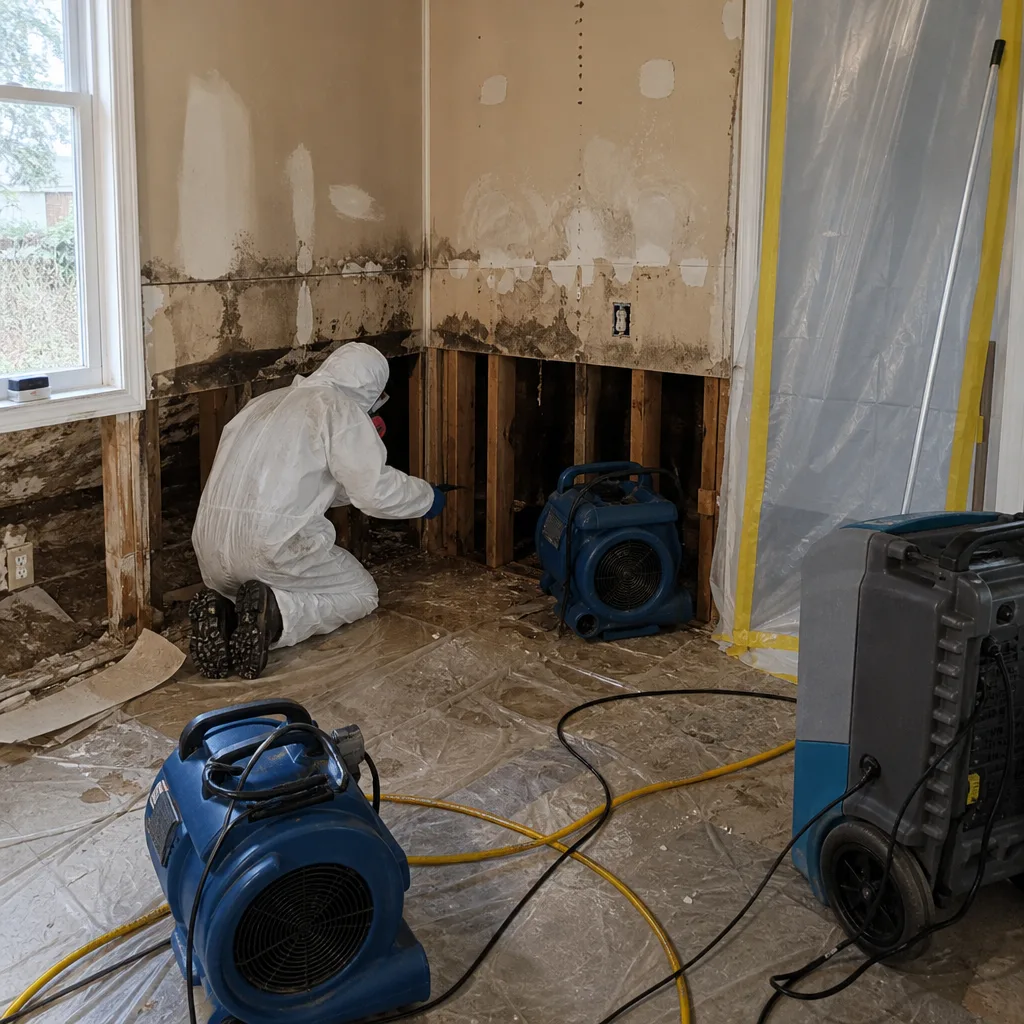 Before
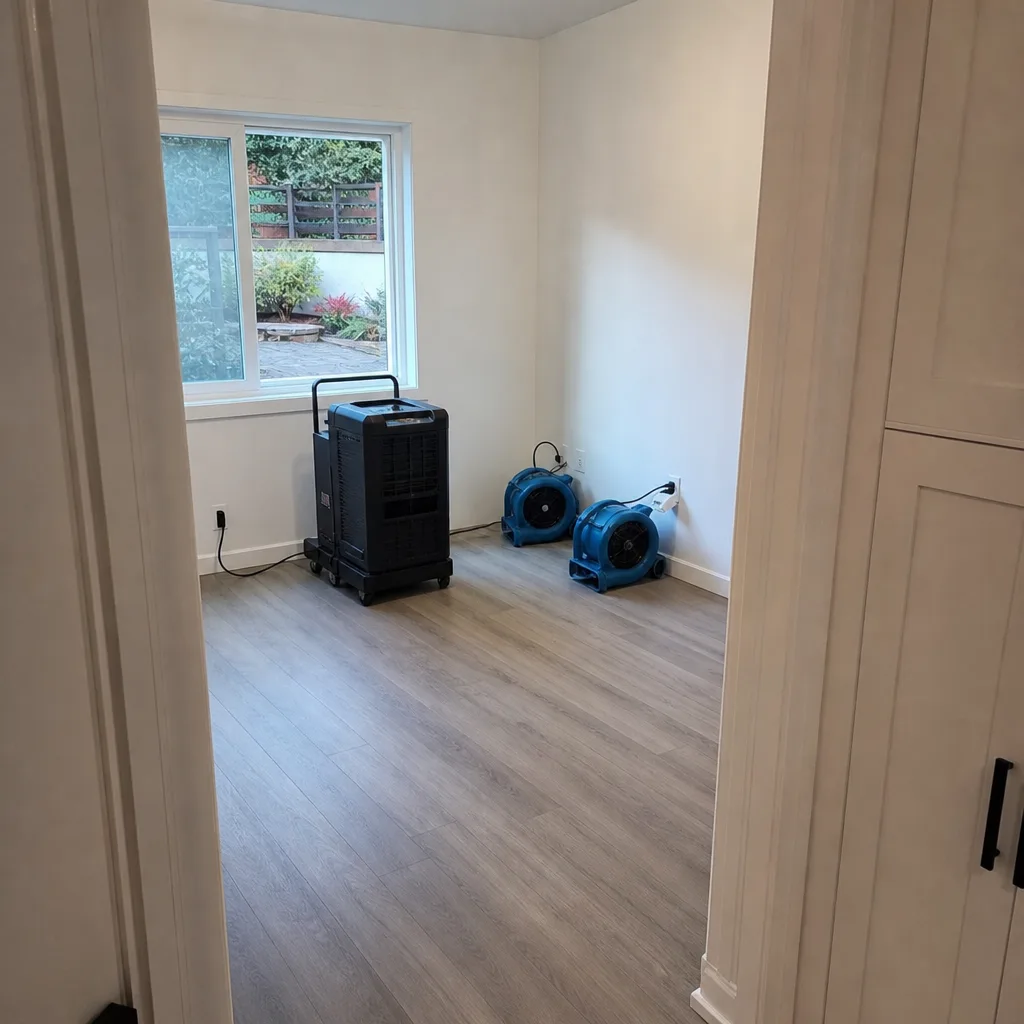 After
AfterWater Damage Restoration Maintenance Checklist for Encinitas Homeowners
The average Encinitas slab leak runs 24-72 hours before a homeowner notices it - but a $35 moisture meter clipped to the baseboards would have flagged it on day one. In our work across Encinitas since 2011, we’ve documented thousands of water damage claims through our Water Damage Restoration services, and the pattern is consistent: the homeowners who recover fastest aren’t the ones who inspect everything. They’re the ones who know which six measurable indicators to track, and they track them before a single wall gets wet. This guide shows you exactly what to measure, when to measure it, and what the numbers mean.
Quick Answer
Encinitas homeowners can prevent most water damage by tracking six measurable indicators annually: baseline moisture readings by room, water shut-off valve function, stucco-to-foundation seam integrity, appliance connection condition, roof and flashing status, and documentation of all installations and repairs. The marine layer season (May-October) and November-March storm window create distinct risk periods that require different maintenance timing.
Table of Contents
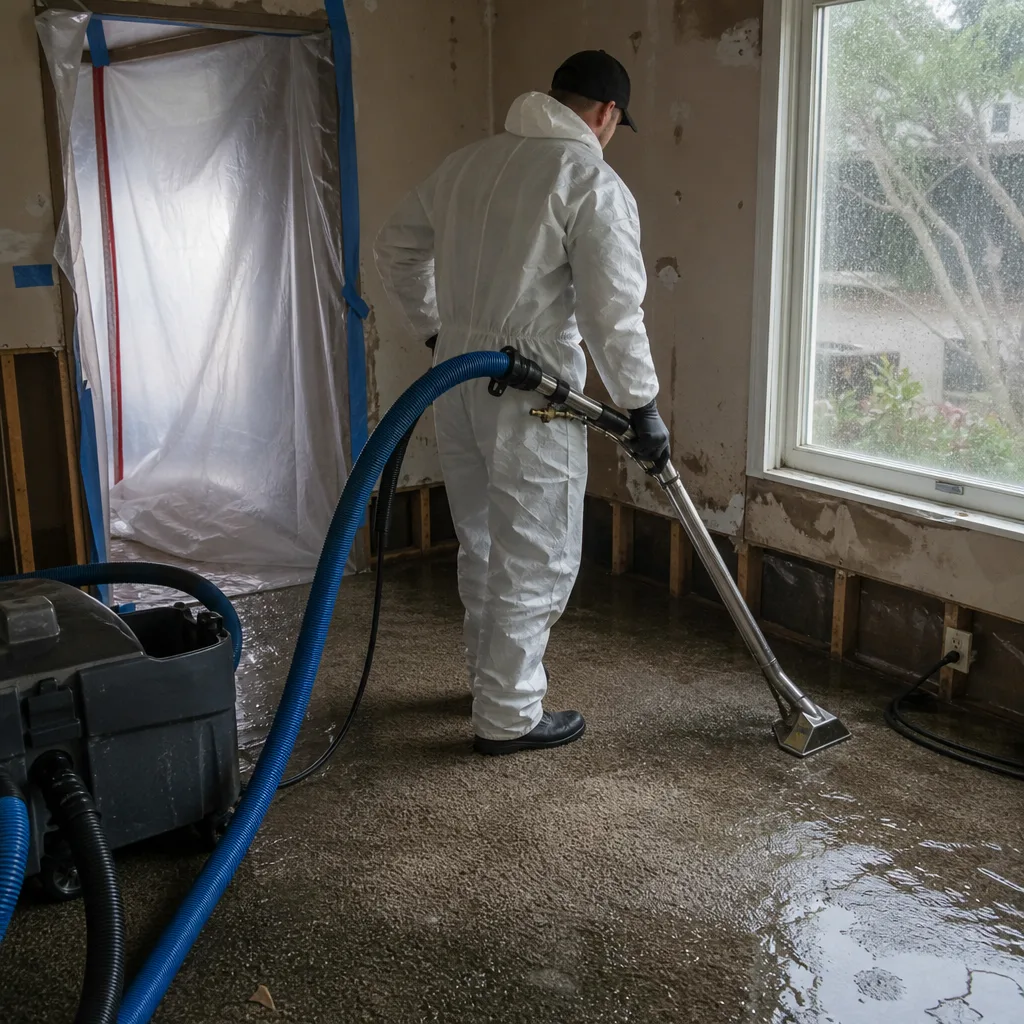
- Baseline Moisture Readings: Your Annual Reference Points
- The Encinitas Maintenance Calendar: Marine Layer, Santa Anas, and Storm Season
- Stucco-to-Foundation Seam and Tile-to-Pan Transitions
- Water Shut-Off Location and Function Test
- Appliance Connections and Water Heater Documentation
- Roof, Flashing, and Drainage Inspection Points
- Documentation Habits That Make Claims Payable
- Common Mistakes to Avoid
- When to Call a Professional
- Frequently Asked Questions
 Before
 After
AfterBaseline Moisture Readings: Your Annual Reference Points
Every material in your Encinitas home has a normal moisture content range. Without knowing yours, you can’t recognize abnormal. We use professional-grade meters from Dri-Eaz and Phoenix on every job, but a homeowner-grade pinless moisture meter ($35-$60 at any Encinitas hardware store) is sufficient for annual baseline tracking.
Here’s what to record, room by room, on the same weekend each year - we recommend late September, after the marine layer season and before the storm window opens:
| Material | Normal Range | Warning Threshold | Action Required |
|---|---|---|---|
| Drywall (interior, conditioned space) | 7-10% | Above 12% | Investigate source; recheck in 48 hours |
| Wood framing (studs, base plates) | 9-14% | Above 16% | Trace moisture path; inspect adjacent areas |
| Concrete slab (garage, patio) | 75-85% RH | Above 90% RH | Check perimeter drainage; test for slab leak |
| Tile grout (bathroom, kitchen) | 5-8% | Above 10% | Inspect pan/liner; check caulking integrity |
| Subfloor (crawl space access) | 12-16% | Above 20% | Address ventilation; inspect for plumbing leaks |
Record these numbers in a spreadsheet with the date and specific location (“master bedroom, north wall, 6 inches from floor”). When we arrive at an Encinitas water damage call, the homeowners who have this data save 2-3 hours of diagnostic time. For context on what happens next, see The Complete Guide to Damage Restoration in Encinitas. More importantly, they can prove to their adjuster that the damage was sudden and accidental, not long-term neglect.
The threshold numbers matter because materials behave differently in Encinitas’s coastal climate. The persistent marine layer keeps baseline moisture 2-3% higher than inland San Diego County. A reading that would be normal in Escondido can signal trouble in Leucadia. Your baseline accounts for this.
Take readings at the same height each year: 6 inches above floor level on walls, at the center of slab areas, and at multiple points in bathrooms. Photograph the meter display with your phone - the date stamp becomes evidence if you ever need it.
The Encinitas Maintenance Calendar: Marine Layer, Santa Anas, and Storm Season
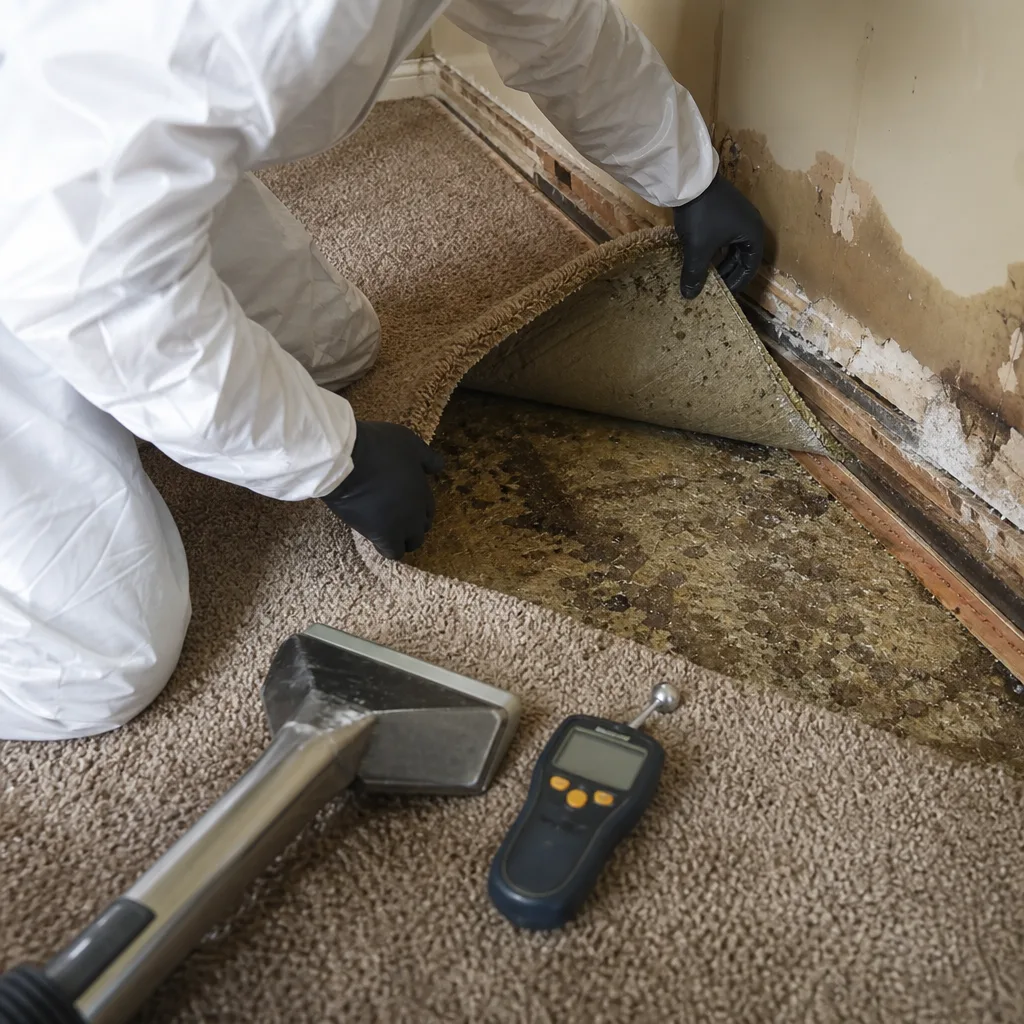
Encinitas has three distinct moisture regimes, and your maintenance should match them.
May through October: Marine Layer Season
The coastal fog that rolls in overnight and burns off by mid-morning deposits measurable moisture on exterior surfaces. Stucco absorbs this, wooden trim swells slightly, and crawl spaces without adequate vapor barriers see relative humidity climb. This is when slow leaks hide - the ambient moisture masks early detection.
- Run bathroom and kitchen exhaust fans 20 minutes after every shower or cooking session
- Check crawl space vents monthly for obstruction; confirm cross-ventilation is functioning
- Inspect exterior caulking at windows and doors - the expansion-contraction cycle accelerates failure
- Test sump pump if present (rare in Encinitas, but critical where installed)
October through November: Santa Ana Transition
The hot, dry winds create rapid moisture withdrawal from materials. Wood shrinks, caulking cracks, and previously swollen seals reveal gaps. This is when latent damage becomes visible.
- Walk the exterior after the first Santa Ana event; note new cracks in stucco or separation at seams
- Check attic for dust infiltration - it indicates new gaps in roofing or flashing
- Re-caulk any separation points before the storm window opens
November through March: Storm Window
Rainfall concentrates in these months. The 2023 storms demonstrated what happens when saturated soil meets aging perimeter drains - slab leaks and foundation seepage spike.
- Clear gutters and downspouts before Thanksgiving
- Verify downspout discharge is 6+ feet from foundation; extend if necessary
- Inspect French drains and area drains for flow capacity during first significant rain
- Check garage door seal and threshold - wind-driven rain exploits gaps
In Cardiff-by-the-Sea and along the 101 corridor, we’ve seen marine layer moisture penetrate stucco that appeared sound. In Olivenhain and the eastern hills, Santa Ana-driven wildfire risk adds the complication of ember intrusion through the same gaps that admit water. The calendar isn’t identical across Encinitas - adjust for your microclimate.
Stucco-to-Foundation Seam and Tile-to-Pan Transitions
These two failure points generate more hidden water damage claims in Encinitas than any other single source. Both are invisible in daily life and expensive to repair once saturated.
The Stucco-to-Foundation Seam
Encinitas homes built between 1970 and 2005 commonly have stucco that terminates at or below grade level. The weep screed - the metal flashing that should separate stucco from foundation - is often buried by landscaping, concrete flatwork, or soil accumulation. When this happens, wicking draws groundwater into the wall cavity.
- Locate the weep screed: it should be visible as a thin metal strip at the base of the stucco, with small holes facing downward
- Verify 2 inches of clearance between weep screed and soil or hardscape
- Probe gently with a screwdriver - soft stucco at the base indicates moisture intrusion
- Check for efflorescence (white powdery deposits) on the foundation surface below the screed
- Photograph condition annually; compare year-over-year
We’ve replaced wall cavities in Encinitas homes where the stucco looked perfect from the outside and the interior drywall showed no visible stain - but moisture readings hit 34% in the insulation. The homeowner only discovered it when mold odor developed. A $15 moisture meter and 10 minutes of annual inspection would have caught it at 12%.
Tile-to-Pan Transitions in Showers
The shower pan liner is a waterproof membrane beneath the tile. In Encinitas’s hard water environment, grout degrades faster than inland areas - mineral deposits accelerate surface erosion. Once grout cracks, water bypasses the tile and reaches the pan. If the pan has any flaw (puncture, improper slope, failed seal at the drain), water enters the subfloor.
- Inspect grout lines annually for cracking, crumbling, or missing material
- Test pan integrity: plug the drain, fill with 1 inch of water, mark level, wait 8 hours
- Any water level drop indicates pan failure - this is not a DIY repair
- Check caulk at wall-to-tile and floor-to-tile junctions; replace if separating
- Sniff for musty odor after shower use; investigate immediately if present
The threshold for action: if your moisture meter reads above 10% at the base of an adjacent wall, or if the pan test shows any loss, call for assessment. Delay converts a $400 re-grout into a $4,000 gut renovation.
Water Shut-Off Location and Function Test
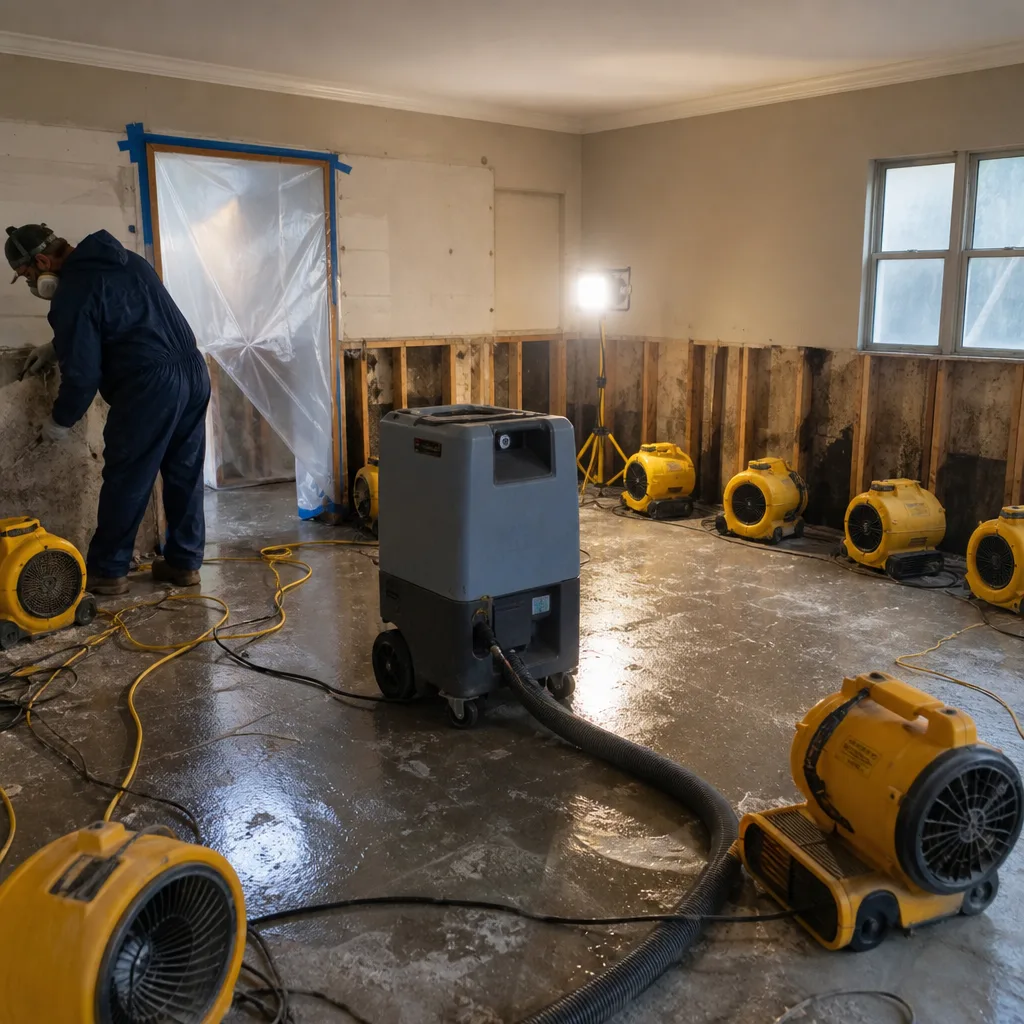
This is the single maintenance item that measurably limits damage scope when a pipe fails. We’ve arrived at Encinitas calls where 40 gallons had flooded the home because no one could locate the shut-off. We’ve also seen homeowners stop a washing machine hose burst at 5 gallons because they tested the valve quarterly and knew exactly where it was.
Locate Every Shut-Off
Your Encinitas home has at least three levels of water control:
- Main shut-off: Usually at the front curb in a meter box, or where the main line enters the house (garage, basement, or exterior wall). In Encinitas’s older beach cottages, it’s sometimes concealed in a closet or under a deck.
- Whole-house valve: After the meter, before the house distribution. Often a ball valve near the water heater or in a garage wall.
- Fixture stops: Individual valves under sinks, behind toilets, at washing machine boxes, and at ice maker lines.
Test Function Quarterly
- Turn the main valve off completely, then open a hose bib to confirm flow stops
- Turn back on slowly - full pressure suddenly can damage fixtures
- Cycle each fixture stop: close, confirm flow stops, reopen
- Replace any valve that doesn’t seat fully or requires excessive force
- Tag each valve with a label; photograph locations for household reference
The quarter-turn ball valve is standard in homes built after 1990. Older Encinitas homes may have gate valves that corrode internally. If your main shut-off is a gate valve, consider upgrading to a ball valve - the positive shut-off is worth the $150-$300 plumber charge. Gate valves fail closed under pressure when you need them most.
Post the shut-off locations on your refrigerator and in your phone. When a pipe fails at 2 AM, you’ll be finding it by flashlight, not by memory.
Appliance Connections and Water Heater Documentation
Appliance water connections have finite lifespans, and Encinitas’s water chemistry accelerates wear. The municipal supply is moderately hard (7-10 grains per gallon), with seasonal variation. Rubber hoses and compression fittings degrade faster than in soft-water regions.
Annual Inspection Protocol
| Appliance | What to Check | Replacement Interval | Warning Signs |
|---|---|---|---|
| Washing machine | Hose condition, connection tightness, drain standpipe height | Braided steel hoses: 5 years; rubber: 3 years | Blisters, cracks, corrosion at fittings, vibration movement |
| Dishwasher | Supply line, drain hose loop, cabinet floor beneath | Supply line: 5 years; drain hose: 10 years | Discoloration in cabinet, soft particle board, musty odor |
| Refrigerator ice maker | Saddle valve or dedicated stop, tubing route, connection at fridge | Copper tubing: inspect only; plastic: 5 years | Kinks, abrasion against framing, condensation on tubing |
| Water heater | TPR valve function, drain valve, anode rod, pan condition | Anode rod: 3-5 years; TPR valve: test annually | Rust in pan, rumbling sediment, temperature inconsistency |
| HVAC condensate line | Flow path, cleanout access, pump function if present | Pump: per manufacturer; line: inspect/clean annually | Water in secondary pan, algae growth, musty air handler odor |
Documentation That Protects Your Claim
Photograph every appliance connection with your phone’s date stamp active. Include the model and serial number visible in frame. Store these in cloud backup, not just on your device.
When you replace a water heater - common in Encinitas homes at 10-12 years - photograph the installer’s invoice, the TPR valve test, and the filled pan. If the tank fails and floods, your adjuster will ask when it was installed and whether maintenance was performed. The photo with date stamp is your documentation.
We’ve handled claims where the insurer denied coverage because the homeowner couldn’t prove the water heater was less than 12 years old. A 30-second photo at installation would have preserved the claim.
Roof, Flashing, and Drainage Inspection Points
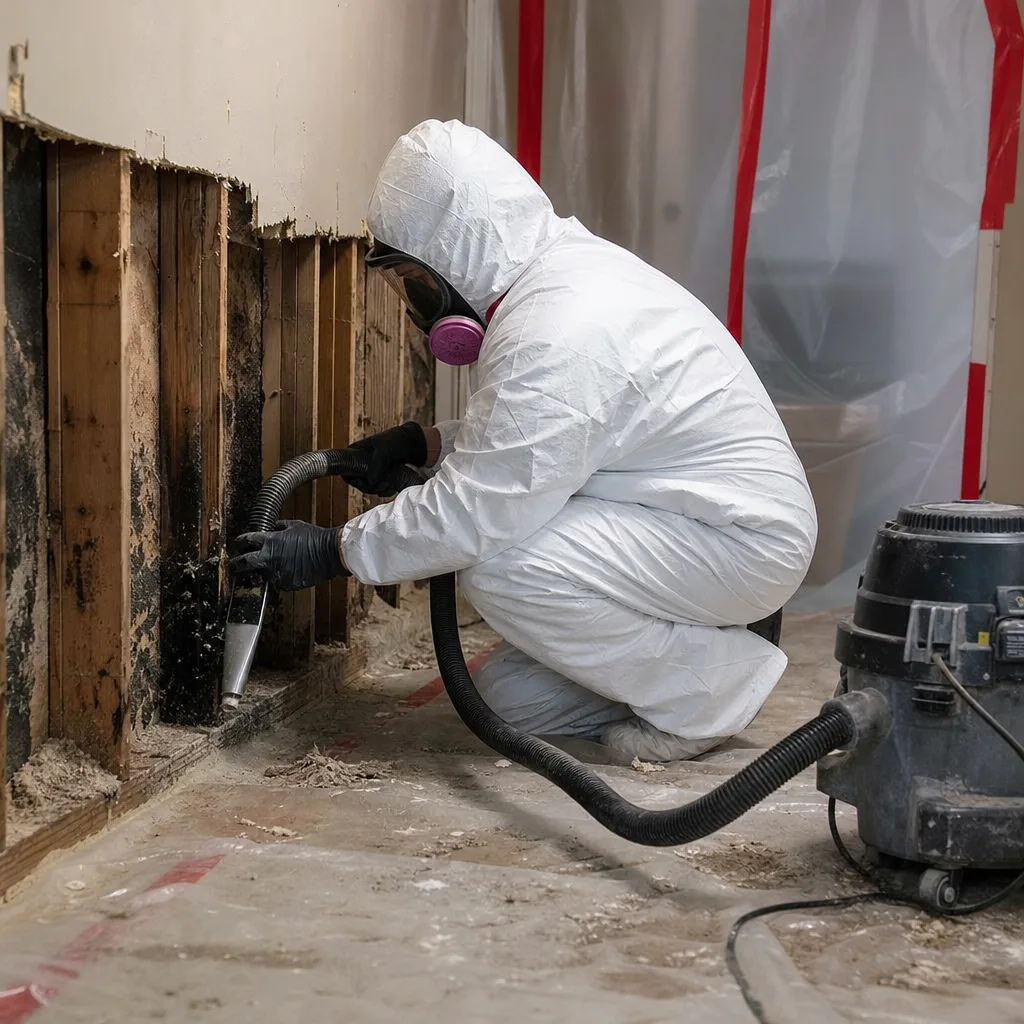
Encinitas receives 10-15 inches of annual rainfall, concentrated in brief, intense events. The roof doesn’t fail from total volume; it fails from water finding one compromised penetration during a 2-inch-per-hour downpour.
Ground-Level Inspection (Safe, No Ladder Required)
- Binoculars from the driveway: check for missing, curled, or damaged shingles; note any granule accumulation in gutters
- Flashlight in the attic during daytime: look for pinpoints of daylight at penetrations - each is a potential leak path
- Inspect ceiling surfaces after first major rain: water stains, paint bubbling, or texture changes indicate active or recent intrusion
Professional Roof Inspection Every 3 Years
The items below require ladder work and should be performed by a licensed roofing contractor or qualified inspector:
- Flashing at chimney, vent pipes, skylights, and wall intersections
- Valley condition and debris accumulation
- Sealant integrity at all penetrations
- Gutter attachment and slope
- Downspout capacity and discharge location
In Encinitas’s coastal zone, salt air corrodes metal flashing faster than inland standards predict. We’ve seen 5-year-old copper flashing with pinholes in Leucadia, where the same material lasts 15 years in Rancho Bernardo. Adjust inspection frequency if you’re within a mile of the coast.
The drainage system is part of the roof assembly. Verify that downspouts discharge onto splash blocks or into drains that carry water away from the foundation. In the 2023 storms, we documented multiple Encinitas homes where overwhelmed perimeter drains caused hydrostatic pressure that forced water through slab joints. The roof was fine; the drainage failed.
Documentation Habits That Make Claims Payable
This is where DryMark Restoration Encinitas home differs from competitors who focus on response speed alone. We’ve been on both sides of the claims process - our founder built this company after working as an adjuster and seeing how documentation gaps cost homeowners their coverage. The maintenance you perform is only valuable if you can prove you performed it.
The Annual Home Photo Record
Each September, before the storm window:
- Photograph every appliance connection with date stamp, model/serial visible
- Photograph water heater label, TPR valve, and pan condition
- Photograph stucco-to-foundation seam at all four corners of the house
- Photograph roof from ground level, plus any visible attic penetrations
- Photograph moisture meter readings at your baseline locations
- Store in dated cloud folder; email yourself a backup
The Repair and Installation File
Every invoice for plumbing, roofing, or appliance work gets scanned and stored with:
- Contractor name and license number
- Scope of work in detail
- Materials used (pipe type, flashing material, etc.)
- Warranty terms and duration
When a claim arises, the adjuster’s first question is often whether the damage resulted from maintenance neglect or sudden failure. Your file answers before they ask. We’ve seen claims approved in 48 hours because the homeowner produced a dated photo showing the water heater was 6 years old and professionally installed, versus denied after weeks because the homeowner had no documentation.
The Water Damage Restoration in Encinitas process we follow includes photo documentation on every visit as a standard deliverable, not an upsell. We apply the same standard to our own work that we recommend for your maintenance.
Common Mistakes to Avoid
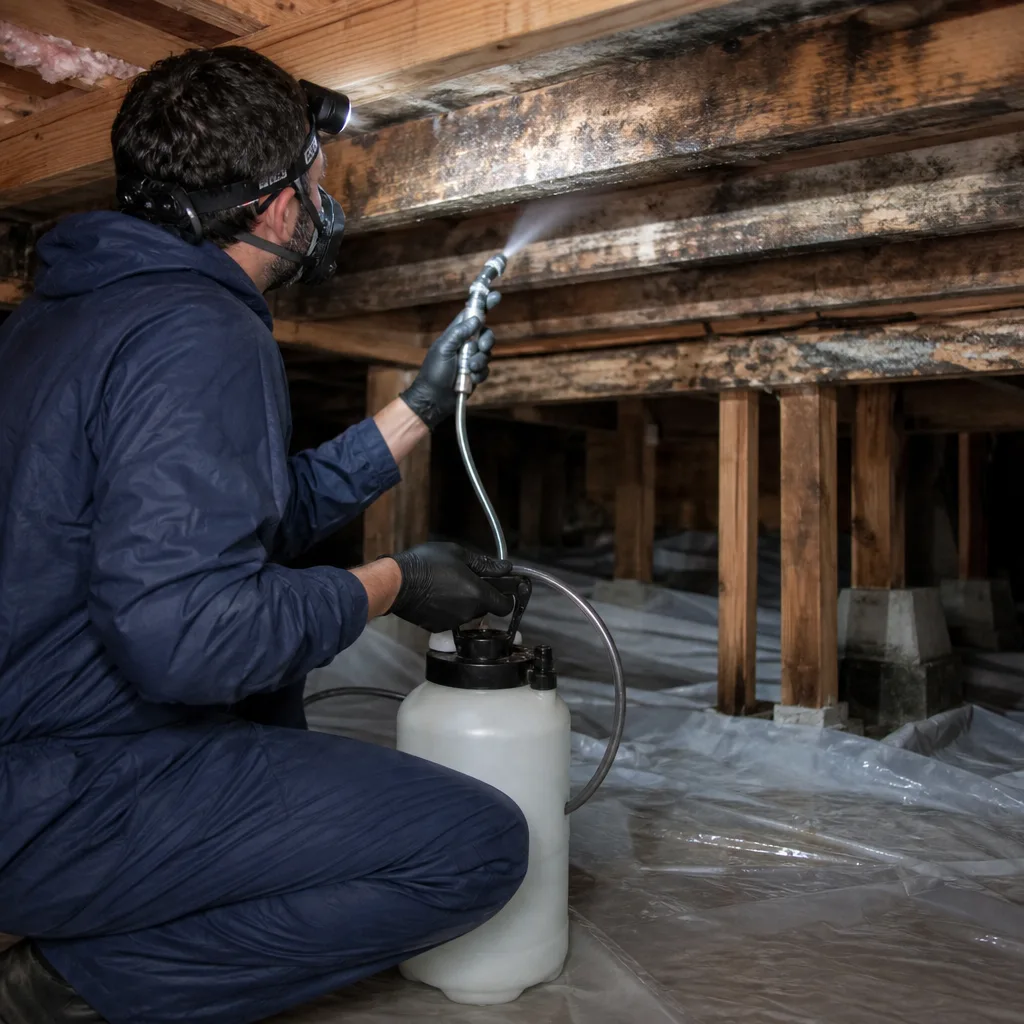
- Assuming new construction is maintenance-free. Encinitas homes built 2015-2022 have some of the highest leak rates we’ve seen, often from PEX installation errors or stucco application in wet conditions. Age doesn’t predict failure; installation quality does.
- Checking only visible areas. The leak that destroys your home starts where you don’t look - behind the refrigerator, under the guest bathroom sink you never use, in the crawl space you avoid. Baseline readings force inspection of these zones.
- Ignoring the “small” moisture reading. A 2% increase over baseline isn’t dramatic, but it’s directional. Track the trend. A reading that climbs 2% annually for three years is telling you something is degrading.
- Using the same contractor for inspection and repair without a second opinion. Conflict of interest is real. Our Water Damage Restoration in Encinitas includes free second opinions on any competitor’s written estimate - bring another company’s scope and we’ll review it at no charge.
- Waiting for visible mold before acting. Mold requires 48-72 hours of sustained moisture. By the time you see it, the structural damage is established. Act on moisture readings, not visual confirmation.
- Neglecting documentation because “nothing has happened yet.” The photo you don’t take today is the evidence you can’t produce tomorrow. The 10 minutes of annual documentation saves weeks of claim dispute.
- Confusing air humidity with material moisture. A humid day doesn’t make your drywall wet. But persistent humidity above 60% in a crawl space or bathroom creates conditions where materials don’t dry between wetting events. Measure materials, not just air.
When to Call a Professional
Some indicators require immediate professional assessment, not continued monitoring. Call for help when:
- Moisture readings exceed warning thresholds by more than 3% and the source isn’t obvious
- You detect musty odor in any enclosed space - this indicates active microbial growth
- Your water bill increases unexpectedly without usage change - classic slab leak indicator
- Any pan test shows water loss
- You find soft or discolored drywall, especially at baseboards
- Your main shut-off fails the function test or requires excessive force
DryMark Restoration Encinitas offers free estimates in Encinitas - call (760) 454-2594. Every assessment includes moisture mapping with professional-grade equipment, a written scope of work with pricing before any work begins, and a documented photo record. Our 365-Day Done Right Promise, backed by The Haven Standard, applies to every job we accept.
Frequently Asked Questions
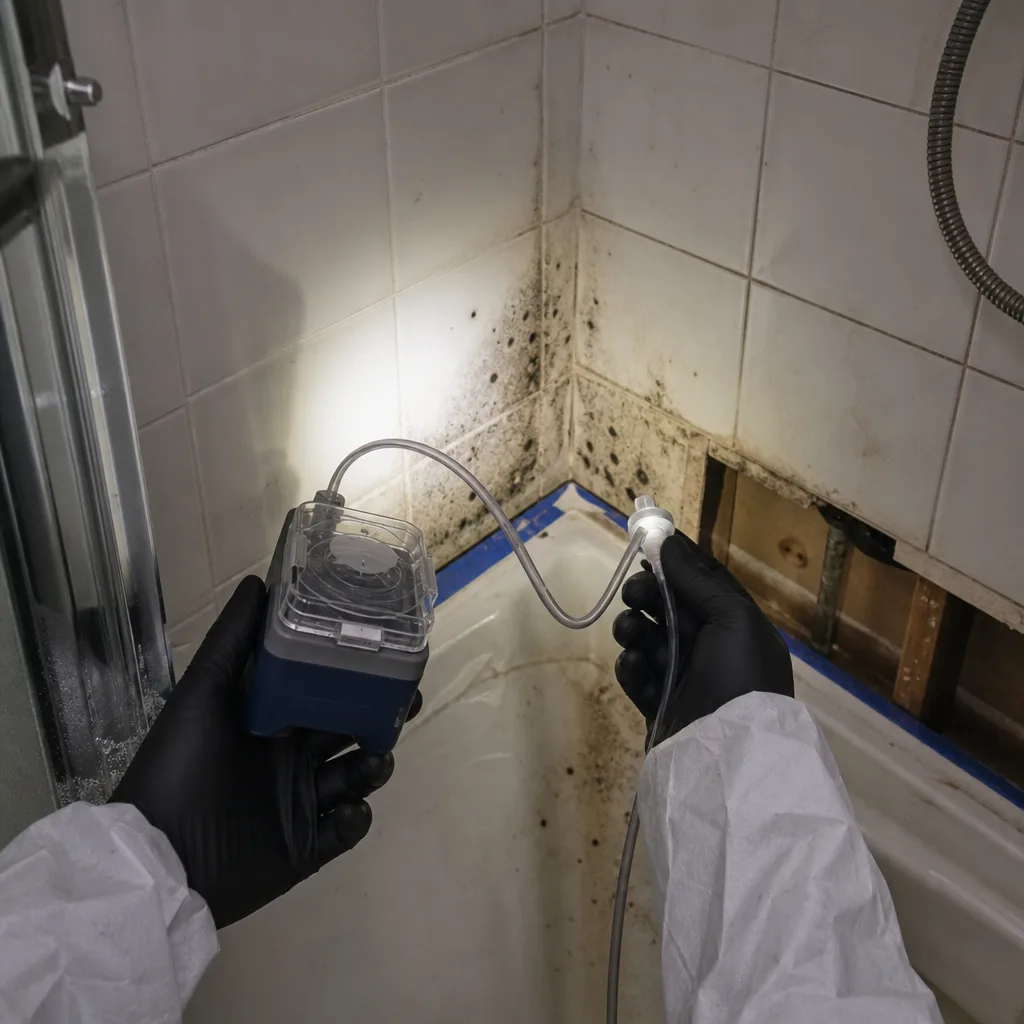
A homeowner-grade pinless moisture meter costs $35-$60 and is available at Home Depot on Encinitas Boulevard, Lowe’s in Carlsbad, or ordered for same-day pickup. Professional-grade pin-type meters run $150-$300 and offer greater accuracy on hardwoods and deep penetration. For annual baseline tracking, the pinless model is sufficient.
Insurance covers sudden and accidental damage, not gradual deterioration from neglect. Your maintenance documentation proves the event was sudden. Without it, the insurer may classify long-hidden damage as maintenance-related and deny the claim. Call (760) 454-2594 for a free assessment if you’re unsure - we document findings to insurance standards.
Water travels horizontally at approximately 1-2 feet per hour through drywall and carpet, and vertically through wall cavities via capillary action. In a typical Encinitas single-story, a slab leak can saturate 500 square feet in 24 hours. The first 48 hours are critical - this is when mold colonization begins and structural materials start to degrade.
Fans and wet-dry vacs address surface water only. Professional drying requires controlled airflow, temperature, and dehumidification to achieve vapor pressure differential - the force that pulls moisture from deep within materials to the surface where it can be removed. Our teams use Dri-Eaz and Phoenix systems documented to IICRC standards, with daily moisture logs that satisfy adjuster requirements. Surface drying that leaves hidden moisture is what creates mold problems six months later.
Water damage restoration removes water and dries structure. Mold Remediation in Encinitas addresses microbial contamination that results from water damage left unresolved for more than 48-72 hours. The same event can require both services sequentially. We assess which applies and scope accordingly, with written pricing before work begins under Haven Standard, Clause 1.
The marine layer deposits 0.01-0.05 inches of equivalent moisture on exterior surfaces nightly during peak season. Over months, this wicks into stucco, swells wood trim, and elevates crawl space humidity. The risk isn’t the nightly deposit - it’s the cumulative effect when combined with any plumbing leak or drainage flaw. Homes within a mile of the coast in Encinitas see 15-20% higher baseline moisture readings than identical homes in San Marcos.
Yes - the same gaps that admit wind-driven rain allow ember intrusion. Fire & Smoke Damage Restoration in Encinitas calls spike during Santa Ana events, often from embers entering through compromised roofing or vents. Your annual roof inspection should include ember-resistant screening verification. The documentation habits we recommend for water apply equally: photograph your screening condition annually.
The Bottom Line
Water damage prevention in Encinitas isn’t about exhaustive inspection lists. For more guides & resources on protecting your home, explore our blog. It’s about six measurable indicators, tracked annually, with documentation that protects your claim if failure occurs. Baseline moisture readings give you reference points. The maintenance calendar aligns your efforts with real local climate patterns. The stucco seam and shower pan inspections target the two highest-risk hidden failure points. Your shut-off valve test is the single action that limits damage scope when everything else fails. And your photo documentation habit converts maintenance effort into insurance currency.
The homeowners who recover fastest from water damage are the ones who measured before, not the ones who reacted after. Start with a $35 moisture meter and one September weekend. The data you collect becomes the evidence that preserves your home and your claim.
Written by Alicia Brennan, Owner at DryMark Restoration Encinitas, serving Encinitas since 2011.